Taylor Swift Songs Disappear From Trump and White House Social Media Posts
Taylor Swift’s music has abruptly disappeared from several social media videos posted by President Donald Trump’s campaign and the White House, adding another chapter to the uneasy relationship between America’s biggest pop star and the president’s political operation.
The removals came after Trump-related accounts repeatedly used Swift’s songs in videos promoting the president and his administration. Some of the posts even tagged the singer or turned her song titles into political messages.
However, there is no confirmed evidence that Swift personally ordered the music to be removed. Neither the White House nor a representative for Swift immediately responded to requests for comment, according to Reuters.
That silence leaves one major question unanswered: Were the songs taken down at Swift’s request, by a music rights holder or through the social media platform’s copyright system?
“August” Vanishes From a Trump Campaign Video
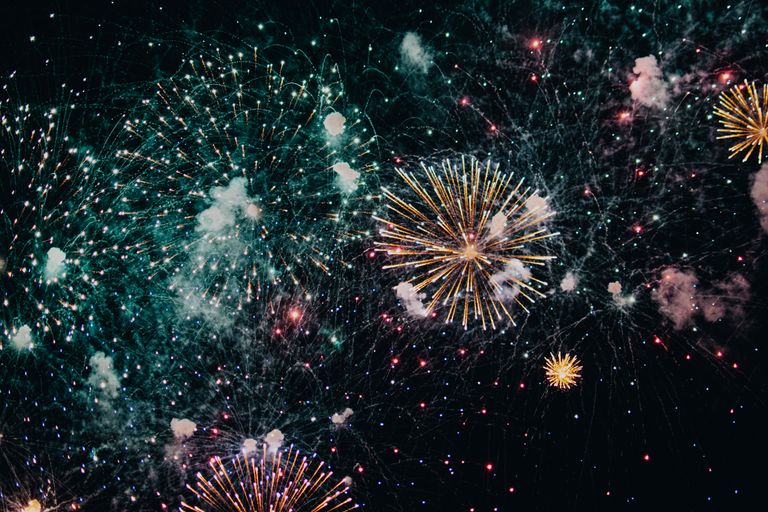
One of the affected videos appeared on the Team Trump TikTok account on August 3. It showed Trump and first lady Melania Trump standing together while watching a fireworks display.
Swift’s song “August,” from her 2020 album “Folklore,” originally played behind the footage. Text placed over the video read, “Mood because it’s August and Donald Trump is your president.”
The caption went further by directly tagging the singer and saying she would be “super excited” that the campaign had used her song. That line appeared to acknowledge the well-known political distance between Swift and Trump.
The music later disappeared. According to The Independent, some users in the United States saw a message explaining that the copyright owner had not made the audio available in their country.
The video itself remained online, but without the Swift recording that gave the post much of its cultural punch.
Other songs connected to Swift also disappeared from Trump-related TikTok videos. Reports identified “Father Figure” and “Opalite,” both from her 2025 album “The Life of a Showgirl,” among the tracks removed from earlier posts.
The exact number of affected videos remains unclear. It is also unclear whether every removal resulted from the same action or copyright decision.
Trump’s Team Has Repeatedly Used Swift’s Music
The “August” video was not the first time Trump’s campaign or administration used Swift’s work in political content.
Another recent post played on the title of her 2012 album “Red” and several of her best-known songs. The video included lines such as “Red (Donald Trump’s Version)” and “Red (Taylor Swift Wrote A Whole Album About Republicans).”
It also converted her song titles into attacks on Democrats. “Everything Has Changed” was connected to the southern border, while “We Are Never Ever Getting Back Together” was used to describe the Biden-Harris administration.
The approach borrowed Swift’s language and cultural influence to deliver political messages, even though she has never supported Trump.
In June, the Trump campaign used “I Knew It, I Knew You,” Swift’s song from “Toy Story 5,” in another TikTok video. The footage showed Trump interacting with children at the White House, dancing during a UFC event and appearing at a rally.
That post carried the message, “Nobody loves our country & the American People more than President Donald J Trump.”
According to Reuters, it marked the third time in recent months that the administration or campaign had used one of Swift’s songs. The pattern attracted attention because of the sharp political history between the singer and the president.
Swift and Trump Have a Long Political Divide
Swift spent the early years of her career avoiding direct political endorsements. That changed as she became increasingly open about elections, voting rights and candidates she supported.
During the 2020 presidential campaign, she strongly criticized Trump on social media. Four years later, she endorsed then-Vice President Kamala Harris, Trump’s Democratic opponent in the 2024 election.
Swift announced that endorsement after an artificial intelligence-generated image falsely suggested she supported Trump. She encouraged voters to research the candidates and make their own decisions, while making her personal choice clear.
Trump responded with a blunt social media message declaring, “I HATE TAYLOR SWIFT!”
He criticized her again in 2025, claiming that she was no longer “hot” after he attacked her. Despite those public comments, accounts connected to Trump continued using her songs and references to her career.
Swift has not recently issued a public statement about Trump, and she has not commented publicly on the latest removals. That makes it important not to describe the muted videos as a direct action by the singer unless she, her representatives, or a rights holder confirms it.
Music Rights Remain a Problem for Political Campaigns
Disputes over campaign music are not new. Politicians often use popular songs at rallies or in online videos, only to face objections from the artists who created them.
Several performers have opposed the Trump administration’s use of their music. Reuters reported that artists including Sabrina Carpenter and Ariana Grande have objected to their songs being connected with Trump’s political messaging.
The legal situation can differ depending on how and where music appears. A campaign may have permission to play certain recordings at a licensed venue, but that does not automatically mean it can place the same music in a promotional social media video.
Online platforms also operate their own licensing and copyright systems. A song can be muted, restricted by country, or removed after a claim from someone who controls the recording or publishing rights.
For now, the public record only establishes that several Swift songs disappeared from Trump campaign and White House posts. It does not establish who requested each removal or whether Swift was personally involved.
Still, the sudden silence carries an unmistakable political weight. Trump’s team used the music of an artist who openly backed his opponent, sometimes with captions that appeared designed to provoke her.
The videos remain, but the songs that made them instantly recognizable are gone. In a dispute involving one of the most carefully controlled music catalogs in modern entertainment, that missing audio may speak louder than any public statement.