Coconut Cream Pie Never Left the Diner and This Fluffy Classic Still Steals the Show
Some desserts make a dramatic entrance. Coconut cream pie arrives with a generous cloud of whipped cream, a scattering of toasted coconut, and absolutely no interest in being subtle. This article spotlights that diner classic: a golden crust filled with coconut pastry cream and finished with a cool, fluffy topping. King Arthur Baking recipe developer Susan Reid calls it a “classic diner pie,” and its appeal lies in its layers.
Its staying power goes beyond a vintage-dessert reputation. Coconut cream pie offers contrast: crisp pastry, smooth filling, chewy coconut, and whipped cream that lightens each forkful. It can also support a remarkably enduring restaurant signature. Seattle chef Tom Douglas introduced his Triple Coconut Cream Pie alongside Dahlia Lounge, which opened in 1989, and the dessert went on to become one of his best-known creations. A familiar diner-style pie became a destination dessert without losing its basic identity.
A Diner Classic With Plenty Going On
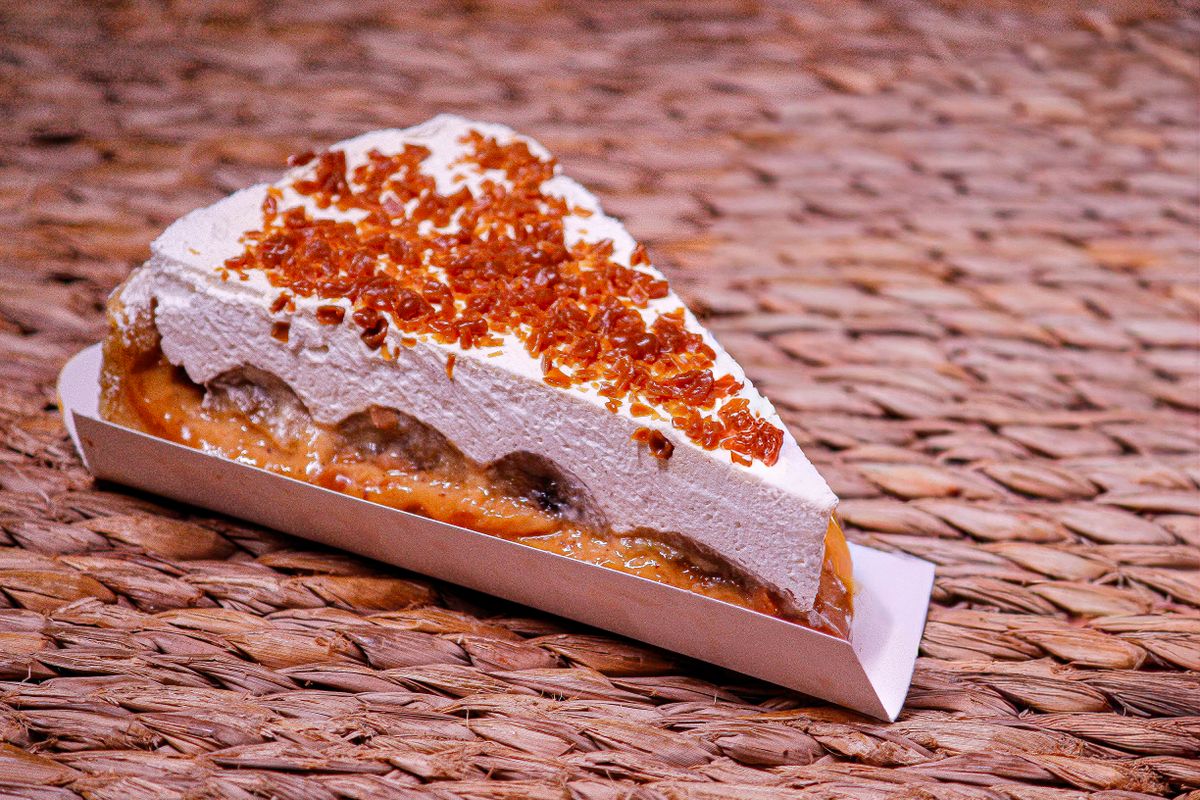
The standard structure is straightforward, but it rewards careful preparation. Reid’s version starts with a fully baked, buttery pastry shell, then adds a filling made with coconut milk, dairy milk, egg yolks, and thickeners. Coconut is stirred into the cooked pastry cream, which chills before the pie is assembled. Fresh vanilla whipped cream finishes the top. That sequence distinguishes it from a dessert where an uncooked filling goes into a raw crust, and everything bakes together.
Coconut is not merely decoration here. In Reid’s recipe, coconut milk, coconut extract, and shredded or large-flake coconut carry the flavor through the filling, while optional toasted coconut adds another texture on top. The recipe specifies unsweetened coconut and offers an adjustment if a baker uses sweetened shredded coconut instead. That detail matters: changing the coconut changes the sweetness, so simply substituting whatever bag happens to be in the cupboard can alter the finished pie’s balance.
The pie also leaves room for different levels of ambition. King Arthur’s easier version uses a graham-cracker crust and a pastry-cream filling mix, with instant vanilla pudding as an alternative. It is a different preparation from the scratch-made pastry-cream recipe, not evidence that one fixed formula defines the dessert. In the accompanying article, the writer sums up the attraction as “Crunchy crust, rich custard-like filling, deep coconut flavor, and a hit of whipped cream.” That is a pretty good job description for a slice.
The Seattle Pie That Built a Following
Douglas’s Triple Coconut Cream Pie shows how an old-school dessert can keep earning attention for decades. Dahlia Lounge opened in 1989, and Douglas won the James Beard Award for Best Northwest Chef in 1994. His pie took the diner-style format and reinforced the coconut at every opportunity: coconut in the crust, coconut milk pastry cream inside, and toasted coconut chips over the whipped cream. White chocolate curls add a final flourish.
The “triple” in its name is therefore more than a dramatic adjective. It points to the crust, filling, and garnish working together rather than asking a single spoonful of extract to carry the entire dessert. Douglas’s published recipe also uses a vanilla bean in the pastry cream and adds butter after cooking. These are specific choices in his version, not requirements for every coconut cream pie. They show how much personality a chef can add to a familiar dessert without turning it into something unrecognizable.
In its 2018 presentation of Douglas’s recipe, Tasting Table called the pie “old-school, diner-style” and reported that former President Barack Obama had requested it by name. The publication also noted that Salt & Straw turned it into a limited-edition ice cream flavor and that the dessert appeared prominently in Douglas’s Dahlia Bakery cookbook. Those are documented examples of its reach, not proof that everyone loves coconut. They do, however, make a persuasive case that this particular pie became much more than a routine final course.
Related: 10 American Foods That Make Visitors Scratch Their Heads- But Many Americans Still Love
The Little Details Behind a Great Slice
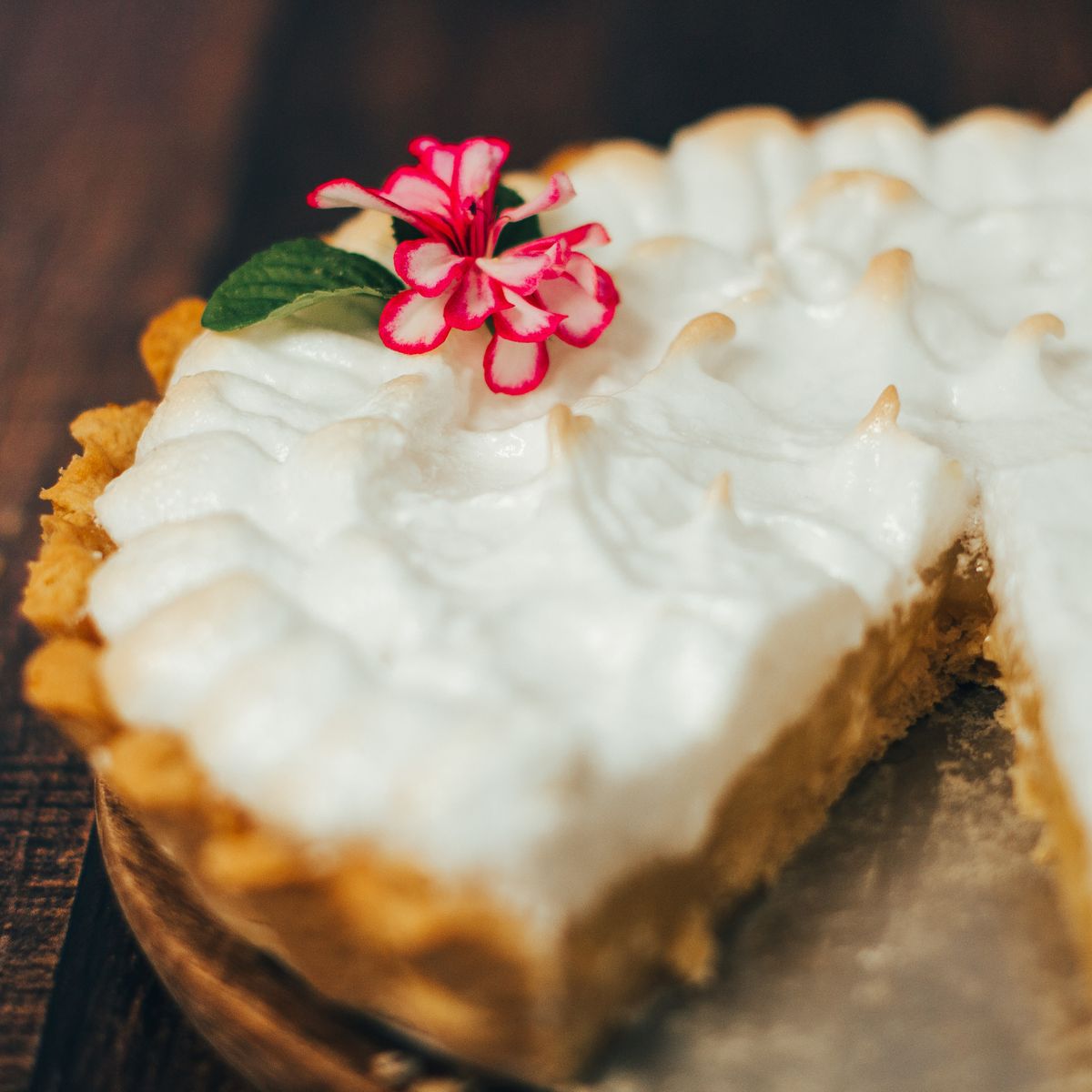
A good coconut cream pie starts with a genuinely baked crust, not one that’s merely pale and set. Reid’s instructions call for baking the shell with weights, removing them, and continuing until the crust is golden all over. Douglas’s recipe follows a similar approach, baking the empty shell before adding the cooled filling. Since the assembled pie doesn’t return to the oven, the crust needs a complete bake on its own. The filling cannot rescue underdone pastry hiding underneath it.
The filling needs patience, too. Reid’s recipe calls for constant whisking as the custard thickens, straining, and chilling for at least three hours. Douglas’s version likewise cools the pastry cream completely before assembly. This is not a dessert to finish five minutes before guests ask where the plates are. Its appealing creaminess depends on a filling that has time to cool and set, not one rushed into the shell while still warm.
Then there is the toasted coconut, the small finishing touch that deserves more attention than its size suggests. Douglas’s recipe tells bakers to watch it closely and stir while toasting because coconut burns easily. Let it cool before scattering it over the cream. The finished pie also belongs in the refrigerator: Reid’s recipe says to cover it and refrigerate it for up to four days. Check the storage directions for the recipe or bakery pie you actually have, rather than treating a cream-filled dessert like a loaf of bread.
Coconut cream pie does not need a comeback narrative to justify its place on the dessert menu. The diner version remains recognizable, while Douglas’s decades-old signature shows how the same framework can become a celebrated specialty. Its enduring strength is contrast: crisp against creamy, toasted against cool, and enough coconut to make the name count. No elaborate reinvention required, just a well-made slice and a fork ready to get through all those layers.