7 Things to Know Before Buying a Prime Rib for Christmas Dinner
For many families, nothing says Christmas dinner quite like a prime rib. A beautifully browned standing rib roast, carved into thick, rosy slices at the table, feels like the ultimate holiday centerpiece. It’s the kind of meal that makes a gathering feel special.
But prime rib is also one of the most expensive cuts of beef you can buy, and with beef prices high this year, it’s not a purchase to make on a whim. Choosing the wrong size, grade or cut can mean overspending or ending up with a roast that disappoints. Before you head to the butcher counter, here are seven things to know about buying a prime rib for Christmas dinner.
1. “Prime Rib” Doesn’t Always Mean Prime Grade
Here’s something that surprises many shoppers: the “prime” in prime rib doesn’t necessarily refer to the USDA Prime grade. The name comes from the fact that the roast is cut from the primal rib section of the cow. A roast labeled prime rib may actually be USDA Choice or Select.
USDA Prime is the highest grade, with the most marbling, and it’s usually the most expensive. Choice is the next step down and is widely available at grocery stores. Select has the least marbling. Under the USDA’s beef grading system, the grade reflects the amount of marbling, which affects tenderness, juiciness and flavor. Many home cooks find Choice offers good flavor at a more reasonable price.
2. Know What It’s Called at the Store
Prime rib can go by several names, which can confuse shoppers. You may see it labeled as a standing rib roast, a rib roast, a beef rib roast or a ribeye roast. A standing rib roast is bone-in, while a ribeye roast is the same meat with the bones removed.
If you’re not sure what you’re looking at, ask the butcher. Many butchers are happy to explain the options and help you choose the right roast for your gathering. Some will even trim and tie it for you at no extra charge. It never hurts to ask what the butcher would serve at their own family’s table.
3. Bone-In or Boneless
Bone-in roasts are the traditional choice for prime rib. Many cooks believe the bones help the meat cook more evenly and add flavor. The bones also act as a natural roasting rack, and the presentation looks impressive on a holiday table.
Boneless roasts are easier to carve and slice, which can make serving simpler. They also cook a little faster. Some butchers will cut the bones off and tie them back on, giving you the benefits of both. If you choose bone-in, you’ll need to buy a bit more weight per person.
4. How Much to Buy
A good rule of thumb is about one rib for every two people when buying a bone-in roast. Many butchers suggest roughly 1 pound of bone-in roast per person, or about half a pound to three-quarters of a pound of boneless roast per person, depending on appetites and how many side dishes you’re serving.
If you want leftovers for sandwiches the next day, buy a little extra. Prime rib leftovers make excellent sandwiches, hash and steak salads. Planning ahead can help you avoid buying too little or overspending on far more than you need.
5. Order Early
Prime rib is in high demand during the holidays, especially in the week before Christmas. Many butcher shops and grocery store meat counters take orders weeks in advance. If you wait until the last minute, you may find limited choices or no prime rib at all.
Ordering early also gives you time to ask questions and get exactly the size and cut you want. Some stores offer holiday specials on rib roasts, so it pays to compare prices and place your order once you find a good deal.
6. Expect a Higher Price This Year
Beef prices have climbed sharply over the past two years, driven by the smallest U.S. cattle herd in decades and strong demand. Ground beef reached record prices this year, and premium cuts like rib roasts have also become more expensive. The USDA tracks rising beef prices in its food price outlook.
That means a prime rib for a large family can be a significant expense. Many families are choosing smaller roasts, serving it alongside other proteins or switching to more affordable cuts. Some grocery stores offer prime rib as a holiday loss leader, so watching weekly ads can help you find a better price.
7. Plan Your Cooking Time
Prime rib needs careful timing. Many cooks let the roast sit out for a while before cooking so it cooks more evenly. Many recipes call for roasting at a high temperature at first, then lowering the heat, or using a low, slow method followed by a quick sear.
The most important tool is a meat thermometer. Most people pull prime rib from the oven a few degrees below their target doneness, since the temperature keeps rising while it rests. The USDA lists 145 degrees Fahrenheit, followed by a three-minute rest, as the safe minimum for beef roasts. Letting the roast rest before carving keeps the juices inside the meat.
Making the Most of Your Prime Rib
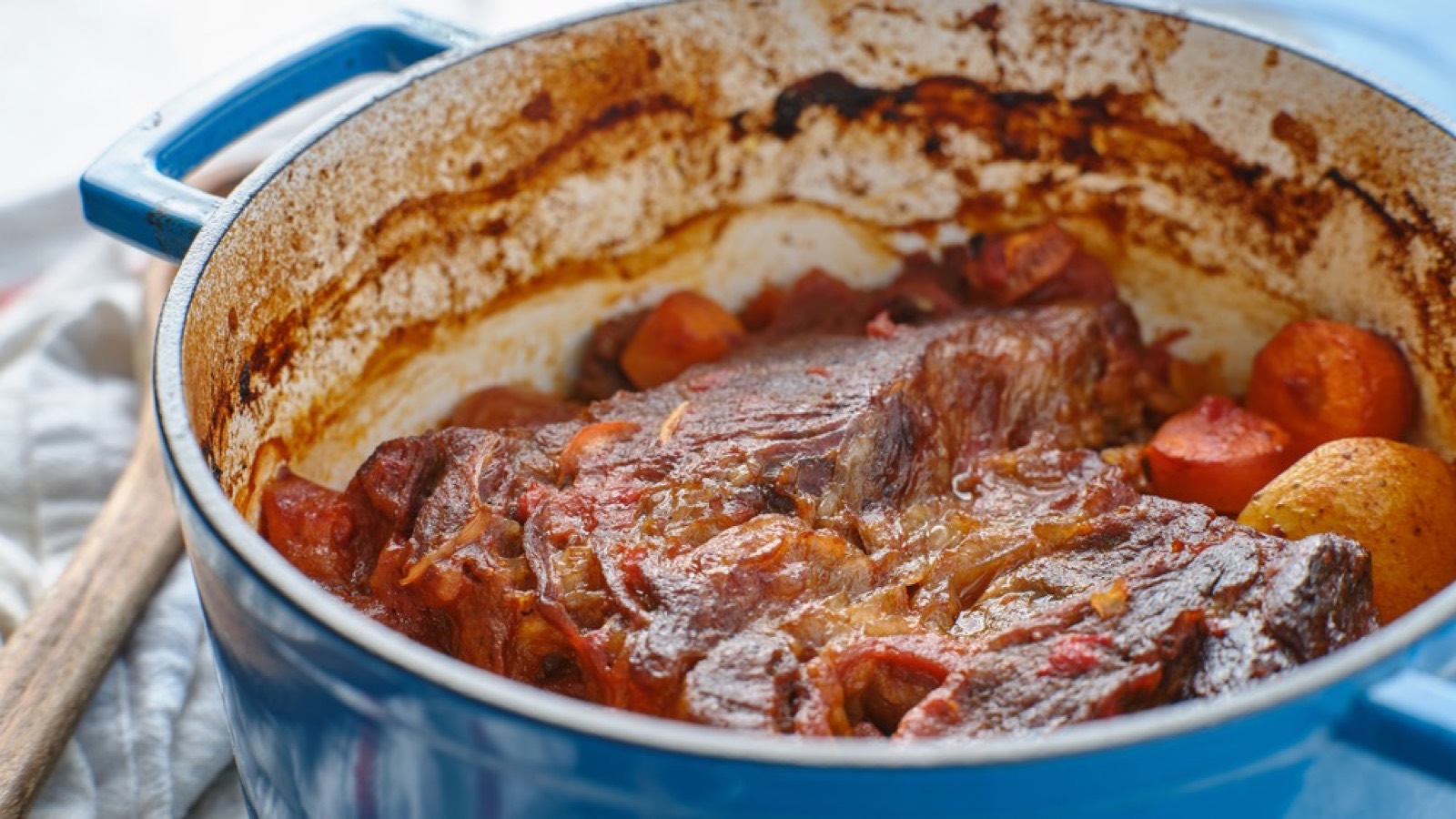
Prime rib doesn’t need much to shine. Many cooks season it simply with salt, pepper, garlic and herbs. A classic side of horseradish sauce or au jus made from the pan drippings adds even more flavor. Mashed potatoes, roasted vegetables and Yorkshire pudding are traditional companions.
If you’re cooking prime rib for the first time, don’t be intimidated. With the right roast and a good thermometer, it’s one of the easiest impressive meals you can make. Our sister site looks back at the Christmas foods many families loved for generations.
A Tradition Worth the Effort
For many families, prime rib is more than a meal. It’s a once-a-year tradition that marks the holiday as something special. The smell of a roast in the oven, the anticipation of carving and the gathering around the table all add to the magic of Christmas.
By knowing what to buy, ordering early and planning your cooking time, you can make sure your prime rib is the highlight of your holiday dinner. A little preparation goes a long way toward creating a meal your family will remember for years.