8 Most Produced Fruits In The World
From bananas and watermelons to apples and oranges, the world’s most-produced fruits feed billions of people and support millions of farmers worldwide.
Fruits are among the most important agricultural products on Earth, providing essential nutrients while supporting economies, communities, and international trade networks. Every year, hundreds of millions of tons of fruit are grown, harvested, transported, and consumed worldwide.
While thousands of fruit varieties exist, a relatively small group dominates global production. These fruits have become household staples because they are versatile, affordable, easy to transport, and adaptable to different climates.
From tropical plantations to temperate orchards, here are some of the world’s most-produced fruits and why they’re so popular.
Bananas
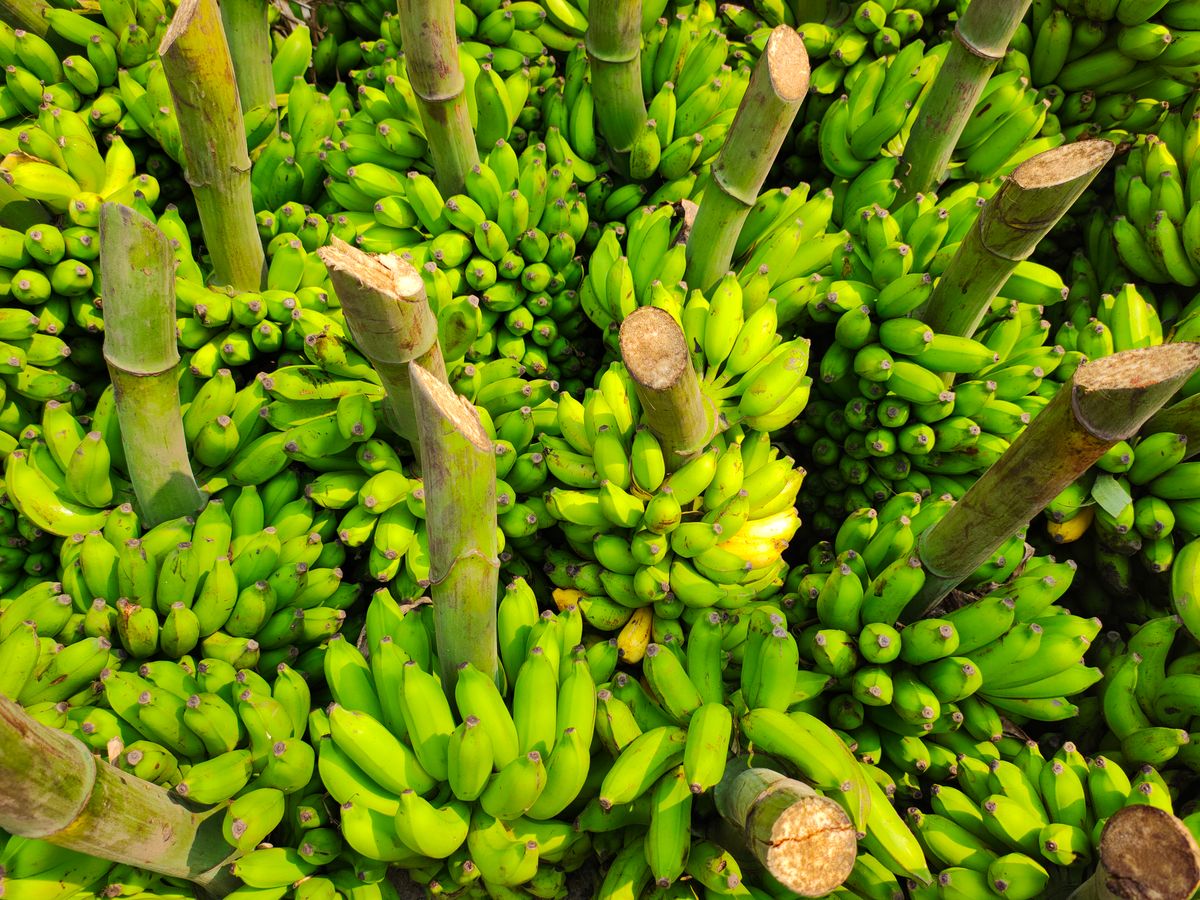
Bananas are among the most widely produced and consumed fruits worldwide. Their popularity comes from their convenience, affordability, and nutritional value.
Grown primarily in tropical and subtropical regions, bananas thrive in warm climates with consistent rainfall. Major producing countries include India, China, Indonesia, Brazil, and several nations in Latin America and Africa.
Bananas are unique because they are harvested year-round rather than during a short seasonal period. This allows farmers to maintain a steady supply for local markets and international trade.
The fruit is valued for its natural sweetness, energy content, and versatility. People eat bananas fresh, blend them into smoothies, bake them into desserts, and use them in countless recipes.
Beyond consumption, bananas support millions of small-scale farmers who depend on the crop for income.
Watermelons
Watermelons are among the world’s most produced fruits, especially popular during warm seasons. Their high water content makes them refreshing and valuable in hot climates.
China is the largest producer of watermelons, contributing a significant share of global supply. Other major producers include Turkey, India, Brazil, and countries across Africa and the Middle East.
Watermelons require space to grow because their vines spread across large areas of farmland. Farmers carefully manage irrigation, soil conditions, and harvesting schedules to produce large, sweet fruits.
Although often associated with summer picnics, many parts of the world consume watermelons year-round. People eat them fresh, turn them into juice, add them to salads, and use them in creative dishes.
Apples
Apples are one of the most recognizable fruits worldwide and have been cultivated for thousands of years.
China is the largest apple-producing country, with major production also occurring in the United States, Turkey, India, Poland, and several European nations.
One reason for apples’ success is their diversity. Thousands of varieties exist, offering different flavors, colors, and textures. Some apples are best for eating fresh, while others are preferred for cooking, juice production, or processing.
Apples are also valued for their storage ability. Certain varieties can be stored for months under controlled conditions, allowing consumers to enjoy them long after harvest.
The fruit plays an important role in agriculture, supporting orchard communities and food industries worldwide.
Oranges
Oranges are among the most important citrus fruits in global agriculture. People enjoy them fresh, and they are also widely used for juice production.
Brazil, China, India, Mexico, and the United States are among the leading orange producers. Brazil, in particular, has a major role in the global orange juice industry.
Oranges grow best in warm climates and require careful management of water, pests, and disease prevention.
The fruit is popular because of its sweet flavor and vitamin C content. It appears in breakfasts, beverages, desserts, sauces, and countless food products.
The orange industry also supports large agricultural and processing sectors, from farming and transportation to packaging and manufacturing.
Grapes
Grapes are one of the world’s most economically important fruits. People consume them fresh, dried as raisins, and processed into products such as juice and wine.
China, Italy, France, Spain, the United States, and Turkey are among the major grape producers.
Grapes are highly adaptable and can be grown in many different environments. However, they require careful farming practices because quality depends heavily on climate, soil, and cultivation methods.
The global grape industry includes both table grapes for direct consumption and grapes grown for processing.
Their importance extends beyond food, with grape-growing regions often becoming major cultural and tourism destinations.
Mangoes
Known as the “king of fruits” in many regions, mangoes are among the most popular tropical fruits worldwide.
India produces a large share of the world’s mangoes, while other major producers include China, Indonesia, Pakistan, Mexico, and several African countries.
Mangoes are prized for their sweet flavor, fragrant aroma, and nutritional benefits. Hundreds of varieties exist, each with unique characteristics.
People eat the fruit fresh and use it in juices, smoothies, desserts, chutneys, and sauces.
Mango farming provides important income for millions of farmers, particularly in tropical regions where the fruit grows naturally.
Pineapples
Pineapples have become a symbol of tropical agriculture and are grown in warm regions worldwide.
Costa Rica is one of the leading pineapple producers, with significant production also occurring in countries such as the Philippines, Brazil, Thailand, and India.
Pineapples require careful cultivation because each plant produces only one main fruit. Farmers must manage soil quality, temperature, and harvesting timing to achieve good results.
The fruit is popular for its sweet, tangy flavor and is consumed fresh, canned, juiced, and in desserts.
Tomatoes
Although often treated as a vegetable in cooking, tomatoes are botanically classified as fruits. They are among the most produced fruit crops worldwide.
China is the largest tomato producer, followed by countries including India, Turkey, the United States, and Italy.
Tomatoes are incredibly versatile. People use them in sauces, soups, salads, pizzas, and countless traditional dishes.
The fruit’s popularity comes from its ability to grow in many climates and its importance in both fresh food markets and industrial processing.
The Importance of Global Fruit Production
The world’s fruit industry is more than just a source of food. It provides employment, supports rural economies, and contributes to international trade.
Millions of farmers rely on fruit crops for their livelihoods. From small family farms to large commercial plantations, fruit production connects communities across continents.
However, the industry also faces challenges. Climate change, water shortages, pests, transportation costs, and changing consumer demands continue to affect fruit farming.
Farmers and researchers are increasingly exploring sustainable practices, improved crop varieties, and new technologies to protect future production.
The Future of the Global Fruit Industry
As the world’s population grows, demand for fresh and nutritious foods is expected to increase. Fruits will continue to play an important role in global diets.
Advances in farming technology, improved supply chains, and sustainable agriculture methods may help producers meet future challenges.
At the same time, consumers are becoming more interested in where their food comes from and how it is produced. This is encouraging greater attention to environmental responsibility and fair farming practices.