10 Costly Home Repair Mistakes That Quietly Ruin a House
A small home repair mistake can look harmless at first. A rushed paint job, a loose tile, an overloaded outlet, a dripping pipe, or a shelf mounted into plain drywall may seem like something we can fix later. Then the hidden damage begins to spread behind walls, under floors, inside ceilings, and across systems that cost far more to repair than the original problem.
The danger is that many common home repair mistakes do not announce themselves immediately. Water can travel before stains appear, bad caulk can trap moisture rather than block it, poor ventilation can invite mold, and the wrong fastener can fail months after installation. When we repair a home, we are not just making it look better. We are protecting structure, safety, comfort, energy efficiency, and resale value.
Starting Repairs Without a Budget, Timeline, or Exit Plan

A home repair can become expensive for two reasons: the work itself is complicated, or we begin without a plan. Missing tools, wrong materials, extra trips to the store, rushed decisions, and half-finished work all increase cost. The biggest mistake is continuing only because we have already spent money.
Every repair needs a basic plan. We should define the problem, list the materials, estimate the time required, assess safety risks, identify the stopping point, and decide when to call a professional. An exit plan is part of smart DIY work. If we find hidden water damage, unsafe wiring, structural movement, gas lines, asbestos-suspect materials, or a repair that requires special licensing, stopping is the responsible choice.
Skipping Surface Preparation Before Painting

Paint does not hide poor preparation for long. Dirty walls, glossy surfaces, old flakes, grease, dust, nail holes, and moisture stains can all ruin a fresh coat. The wall may look acceptable for a few days, but bubbling, streaking, peeling, and uneven color usually follow when we paint over problems instead of preparing the surface.
A professional-looking paint job begins before the brush touches the wall. We need to clean the surface, repair cracks and holes, sand rough spots, protect trim, choose the right primer, and respect drying times between coats. Skipping primer on stained, patched, glossy, or porous surfaces is one of the easiest ways to waste money because the final finish may require extra coats and still look uneven.
Using Cheap Materials in Places That Need Durability
Cheap materials can make a project feel affordable at checkout and expensive afterward. Thin caulk, low-grade fasteners, weak wall anchors, bargain paint, flimsy supply lines, and poor-quality sealants often fail faster under normal household use. A home is full of pressure, movement, moisture, heat, weight, and daily wear, so materials need to match the job.
We do not need luxury products for every repair, but we do need the correct grade. Bathrooms need moisture-resistant materials. Exterior repairs need weather-rated products. Heavy shelves need load-rated anchors and studs. Plumbing parts need reliable seals. The wrong material can turn a small repair into a recurring one, and recurring repairs are where the real cost begins.
Overtightening Screws, Bolts, Plumbing Fittings, and Fixtures
Many homeowners assume tighter means stronger. That belief damages drywall, cracks tile, strips screws, crushes washers, weakens fittings, and creates leaks. Overtightening is especially risky with plumbing connections because excessive force can deform threads or seals, leaving a joint that appears secure but slowly drips.
The better approach is controlled tightening. We should use the correct tool, stop when the connection is snug, and avoid forcing hardware beyond its design. For mounts, brackets, faucets, toilets, supply lines, and fixtures, the goal is firm and secure, not crushed. If a connection still leaks after proper tightening, the answer is usually a better seal, a replacement part, or professional help, not more force.
Hanging Heavy Items Without Finding Wall Studs
Drywall is not designed to carry significant weight on its own. Lightweight frames may be fine with simple anchors, but shelves, mirrors, cabinets, televisions, coat racks, floating desks, and exercise equipment need stronger support. The danger increases when the load moves, such as a TV arm that extends outward or a coat rack that gets pulled daily.
Studs matter because they transfer weight into the wall structure. Before hanging anything heavy, we should locate studs, confirm spacing, use hardware rated for the object, and account for the item’s actual weight after it is in use. A shelf may feel light when empty, then become dangerously heavy once books, dishes, tools, or decor are added.
Drilling Into Walls Without Checking for Wires and Pipes
A wall may look empty from the outside, but it can hide electrical wiring, plumbing lines, ductwork, drain pipes, gas lines, and low-voltage cables. Drilling or nailing blindly can create a hidden leak, trip a circuit, damage a pipe, or cause a serious safety hazard. The repair may begin as a simple wall mount and end as an emergency call.
We should slow down before penetrating walls, ceilings, or floors. Stud finders with wire detection, inspection holes, building plans, outlet locations, plumbing fixture positions, and cautious drilling all help reduce risk. If a wall is near a bathroom, kitchen, laundry room, utility space, electrical panel, or exterior service line, extra caution is necessary.
Ignoring Moisture Before It Becomes Mold
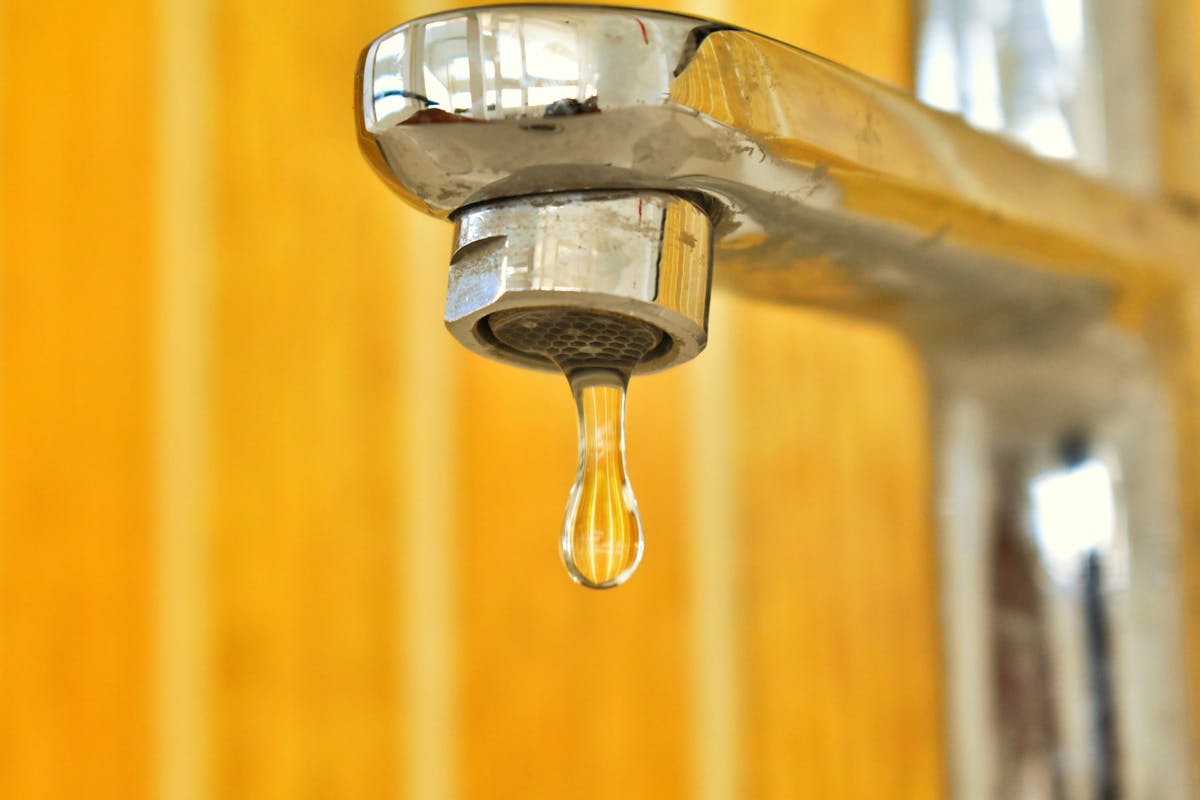
Water is one of the most destructive forces inside a home. A small leak under a sink, a slow roof drip, a sweating pipe, a damp basement corner, or failed bathroom caulk can create conditions for mold and material decay. The mistake is assuming that drying the visible area solves the problem.
Moisture control starts with finding and fixing the source. We need to look beyond the stain to determine where the water came from, how long it has been present, and which materials were affected. Wet drywall, insulation, subflooring, cabinets, and trim can hold moisture longer than expected. If musty smells, recurring stains, soft materials, or visible mold appear, the repair needs more than cosmetic cleaning.
Applying Too Much Caulk or Spray Foam
Caulk and spray foam are useful, but excess product can create new problems. Too much caulk can look messy, cure poorly, trap moisture, and fail at the edges. Too much spray foam can expand with force, pushing against trim, framing, siding, or window and door components.
A clean seal is usually better than a thick seal. We should remove failed caulk before adding new caulk, clean and dry the surface, cut the nozzle to the right size, apply a controlled bead, and smooth it properly. Spray foam should be used carefully, in the correct type and amount, especially around windows and doors, where excessive expansion can interfere with movement.
Using the Wrong Fasteners for the Material
A screw is not just a screw. Wood, drywall, concrete, brick, tile, metal, masonry, and plaster all require different fasteners. Using the wrong one can crack the material, loosen under load, corrode in outdoor conditions, or fail without warning. This is one of the most common DIY home repair mistakes because the wrong hardware can still appear to work at first.
We should match the fastener to the surface, weight, environment, and movement. Exterior fasteners need corrosion resistance. Masonry needs anchors designed for concrete or brick. Tile needs careful drilling and proper support behind it. Heavy loads need rated hardware, not guesswork. The label on the package matters because it tells us what the fastener is designed to hold.
Treating Electrical Problems as Simple DIY Jobs

Electrical mistakes are different from cosmetic mistakes because they can create fire and shock hazards. Flickering lights, warm outlets, burning smells, frequently tripped breakers, buzzing switches, scorched plugs, and outlets that no longer hold cords tightly should never be ignored. These are warning signs, not minor annoyances.
We can safely handle very basic tasks only when we understand the circuit, shut off power, test properly, and follow local rules. Anything involving new circuits, overloaded panels, aluminum wiring, repeated breaker trips, major appliances, outdoor wiring, bathroom wiring, or unknown faults belongs with a licensed electrician. Saving money is never worth turning a home repair into a fire risk.
Repairing Roof Leaks From the Inside Only
A ceiling stain may appear inside the house, but the failure usually begins outside. Many homeowners patch drywall, paint over stains, or place a bucket under the drip without tracing the roof problem. That gives water more time to damage insulation, framing, sheathing, ceilings, and electrical components.
Roof leaks need source tracking. The issue may be damaged shingles, failed flashing, clogged gutters, cracked vents, poor chimney sealing, ice dams, or roof penetrations. The inside stain is only the final stop on the water path. A proper repair should address the exterior failure, check attic moisture, replace wet materials when needed, and confirm that the leak does not return after rain.
When We Should Stop DIY Work and Call a Professional
We should call a professional when the repair involves electrical panels, new circuits, gas lines, major plumbing, structural beams, foundation movement, roof leaks, HVAC systems, extensive mold, sewer lines, asbestos-suspect materials, or work that requires permits. These jobs can affect safety and long-term home value. A confident homeowner knows when to keep going and when to step back.
Calling a professional is not a failure. It is risk management. The most expensive home repair mistake is often pride, especially when we continue after the project has become unsafe, unclear, or larger than expected. A house rewards patience, preparation, and honest judgment.