9 Leftovers That Turn Rubbery or Soggy in the Microwave
The microwave is brilliant when the goal is simple: get dinner hot, fast. But some leftovers need a different kind of heat if you want them to taste and feel more like they did the first time around.
Crispy crusts can go soft, fried coatings can lose their crunch, and delicate proteins can turn chewy surprisingly quickly. The good news is that you do not need a complicated cooking project. For several leftovers, a skillet, oven, toaster oven, or air fryer can make a noticeable difference.
Pizza
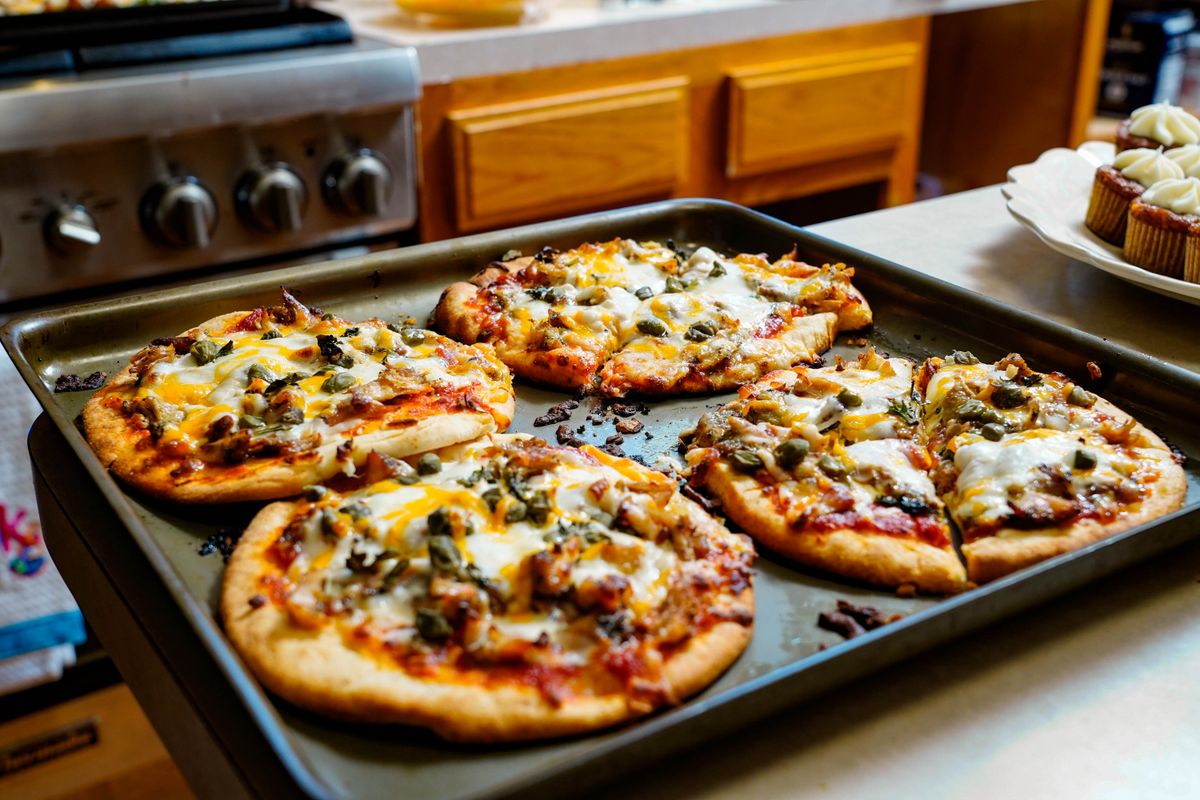
Pizza is probably the most familiar microwave disappointment. The slice gets hot, the cheese melts, and yet the crust can end up soft and chewy instead of crisp underneath.
That happens because the microwave heats the moisture in the food, which does not recreate the dry heat that originally firmed up the crust. For a better texture, warm the slice in a covered skillet over medium-low heat.
A few drops of water can go into the bare pan beside the pizza, not directly on it. Cover the skillet briefly to help the cheese melt while the crust firms up.
Related: Foods You Should Never Reheat in the Microwave
Fried Chicken
Fried chicken is another leftover that can lose its best feature in the microwave. The coating can become soft as moisture builds beneath it, while the meat itself can become dry if it is heated for too long.
An oven, toaster oven, or air fryer is a better choice when the goal is to bring back some of that crisp exterior. The dry heat gives the coating a better chance of regaining its texture while the chicken warms.
The microwave can still get the job done when speed matters. It just is not the best tool for recreating that freshly crisped coating.
French Fries
Few leftovers expose the microwave’s texture problem faster than French fries. What started out crisp can become limp after only a short trip around the microwave.
Fries benefit from dry heat because their exterior needs that environment to regain some crispness. An air fryer, hot oven, or skillet is a better fit.
If the goal is a crunchy fry rather than simply a warm one, the extra step is worth considering.
Breaded Fish or Seafood
Breaded fish, shrimp, and similar seafood leftovers can have a particularly awkward microwave transformation. The coating can become soft while the seafood underneath becomes dry or rubbery if it is heated too aggressively.
A low oven, toaster oven, or air fryer can warm the food while giving the breading a better chance to stay crisp. This advice is especially useful for breaded seafood rather than simple fish fillets.
A plain fish fillet may need gentler reheating, but that does not mean it automatically belongs on the microwave blacklist.
Steak
Leftover steak can be difficult to reheat evenly in a microwave. The outer portions may heat much faster than the center, encouraging you to keep going until the meat becomes gray and chewy.
A gentler skillet method can work better. Another option is to slice the steak and briefly add it to another dish near the end of cooking.
There is no single perfect reheating method for every thickness or preferred doneness, so the goal is simply to avoid blasting the whole piece with heat until the edges are overcooked.
Scrambled Eggs and Omelets
Eggs can go from tender to rubbery in a hurry. As they heat, their texture tightens, and an omelet can also release moisture during reheating.
If you use the microwave, short intervals at low power are a better approach than running the eggs at full power. Covering them can also help.
A gentle skillet reheat is another option when you have a little more time. The microwave still works in a pinch, but patience matters more here.
Baked Pasta With a Crispy Topping
Baked pasta can actually reheat quite well in the microwave, but its crunchy topping is another story. Breadcrumbs, crackers, or browned cheese can become soft once microwave steam reaches the surface.
An oven or toaster oven is better when that contrast is part of what you enjoy about the dish. Cover the pasta during the first part of reheating, then uncover it toward the end to help the topping regain some texture.
Plain pasta with sauce is a different situation and is often much more microwave-friendly. This problem is mainly about baked dishes with a crisp surface.
Roasted Vegetables
Roasted potatoes, Brussels sprouts, broccoli, and similar vegetables can lose their browned edges when reheated in the microwave. The appliance warms and softens the vegetables rather than recreating the dry heat that gave them those roasted edges.
A sheet pan in a hot oven or an air fryer can do a better job of restoring some of that roasted character. The difference is especially noticeable when the original dish depended on browned edges for its texture.
Not every vegetable leftover has this problem. Soft vegetable sides, soups, and steamed vegetables can still work well in the microwave.
Pastries and Croissants
Croissants, turnovers, and other flaky pastries are particularly vulnerable to the microwave. Their butter-rich layers can become limp, greasy, or oddly tough because microwave heat does not recreate the crisp structure produced in the oven.
A toaster oven or standard oven is a better choice for a short reheat. The dry heat gives the pastry a chance to become crisp and flaky again.
It takes a little longer than pressing a microwave button, but a croissant is one leftover that rewards the extra minute or two.
A Few Reheating Basics
Perishable leftovers should be refrigerated promptly, and leftovers should be reheated to 165 degrees F. When using a microwave, covering food and stirring or rotating it where possible can help it heat more evenly.
Letting food stand briefly after heating can also allow retained heat to finish the reheating process.
The important distinction is that texture and food safety are two different issues. A microwave can safely reheat many leftovers when they have been stored and heated properly. The problem with pizza, fries, or a croissant is usually not whether they can get hot, but whether they will still have the texture you wanted.
The next time the leftovers are crispy, flaky, or delicate, consider giving them the kind of heat that made them good in the first place.