California’s 8-Hour Battery Is a Big Step Forward — But Many Residents Are Asking the Same Question: Is the Grid Really Ready?
California has rolled out its first-ever 8-hour grid-scale battery, a major milestone in the state’s push toward clean energy. Officials describe it as a breakthrough that enhances reliability, stores more renewable power, and reduces dependence on fossil fuels during peak-demand hours.
But as the technology goes live, Californians are split on what it really means for everyday life. Some see progress. Others see a system under growing pressure, patched faster than it can be stabilized.
The new battery system, located in Kern County, can store excess solar energy during the day and release it well into the night. It is designed to stretch renewable power beyond sunset hours, a key limitation of current four-hour battery systems.
A Major Upgrade and a Major Test for the Grid
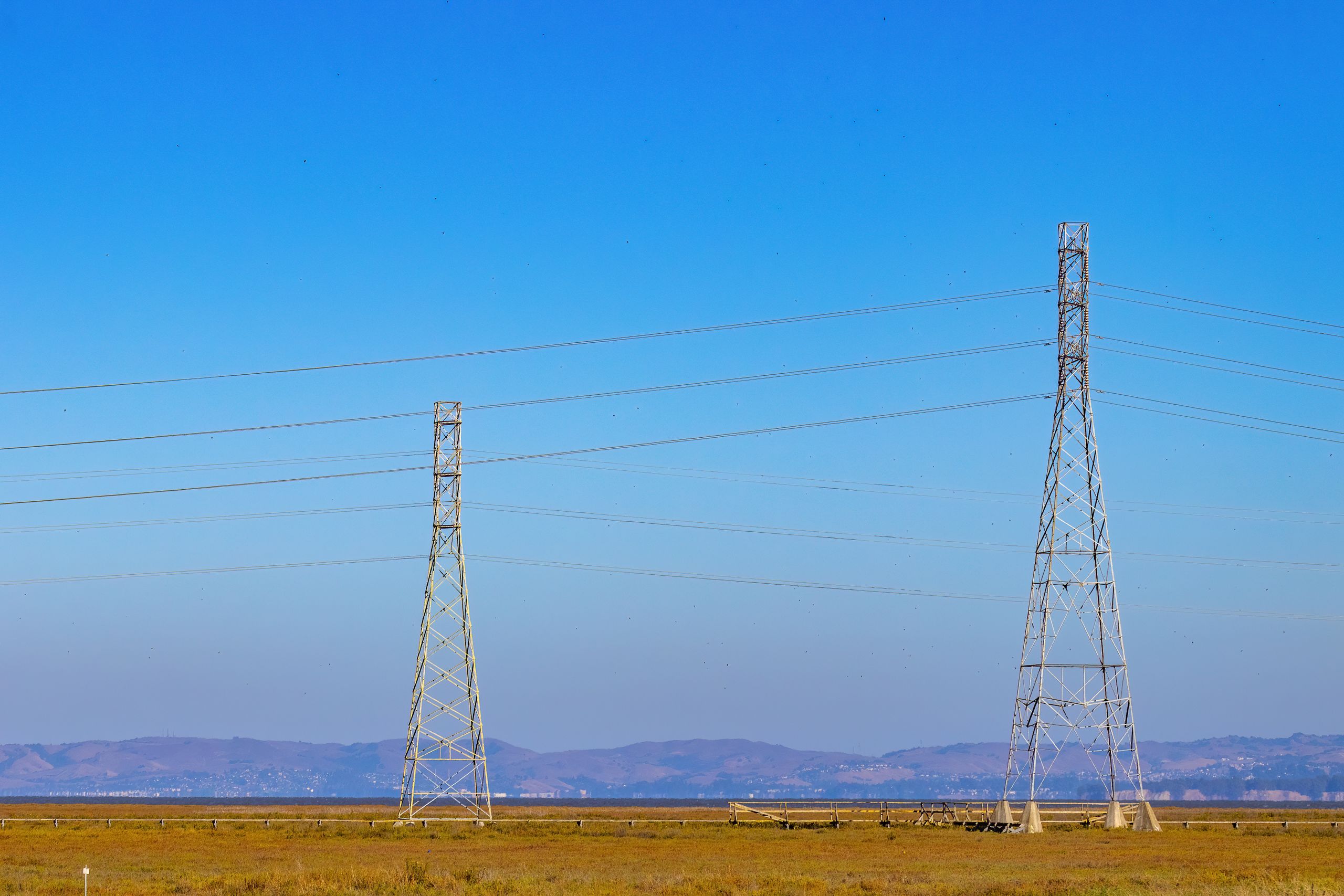
On paper, the new system is a win for California’s clean energy goals. Longer-duration storage means solar power can cover more of the evening demand when households return home, air conditioners run, and electricity use spikes.
State energy planners have long warned about the “duck curve,” where solar production drops sharply just as demand rises. This new 8-hour system is meant to smooth that gap.
But some energy analysts say the real question is not what the battery can do — but how quickly California is scaling systems like it.
Right now, long-duration batteries make up only a small portion of the state’s overall energy storage. That means traditional power plants and shorter-duration batteries are still doing most of the heavy lifting during stress events like heat waves.
Californians Are Split: Progress or Patchwork?
Across the state, the reaction to the new battery has been mixed.
Supporters see it as proof that California is still leading the country in clean energy innovation. They argue that every step toward renewable reliability matters, especially as extreme weather events continue to challenge the grid.
Others are less convinced.
Some residents and industry watchers say the energy transition feels like it is moving faster than the infrastructure supporting it can keep up with. Transmission lines, storage capacity, and grid coordination are all being upgraded at the same time — and not always in sync.
That gap is where concern is growing.
The Hidden Pressure Behind Clean Energy Growth
California has added massive amounts of solar and wind power over the past decade. On sunny afternoons, the state often produces more electricity than it can immediately use.
That surplus is now being stored in batteries, such as the new 8-hour system.
But the challenge comes later in the day.
When the sun sets, demand rises quickly, and the grid must decide how to distribute stored energy while still keeping backup systems ready. During extreme heat events, that balance becomes even more difficult.
The new battery helps extend supply into the night, but it does not entirely eliminate the need for backup generation.
That is where the tension lies.
Why the “8-Hour Breakthrough” Matters
Most grid batteries today operate on four-hour cycles. They are effective for short peak periods but struggle to cover longer stretches of demand.
An 8-hour system changes that equation. It allows stored solar energy to last much deeper into nighttime hours, reducing the immediate pressure on natural gas plants that traditionally fill the gap.
Energy officials say this is a critical step toward a fully renewable grid.
But critics argue that one breakthrough does not solve a system-wide challenge.
They say California is building advanced tools while still relying on an aging transmission network that was not designed for today’s level of renewable complexity.
The Real Debate: Speed vs Stability

This is where the conversation is becoming more heated among Californians.
One side believes the state is moving exactly as it should — aggressively investing in clean energy before climate pressures worsen.
The other side believes the system is being pushed too quickly, leaving residents exposed to reliability risks during peak-demand events.
Both perspectives point to the same reality: California is now operating one of the most complex renewable grids in the world, and every upgrade carries both promise and pressure.
What Residents Are Feeling on the Ground
For many Californians, the debate is not theoretical.
Summer heat waves, rolling blackout warnings in past years, and rising electricity costs have already shaped how people view the grid.
Some residents welcome every new storage project as a step toward stability. Others question whether they are seeing enough immediate improvement in reliability or affordability.
That gap between policy progress and everyday experience is fueling much of the public reaction.
A System Still Under Construction
Energy planners emphasize that California’s grid transformation is still in progress. The state is building renewable generation, storage capacity, and transmission upgrades simultaneously — a process expected to take years.
The 8-hour battery is part of that long-term buildout, not the final stage.
Officials say more long-duration storage projects are already planned or under development, but scaling them statewide will take time, investment, and coordination.
The Bottom Line: Californians Are Debating
The launch of California’s first 8-hour grid battery marks a clear milestone in the state’s clean energy journey. It strengthens storage capacity, improves nighttime reliability, and pushes the grid closer to its renewable goals.
But it also highlights a deeper reality that Californians are now openly debating:
The state is no longer just building clean energy systems — it is actively testing how much pressure those systems can handle in real time.
And for many residents, the question is no longer whether California is innovating fast enough.
It is whether the grid is keeping up.