The Cost of Living in Los Angeles Is Still Squeezing Residents. Here’s What the Latest Data Shows
Los Angeles has always been expensive, but the latest numbers show why many residents feel as if every ordinary decision now comes with a price tag. Rent, gas, groceries, home prices, and commuting costs are all pressing on household budgets at the same time.
The story is not just that Los Angeles costs more. The deeper issue is that everyday life is becoming harder to plan, especially for renters, working families, young professionals, retirees, and anyone trying to stay close to work, school, or family.
Prices Are Still Moving Up

The latest Bureau of Labor Statistics data shows that consumer prices in the Los Angeles area were up 3.6 percent over the year ending in May 2026. That matters because even when the monthly change looks small, the yearly pressure keeps building into household budgets.
For many residents, this does not feel like one big shock. It feels like a slow squeeze at the grocery store, the gas pump, the rent portal, the insurance bill, and the restaurant receipt.
Groceries Are Taking More of the Paycheck

Food prices in the Los Angeles area rose 3.5 percent over the year, while food at home rose 4.5 percent. That means grocery bills are still moving in the wrong direction for families already trying to stretch paychecks.
This hits working households especially hard because groceries are not optional. Families can delay a vacation, skip a night out, or avoid a big purchase, but they still have to buy milk, produce, meat, bread, and school lunch items.
Gas Prices Are Still a Local Pain Point
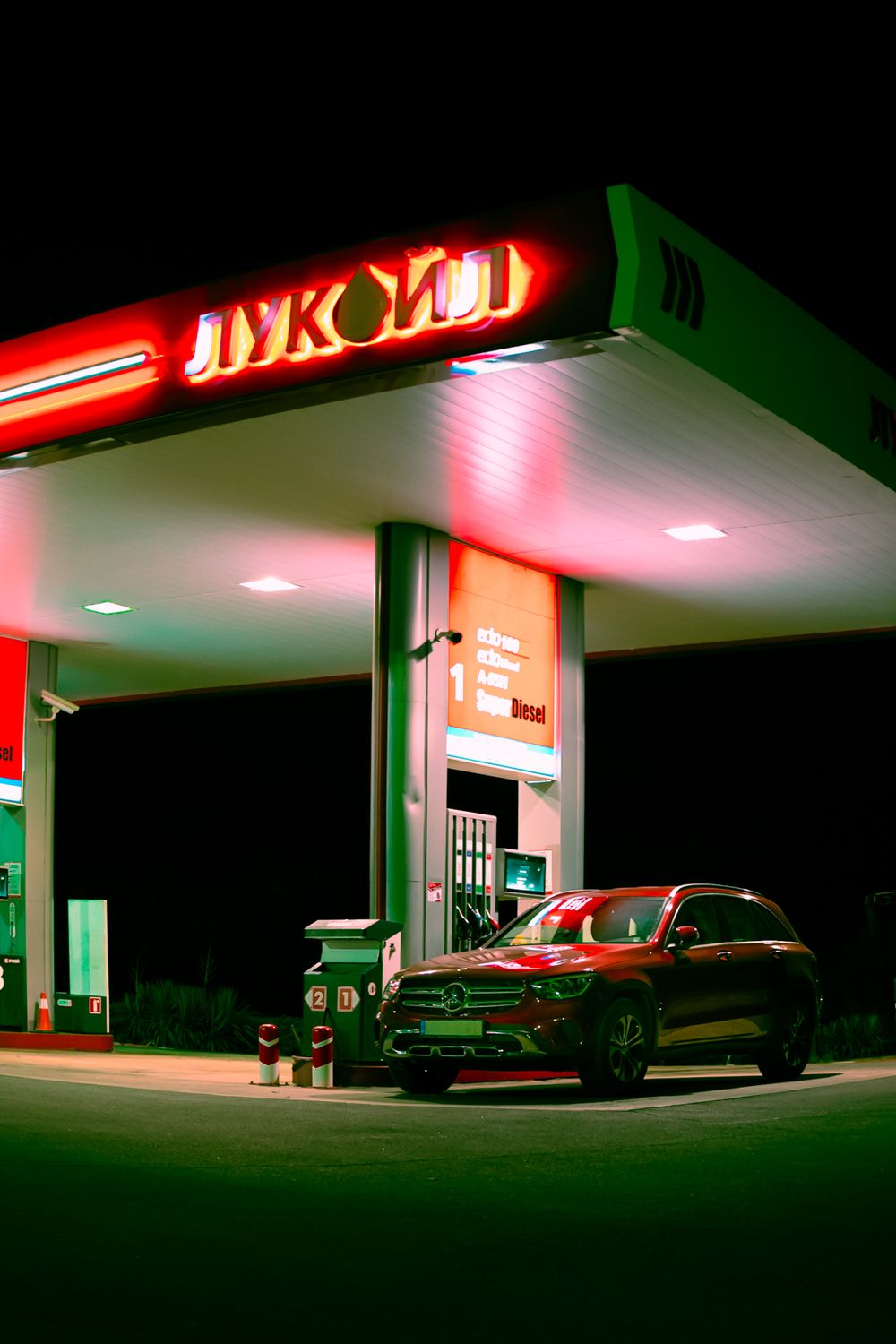
AAA listed regular gas in the Los Angeles Long Beach area at about $5.83 per gallon on June 11, 2026. That is far above the national average and remains one of the clearest daily reminders that living in Southern California can be expensive before a person even gets to work.
The cost is even harder on residents who cannot work from home. A long commute from the Valley, Inland Empire, South Bay, or outer suburbs can turn gas into a weekly budget problem instead of a minor expense.
Rent Is Still a Barrier
Apartments.com data for June 2026 showed average Los Angeles rents at about $1,711 for a studio, $2,183 for a one-bedroom, and $3,018 for a two-bedroom. For many residents, that makes living alone difficult and raising a family inside the city even harder.
This is where the local consequence becomes very real. A renter may not just be choosing between neighborhoods. They may be choosing between living near work, living near family, taking on roommates, delaying savings, or moving farther away and paying more in commute costs.
Homeownership Feels Out of Reach

Zillow listed the average Los Angeles home value at $956,465, even after a 1.2 percent drop over the past year. Redfin reported a median sale price of just over $1 million for May 2026.
That small cooling in prices may sound like good news, but it does not suddenly make the market affordable. When prices are near seven figures, even a slight decline still leaves many middle-income buyers locked out.
Income Is Not Catching the Pressure Fast Enough
The U.S. Census Bureau lists the median household income in Los Angeles at $81,939 in 2024 dollars. On paper, that sounds solid, but it looks very different when matched against rent, gas, food, taxes, insurance, and childcare.
This is the human side of the data. A household can earn what looks like a decent income and still feel financially fragile in Los Angeles because fixed monthly costs take so much before savings even begin.
Renters Carry the Heaviest Burden
Census data shows the owner-occupied housing rate in Los Angeles at just 36 percent. That means most households are renters, and renters are more exposed when leases renew, wages stall, or landlords raise prices.
For many residents, this creates a sense of instability. They may love their neighborhood, their child’s school, or their daily routine, but one rent increase can force a serious conversation about moving.
Commuting Adds Another Hidden Cost
The average Los Angeles commute is about 30.7 minutes, according to Census data. That may not sound extreme in a city known for traffic, but multiplied across a workweek, it becomes a major cost in time, fuel, stress, and lost family hours.
This is why lower rent outside a preferred neighborhood may not always translate to lower costs in real life. A lower monthly payment can disappear quickly when gas, parking, car repairs, and longer commute times are added.
Local Businesses Feel It Too
When residents spend more on rent, gas, and groceries, they often spend less at restaurants, salons, shops, gyms, and entertainment spots. That creates a second wave of pressure across the local economy.
Small businesses depend on customers having money left over after essentials. In a city like Los Angeles, where food service, retail, entertainment, and personal services are major parts of daily life, tighter household budgets can quietly reshape local streets.
The Bigger Picture for Los Angeles
The latest data shows a city that is not collapsing, but still feels financially heavy for many residents. Home prices have softened slightly, yet they remain extremely high. Rent remains expensive, gas is painful, groceries are higher, and incomes do not always stretch far enough.
That is why Los Angeles affordability is not just a housing story. It is a family budget story, a commute story, a neighborhood story, and a question of who can realistically afford to stay.
For residents, the numbers confirm what many already feel every month. Living in Los Angeles still offers opportunity, culture, jobs, weather, and energy, but the price of staying is becoming harder to ignore.