14 Things RV Owners Still Do That Can Get Them Fined
RV rules are getting harder to ignore. These 14 common RV habits can lead to tickets, towing, campground removal, environmental penalties, or unsafe travel if we treat old road habits like legal permission.
RV travel sells a beautiful kind of freedom, but the fine print follows us down every highway. The same rig that feels like a tiny rolling home still counts as a vehicle, a campsite, a wastewater system, a propane carrier, and sometimes even a temporary dwelling under local law. That is where many RVers get caught. They assume “everyone does it” means “it must be allowed,” then discover that a rest stop sign, campground rule, tunnel restriction, zoning code, or state license class can turn a normal road trip habit into an expensive mistake.
The rules are not always dramatic, but they are getting easier to enforce. More public lands use stay limits. More cities monitor oversized vehicle parking. More parks restrict generators, campfires, graywater, and campsite behavior. State license classes can also matter once a rig and trailer cross certain weight ratings. We can still enjoy RV life, but we have to treat the road like a patchwork of laws rather than a single big permission slip.
Staying too long on BLM land
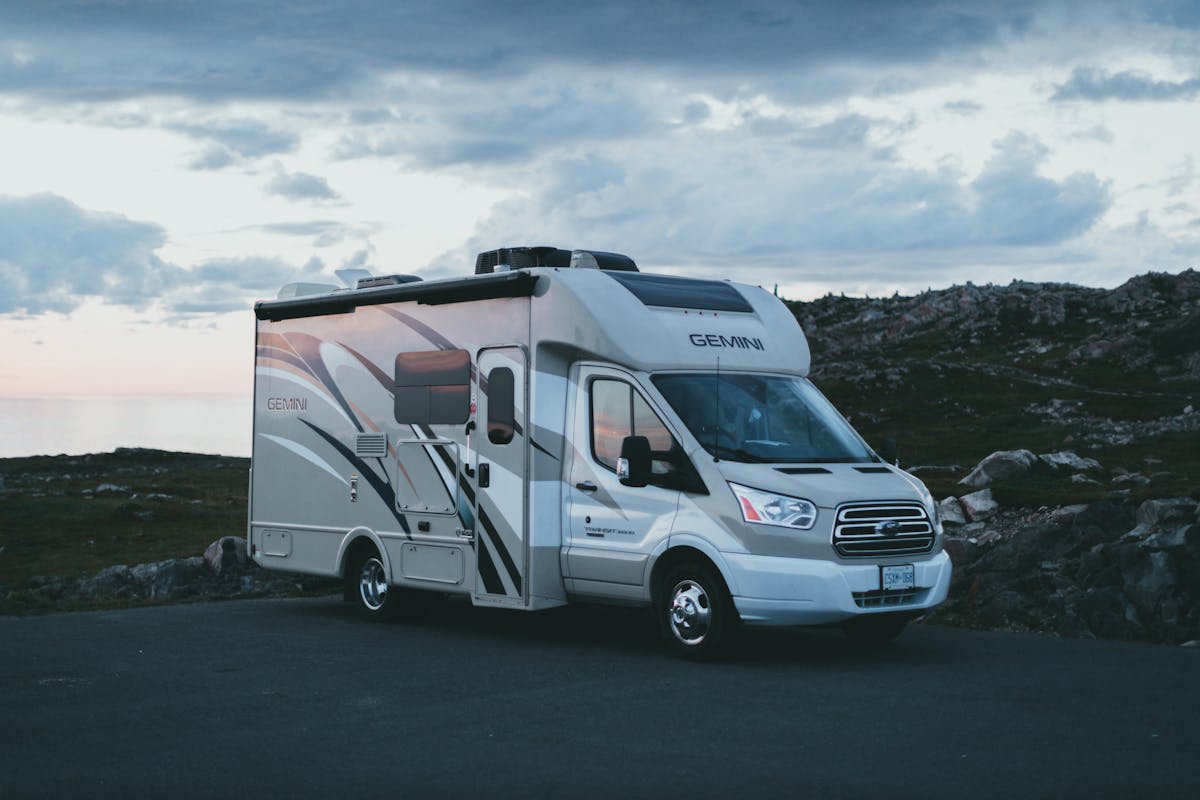
Boondocking on public land is one of the best parts of RV travel, but it is not the same as claiming a private campsite for the season. The Bureau of Land Management says dispersed camping is generally limited to 14 days within any 28-day period, though limits can vary by state and field office. After reaching the limit, visitors often must move to a new location, usually at least 25 to 30 miles away.
This rule catches RVers who treat public land like an unlimited free RV park. A few extra days may seem harmless, but overstaying puts pressure on fragile areas, blocks access for other visitors, and draws the attention of enforcement. The safest habit is to note arrival dates, photograph posted signs, check the local BLM office guidance, and move before the clock becomes a problem. Public land access stays generous only when users respect the limits that keep it open.
Sleeping overnight at rest stops after the posted limit.
Rest stops feel like the most natural place to pull over when we are tired, but a rest area is not always a free overnight campground. Some states allow drivers to rest for safety, yet restrict camping, extended parking, alcohol use, or sleeping beyond a short stop. North Carolina’s Department of Transportation, for example, says loitering, camping, consuming alcoholic beverages, and staying overnight are prohibited at its rest areas.
The risky part is the assumption. An RVer may see other rigs parked in a row and decide it is safe to stay until morning. That can work in one state and fail in the next. Signs control the moment, and local patrols can ask drivers to move, issue a ticket, or treat the stay as prohibited camping. The smarter move is to use rest areas for actual rest, then reserve true overnight stays for campgrounds, truck stops that allow RVs, public lands where camping is permitted, or private lots where management gives permission.
Letting passengers roam around while the RV is moving
A moving motorhome is still a moving vehicle, even if it has a sofa, bed, kitchen, and bathroom. RV passenger laws vary by state, and the number of sleeping spots does not always equal the number of legal belted travel seats. Progressive’s RV passenger guidance highlights that laws vary by state and recommends limiting passengers to the number of available seat belts.
The casual version of RV travel often shows someone making sandwiches, walking to the bathroom, lying in bed, or sitting at the dinette while the vehicle rolls down the highway. That may feel normal inside a big motorhome, but it can create legal and safety risks, especially for children. We should treat travel time and camping time as two different modes.
When the wheels move, passengers should use proper seating and restraints. The living room can wait until the parking brake is set.
Dumping gray water on the ground
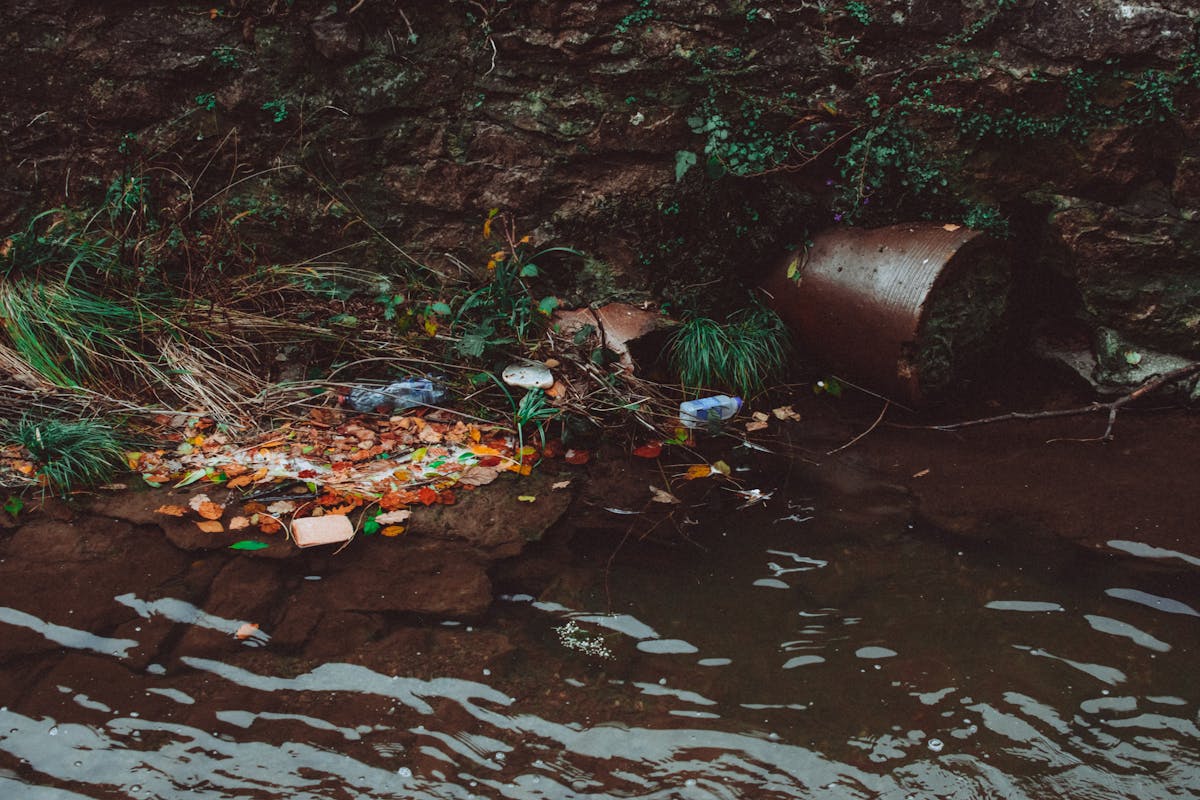
Gray water sounds harmless because it usually comes from sinks and showers, but it can still carry soap, grease, food scraps, bacteria, and chemicals. The EPA warns that chemicals from RV and mobile home wastewater can pollute soil and groundwater when discharged improperly, especially when holding tank chemicals enter septic or treatment systems.
This is one of the classic RV shortcuts that can turn ugly fast. A gray tank fills up, the nearest dump station is miles away, and the ground looks dry enough to “absorb it.” That thinking ignores campground rules, park regulations, local wastewater ordinances, wildlife concerns, and the fact that gray water can attract pests. The Forest Service tells campers with trailers to dispose of waste and gray water at dump stations located at many Forest Service campgrounds, which is a good baseline for responsible travel.
Treating dispersed camping like permanent living
An RV can feel like home, but many public land agencies do not allow dispersed camping to become a long-term residence. BLM describes dispersed camping as short-term recreational use, not long-term living, except in rare designated Long Term Visitor Areas.
That distinction matters. A week of quiet camping is one thing. Another is setting up a semi-permanent compound with extra storage, outdoor furniture, trash piles, damaged vegetation, and a rotating campsite strategy. Land managers often watch for signs that a recreational stay has crossed into unauthorized occupancy.
We can avoid trouble by keeping campsites light, clean, temporary, and movable. If the goal is months of winter camping, designated long-term areas or private RV parks are safer than pushing dispersed camping rules until a ranger gets involved.
Driving a heavy RV or tow setup with the wrong license
Many RV owners assume a regular driver’s license covers any recreational vehicle because the trip is personal, not commercial. That is not always true. Texas states that people exempt from a commercial driver’s license may still need a Class A or Class B driver’s license when the vehicle meets certain weight requirements, including RV operators using vehicles for personal use.
A Texas Class A license covers combinations with a gross combination weight rating of 26,001 pounds or more when the towed vehicle weighs more than 10,000 pounds.
Pennsylvania gives a clear example of an RV, too. Its license guidance says a Class A license is required for certain combinations rated at 26,001 pounds or more when the towed vehicle exceeds 10,000 pounds, and a Class B license is required for single vehicles rated over 26,000 pounds, including motor homes.
The trap is sticker weight, not just how the rig “feels” on the road. We should check the GVWR and GCWR plates, not guess based on length or brand. If the rig crosses a state’s threshold, the wrong license can become a serious problem during a traffic stop, crash investigation, roadside inspection, or insurance claim.
Towing without the required brakes and safety setup
Towing laws vary by state, but the basic legal risk is simple. A heavy trailer, fifth wheel, tow dolly, or flat-towed vehicle may require brakes, safety chains, breakaway systems, lights, mirrors, and other equipment. Federal commercial vehicle rules require breakaway braking for certain trailers that must be equipped with brakes, and many state rules impose their own requirements for recreational towing setups.
This is where “we made it last time” becomes dangerous. A rig can tow fine on flat highways but can become illegal or unsafe in the mountains, in traffic, in rain, or during emergency stops. Police may never inspect the setup until there is a crash, and then every missing safety component matters.
We should match the tow vehicle, hitch, brakes, breakaway cable, chains, wiring, and weight ratings before the trip. The trailer should not merely follow the RV. It should stop, signal, and separate safely if something fails.
Carrying open alcohol in the living area while driving

Some RVers think the coach area is different from the passenger compartment of a regular car. Open container laws often say otherwise. NHTSA describes model open container laws as prohibiting the possession and consumption of alcoholic beverages in motor vehicles, covering the entire passenger area, applying to all occupants and all vehicles on public highways, and allowing primary enforcement.
That matters in a motorhome because the “house” is still moving on a public road. A passenger drinking at the dinette may look harmless to the group, but state law may treat the living area as part of the vehicle’s passenger space. Rules differ by state, and some states have exceptions, but crossing state lines can change the answer quickly. The safe rule is simple. Keep alcohol sealed and stored away while driving, then enjoy it only after the RV is legally parked for the night.
Taking propane through restricted tunnels
Propane rules can blindside RVers because the tank is built into the lifestyle. Refrigerators, stoves, furnaces, and water heaters often depend on it. Yet some bridges and tunnels restrict the transport of propane or other hazardous materials. The Maryland Transportation Authority says vehicles carrying bottled propane gas weighing more than 10 pounds per container, with a maximum of 10 containers, are prohibited from using the Fort McHenry Tunnel and the Baltimore Harbor Tunnel.
Tunnel rules in New York and New Jersey can be strict, too. The Port Authority lists recreational vehicle restrictions for the Lincoln Tunnel, and its trucking guidance states that propane may not be transported through the Lincoln or Holland Tunnels or across the lower level of the George Washington Bridge.
The fix is route planning. We should not let a navigation app choose blindly for a propane-carrying rig. RV safe routing, posted hazmat signs, bridge and tunnel authority pages, and alternate routes matter more than saving 12 minutes.
Running generators through quiet hours
A generator can feel like survival equipment in hot weather, cold weather, or a dry campsite with no hookups. Campground rules still matter. Some parks allow generators only during specific windows. Big Bend National Park, for example, lists quiet hours from 10 p.m. to 6 a.m. and limits generator use by campground and designated areas.
Yosemite also restricts generator use to specific time windows and says it is not allowed at other times.
This is one of the quickest ways to become the villain of a campground loop. Noise complaints can lead to warnings, removal, or future reservation problems. We should charge batteries during legal hours, use solar where possible, choose electric sites during extreme weather, and keep medical needs documented with the campground office. Quiet hours are not suggestions. In many public parks, there are enforceable rules.
Ignoring campground occupancy and site rules
Campground rules may feel less serious than state law, but breaking them can still get us removed, fined, or banned from future reservations. State and national parks often regulate noise, vehicles, pets, fires, generator use, campsite capacity, dump station use, visitor hours, and parking. Missouri State Parks, for example, lists quiet hours from 10 p.m. to 6 a.m. and requires that noise-generating devices be powered off during that period.
The biggest mistake is treating a reserved campsite as private property. It is still managed land with shared infrastructure and enforceable rules. Extra vehicles, extra tents, loud music, dogs off-leash, washing dishes at water spigots, and draining tanks at the site can all cause problems. The best RVers read the campground rules before leveling the rig. That habit protects the trip, the neighbors, and the reservation account attached to our name.
Building campfires during burn bans or outside approved rings
A campfire feels like part of the RV dream, but fire rules can change overnight. The National Park Service reminds visitors that each park has its own rules on where and when campfires are allowed, and dry or windy conditions may lead to bans or special restrictions.
BLM also says fire restrictions and temporary public land closures are used to reduce wildfire risk, often focusing on human-caused activities such as campfires, off-road driving, equipment use, and recreational target shooting.
The danger is habit. Someone sees an old fire ring and assumes it is legal. Someone brings charcoal during a period when only gas stoves are allowed. Someone leaves the coals warm because the night got cold. Fire violations can carry fines, but the greater risk is liability for damages. We should check current restrictions before arrival, use only approved rings, fully extinguish fires, and skip flames entirely when conditions demand it.
Parking an RV long-term on residential streets
Residential RV parking is becoming a flashpoint in many cities. Some places allow short loading windows. Others limit oversized vehicles by hour, length, street type, permit status, or neighborhood zone. Denver’s parking guidance reminds drivers that not all parking laws are posted, and residents need to know the rules to avoid tickets.
Local codes can be even more direct. One municipal code example states that RV storage is prohibited within the public right-of-way or city public parking lots, and that an RV cannot be used as a temporary dwelling except in RV parks.
This rule catches people who treat the curb as a dumping ground. A parked RV can block sightlines, narrow streets, occupy scarce parking spaces, or trigger complaints. We should check the city code before parking for extended periods, avoid sleeping on residential streets unless clearly allowed, and use storage lots when the RV is not being actively loaded, cleaned, or driven.
Living full-time in an RV on private property without local approval
Owning the land does not always mean we can legally live in an RV on it. Zoning, septic, utilities, occupancy, permits, and health rules can all apply. Recent reporting on Texas RV living noted that there is no single statewide rule allowing or banning full-time RV living; local regulations decide the issue, and San Antonio restricts RV dwelling on personally owned land except under specific circumstances, such as RV parks or temporary construction-related situations.
This is where RV life collides with housing law. A family may park behind a house to save money, help relatives, or live during renovations. The city may see an unpermitted dwelling unit, an illegal utility connection, or a sanitation issue. Before turning an RV into a backyard home, we should check zoning, building, health, and septic rules. A legal RV pad with permits is very different from a hidden extension cord and a garden hose.
Extending slides, awnings, steps, or gear into public space
Slides, awnings, folding steps, chairs, grills, mats, and outdoor kitchens can turn a parked RV into a comfortable campsite. They can also turn a public parking space into an obstruction. Rest areas, streets, store lots, ferry queues, scenic pullouts, and trailhead parking areas are not campsites unless the rules state otherwise. North Carolina’s rest area rules prohibit camping and loitering, a term that can apply when a quick stop becomes a full outdoor setup.
This behavior often starts innocently. Someone opens a slide to reach the refrigerator. Someone drops the steps onto the sidewalk. Someone rolls out an awning for shade in a parking lot. The problem is clearance, access, and the visibility of the signal that the RV is camping rather than parking. We should keep the rig compact anywhere that is not a campsite. If the RV needs slides to function, it belongs in a space designed for that footprint.
Dumping black water anywhere outside an approved system
Black water is the tank nobody treats casually. It contains human waste, toilet paper, chemicals, and whatever else went into the RV toilet. Dumping it into a ditch, storm drain, field, pit toilet, roadside culvert, or any random septic system can pose health risks and cause environmental damage. EPA guidance on RV wastewater warns that improperly discharged chemicals and untreated wastewater may contaminate wells, rivers, streams, soil, and groundwater.
The old “nobody will know” approach is a terrible gamble. Campgrounds, public lands, parks, and municipalities can treat illegal dumping as a serious violation because the cleanup burden can land on taxpayers or land managers. We should only empty black tanks at approved RV dump stations, at full-hookup sewer connections, or at properly approved wastewater systems. If a site does not clearly accept RV waste, we should assume it does not.
Conclusion
RV freedom still exists, but it now rewards the travelers who read signs, check local rules, and plan like adults. The habits that create problems are rarely wild. They are the small shortcuts that feel normal after years of seeing other people do them.
We should treat every RV trip as a moving checklist. Confirm where we can sleep, where we can dump tanks, how long we can stay, what our license covers, where propane is restricted, and which campground rules apply before the wheels roll. That kind of preparation does not ruin the adventure. It keeps the adventure from ending with a knock on the door, a fine on the windshield, or a ranger asking us to leave.