Trump Says Sea Drug Traffic Is Down 97%. DEA Findings Suggest Cartels Just Changed Lanes
The most revealing number in America’s latest drug war may not be 97 percent. It may be zero. That is close to the lasting change investigators reportedly found in key measures of the cocaine market after months of U.S. military strikes on suspected trafficking vessels.
President Donald Trump has repeatedly said his administration reduced drugs entering the United States by sea by 97 or 98 percent. A Drug Enforcement Administration assessment reviewed by The Washington Post reportedly reached a different conclusion, finding that traffickers adapted, redirected shipments and kept cocaine moving.
The story is no longer simply about boats destroyed in the Caribbean. It is about whether Washington is measuring the drug war by what disappears from radar screens or by what still reaches American streets.
The statistic that sounded like victory

Trump’s 98.2 percent figure came from a dramatic decline in Customs and Border Protection seizures within the agency’s coastal and interior region.
CBP seized 223,923 pounds of cocaine, fentanyl, heroin, marijuana and methamphetamine in July 2025. The total fell to 4,463 pounds in November, producing the percentage Trump later promoted.
The calculation was mathematically accurate. However, experts told The Associated Press that it did not measure all drugs transported into the country.
Seizure statistics reveal what authorities caught. They cannot show how much passed through undetected.
Lower seizures can also have several meanings. Traffickers may be carrying less, but they may also be avoiding patrols, changing jurisdictions or selecting routes that are harder to monitor.
By March 2026, coastal and interior seizures had risen to 28,500 pounds. That rebound showed why a comparison between two isolated months could not establish a permanent 98 percent collapse in maritime trafficking.
Cartels did not stop. They adjusted
The DEA assessment reportedly found that the military strikes had not produced a lasting reduction in the price or supply of cocaine inside the United States.
The campaign initially disrupted established routes. Prices increased, and violence intensified around parts of the trade, according to The Washington Post. Then the market settled.
Prices returned to earlier levels, and investigators found that cocaine remained available. Pentagon officials also reportedly told lawmakers that seized cocaine continued to show high purity, another sign that suppliers were not facing a severe shortage.
Dealers confronting scarce supplies often dilute their products to extend inventory. Consistently high purity suggests the pipeline is still delivering enough cocaine to satisfy demand.
Smugglers simply changed how they moved.
Trafficking groups reportedly began using larger vessels, remaining closer to coastlines and avoiding international waters where U.S. forces were more likely to strike. Others placed drugs aboard commercial ships or increased their reliance on aircraft departing from clandestine airstrips near the Colombia-Venezuela border.
The pattern resembles a highway closure that pushes traffic onto side streets. The main road becomes quieter, but the destination remains crowded.
A military campaign designed to create pressure
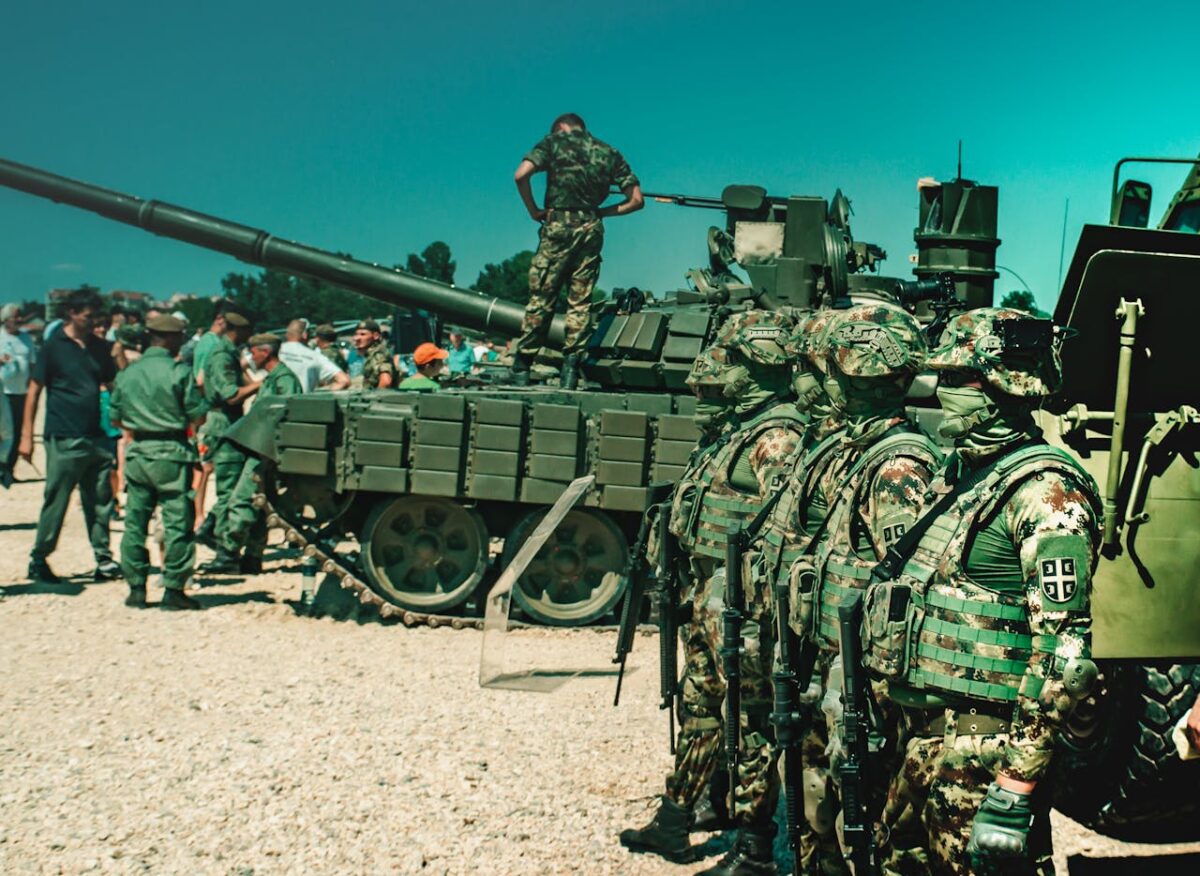
Operation Southern Spear was launched to disrupt narcotics trafficking by organizations the administration designated as terrorist groups.
A federal inspector general report said the mission primarily involved lethal airstrikes against small vessels suspected of carrying drugs through the Caribbean Sea and eastern Pacific Ocean. From September 2025 through March 2026, the military struck at least 45 boats, killing or leaving 156 people presumed dead.
The White House argues that the operation has created meaningful deterrence.
Spokesperson Anna Kelly said the campaign eliminated alleged traffickers while discouraging others from attempting similar journeys. Pentagon spokesperson Sean Parnell argued that forcing trafficking organizations to change routes and accept higher risks creates “systemic friction” across their networks.
That defense is not meaningless. Making smuggling slower, riskier and more expensive can weaken criminal organizations over time.
But disruption is not elimination.
A military campaign can force cartels to work harder while failing to reduce the cocaine available in American communities. Both outcomes can exist at the same time.
The hidden cost of destroying the evidence
One of the assessment’s most troubling findings concerns the possible effect on traditional drug investigations.
Agents often build cases from the bottom upward. They use couriers, seized phones, navigation records and informants to identify coordinators, financiers and cartel leaders.
The Washington Post reported that some informants were being withdrawn because officials feared they could be killed during American strikes. Destroying a suspected smuggling vessel may eliminate one shipment, but it can also destroy evidence that could expose a much larger network.
That creates a difficult tradeoff.
The military produces an immediate and highly visible result. Investigators may lose the quieter opportunity to follow the chain toward the people organizing the trade.
The real test is waiting on American streets

The administration’s strongest evidence will not come from the number of boats attacked or the amount of drugs seized during one carefully selected month.
It will come from sustained changes in cocaine price, purity and availability.
When a major supply route truly collapses, the market normally reacts. Prices rise, products become harder to obtain, and dealers dilute remaining supplies.
If those indicators remain stable, claims that the maritime pipeline has been almost completely closed will remain difficult to defend.
What we are seeing is not a vanished drug route. It is a moving map.
Cartels do not need every vessel to survive. They need enough successful shipments, enough profit to absorb losses, and enough alternative routes to remain ahead of enforcement.
The real test of Operation Southern Spear is not whether traffickers became afraid of the sea. It is whether American communities became meaningfully safer.
So far, the reported DEA assessment suggests the cartels did not surrender. They changed lanes.