10 Household Items You Should Never Clean With Dish Soap
Dish soap is a kitchen staple, famous for cutting through grease and leaving dishes sparkling. But using it on every surface in your home can backfire, sometimes causing damage you didn’t expect. From delicate fabrics to high-tech gadgets, dish soap can strip finishes, ruin seasoning, or leave stubborn residue. Knowing where to avoid it will save your furniture, cookware, and appliances from costly repairs. Here are 10 items that should never come into contact with dish soap, and what to use instead.
Dishwashers and Coffee Makers
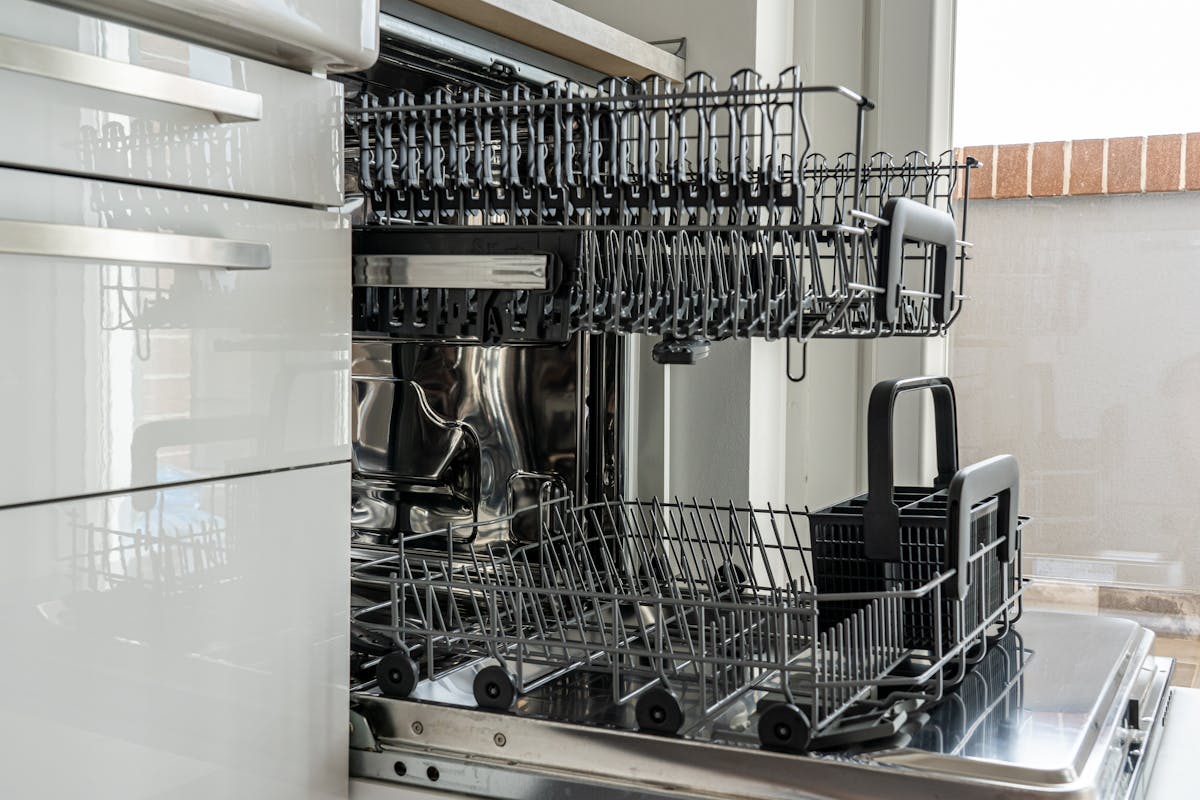
Using dish soap in a dishwasher is a recipe for disaster. Excess suds can overflow, damage pumps, and flood kitchen floors. Coffee makers also retain soap residue in tubes and reservoirs, which can affect taste.
Stick to appliance-specific detergents or descaling solutions. These products safely remove buildup without leaving harmful residue or causing mechanical problems.
For coffee makers, a simple water-vinegar rinse helps remove mineral deposits while keeping the taste clean and fresh.
Wood Furniture and Flooring
Wood may look sturdy, but it’s surprisingly sensitive to strong cleaning agents. Dish soap can strip protective coatings and natural oils, leaving wood dull and dry. Over time, repeated exposure may cause warping, cracks, or even permanent damage.
Instead, stick to a pH-neutral wood cleaner or a lightly damp cloth with minimal moisture. Always wipe wood dry immediately after cleaning to maintain its natural finish and prevent water stains.
Even minor spills should be treated carefully, as soap residue attracts dust and grime, creating a dull, dirty appearance that’s tough to reverse.
Natural Stone Countertops
Marble, granite, and other natural stones rely on sealants to remain stain- and scratch-resistant. Dish soap can break down these protective layers, leaving surfaces vulnerable to etching, dulling, and discoloration.
For everyday cleaning, use a stone-safe, pH-neutral cleaner. Avoid acidic or abrasive agents that might compromise the sealant or scratch the surface.
Rinse thoroughly and dry with a soft microfiber cloth to keep the stone looking polished and maintain its long-term durability.
Cast Iron and Seasoned Cookware
Seasoned cast iron relies on its built-up layer of oil to stay nonstick. Dish soap removes oils, stripping seasoning and leaving the pan vulnerable to rust.
Clean cast iron with hot water and a stiff brush, or use coarse salt as a gentle abrasive. Dry immediately and apply a light layer of oil to maintain the nonstick surface.
Even a small amount of soap can start to degrade seasoning, so it’s best to reserve dish soap for items that aren’t cast iron or carbon steel.
Mirrors and Glass
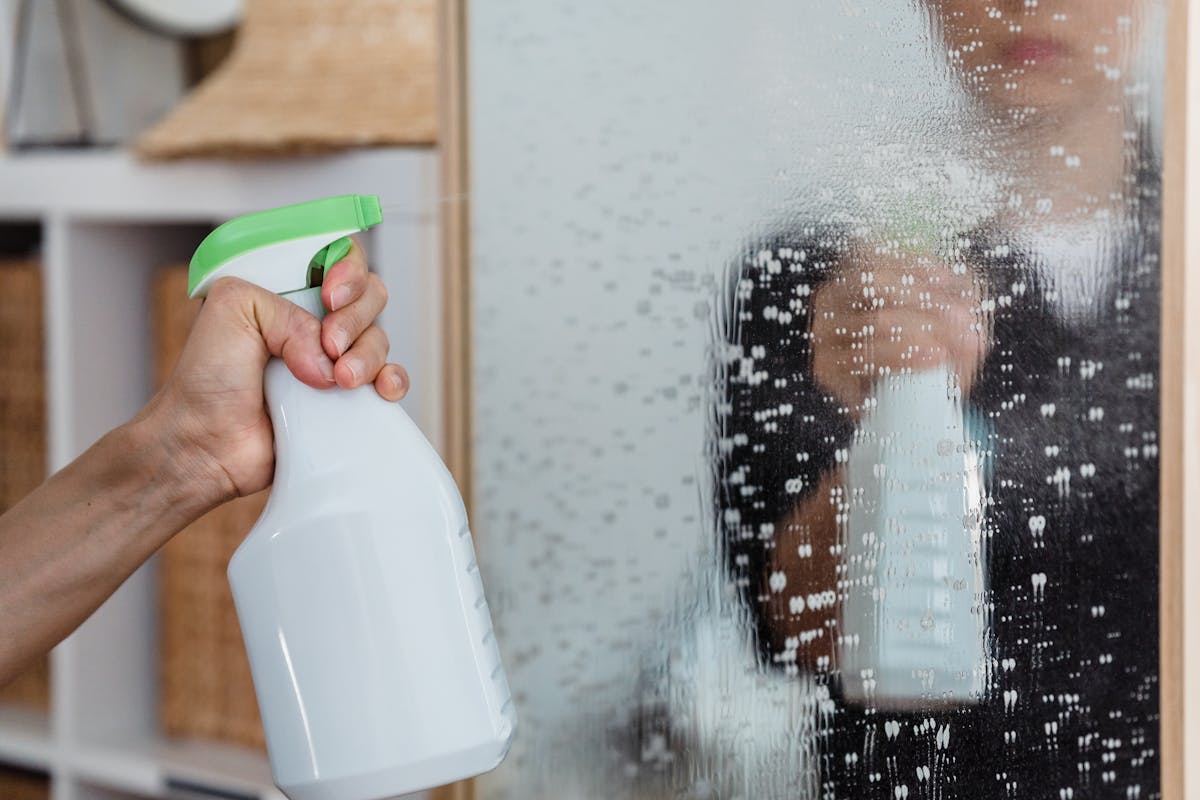
Dish soap can clean glass, but it often leaves streaks or a filmy residue that’s hard to remove. This can make mirrors or windows look cloudy and reduce visibility.
Use an ammonia-free glass cleaner or a diluted vinegar solution with a microfiber cloth for a streak-free shine. Avoid excessive scrubbing, which can scratch delicate surfaces.
Consistent use of the proper cleaner keeps glass surfaces crystal clear and avoids the time-consuming hassle of later streak removal.
Leather and Delicate Fabrics
Leather requires natural oils to stay supple. Dish soap strips these oils, causing dryness and cracks. Silk and other delicate fabrics can weaken or lose their sheen when exposed to harsh soaps.
Choose leather conditioners or gentle silk-specific detergents. Spot-test first and avoid soaking delicate items to maintain fiber integrity.
Regular maintenance with appropriate cleaners keeps materials soft, vibrant, and long-lasting.
Soft Metals and Jewelry
Soft metals like gold, brass, and copper can tarnish when exposed to dish soap. Plated jewelry may lose its finish or develop uneven discoloration.
Polish metals with specialized cleaners designed for the specific material. This preserves luster and prevents corrosion while keeping delicate finishes intact.
Routine care with the right products extends the life of treasured items and prevents costly replacements.
Car Paint and Automotive Surfaces
Dish soap removes protective wax on car paint, leaving it vulnerable to sun damage, oxidation, and scratches. Frequent use can accelerate wear and fading.
Use car-specific shampoos that clean effectively without stripping wax or coatings. Rinse thoroughly and dry with a microfiber towel to maintain a glossy finish.
This simple swap protects your vehicle and keeps it looking showroom-ready for years.
Fine China and Collectibles
Dish soap may be safe for everyday dishes, but vintage china or collectible ceramics often have delicate glazes that can dull or chip.
Clean with warm water and a soft sponge or brush. Avoid harsh soaps or scrubbing pads that risk scratching intricate patterns or removing gold trim.
Proper cleaning preserves the beauty and value of your heirlooms, allowing them to remain showpiece items for generations.
Screens and Electronics

TVs, monitors, and tablets have sensitive coatings that dish soap can damage. Residue can create streaks, reduce touch sensitivity, or harm anti-glare coatings.
Use screen-safe cleaners and microfiber cloths. Spray cleaner on the cloth, not directly on the screen, to avoid liquid seeping into the device.
This keeps displaying clearly, functionally, and free of scratches or buildup.
Conclusion
Dish soap is highly effective for dishes but unsuitable for many household items. Wood, stone, cast iron, and delicate fabrics require specialized care to prevent damage and maintain longevity.
Appliances, electronics, and automotive surfaces are particularly vulnerable to soap residue, foam, or stripping effects. Using the right cleaning solution ensures functionality, aesthetic appeal, and safety.
Regular maintenance with appropriate cleaners protects investments, prevents costly repairs, and keeps your home, valuables, and tools in optimal condition.