9 Overpriced Items We Can No Longer Justify Buying
Inflation, global supply chain issues, and the rising cost of living have made certain everyday items a luxury many of us can no longer afford. From entertainment to groceries, the list of products and services stretching budgets has grown alarmingly. In this article, we explore the most noticeable items that have spiked in price and examine why they’ve become increasingly difficult to justify purchasing.
The rising cost of these items affects our budget and daily spending, forcing consumers to rethink priorities. Some goods, once considered affordable staples, now demand careful financial consideration. Understanding these price shifts helps households make informed decisions and adapt to an economy where nothing seems cheap anymore.
Airline Travel and Ticket Costs

Airfare, especially for domestic flights, has climbed substantially due to fuel price fluctuations and staffing shortages. Last-minute bookings and popular routes can easily exceed historical averages, leaving both leisure and business travelers challenged. Families and solo travelers alike are reconsidering trips or delaying travel plans in favor of virtual alternatives.
This trend forces travelers to adopt flexible strategies, from booking months in advance to exploring alternative airports. The combination of rising airfare and associated hotel costs underscores the importance of entertainment planning and careful spending for meaningful experiences.
Organic and Specialty Groceries
Organic fruits, vegetables, and specialty health foods have seen sharp price increases. Consumers are paying a premium for products labeled “organic” or “gluten-free,” sometimes double the cost of conventional alternatives. While healthier options remain desirable, the higher price is a barrier for many households trying to manage their budget.
Price volatility in global agriculture, combined with rising transportation costs, has made premium grocery items a persistent challenge. As a result, shoppers often balance nutritional benefits against their financial goals, prioritizing affordability over trends or labels that once felt essential.
Premium Coffee and Café Drinks

Daily visits to coffee shops now represent a noticeable strain on monthly expenses. With specialty lattes and cold brews often priced above $5, the cost adds up quickly for habitual consumers. Making coffee at home has become an economical alternative, offering the same enjoyment without the repeated expense.
Cafés cite ingredient quality, rent increases, and staffing costs as reasons for the uptick, yet consumers have adapted by investing in home espresso machines or by brewing at home. These small lifestyle changes allow coffee enthusiasts to maintain their daily ritual while protecting their well-being and financial stability.
Movie Theater Experiences
A night at the movies has become a premium experience rather than a casual outing. Ticket prices, combined with overpriced snacks and drinks, can now exceed $70 for a small group, pushing families to wait for streaming options instead. The convenience of home entertainment makes traditional theater visits harder to justify, even for popular releases.
Theaters have struggled with post-pandemic costs, from staffing shortages to sanitation expenses, all of which are passed on to patrons. With streaming services expanding and offering early releases, the perceived value of theater attendance has diminished, leaving consumers questioning the expense for a few hours of entertainment.
Brand-Name Apparel
Designer clothing and shoes have surged in price, making casual luxury a rarity. A single branded item can now rival a month’s worth of basic necessities, compelling many to shift toward secondhand or off-brand alternatives. Fashion-conscious shoppers are learning that prestige often comes at an unsustainable cost.
Global textile shortages and tariffs on imported materials have further driven prices up, amplifying the gap between perception and practicality. Consumers now weigh style against self-love and budget, sometimes prioritizing personal comfort and wardrobe versatility over labels.
Streaming Subscriptions and Digital Entertainment Bundles
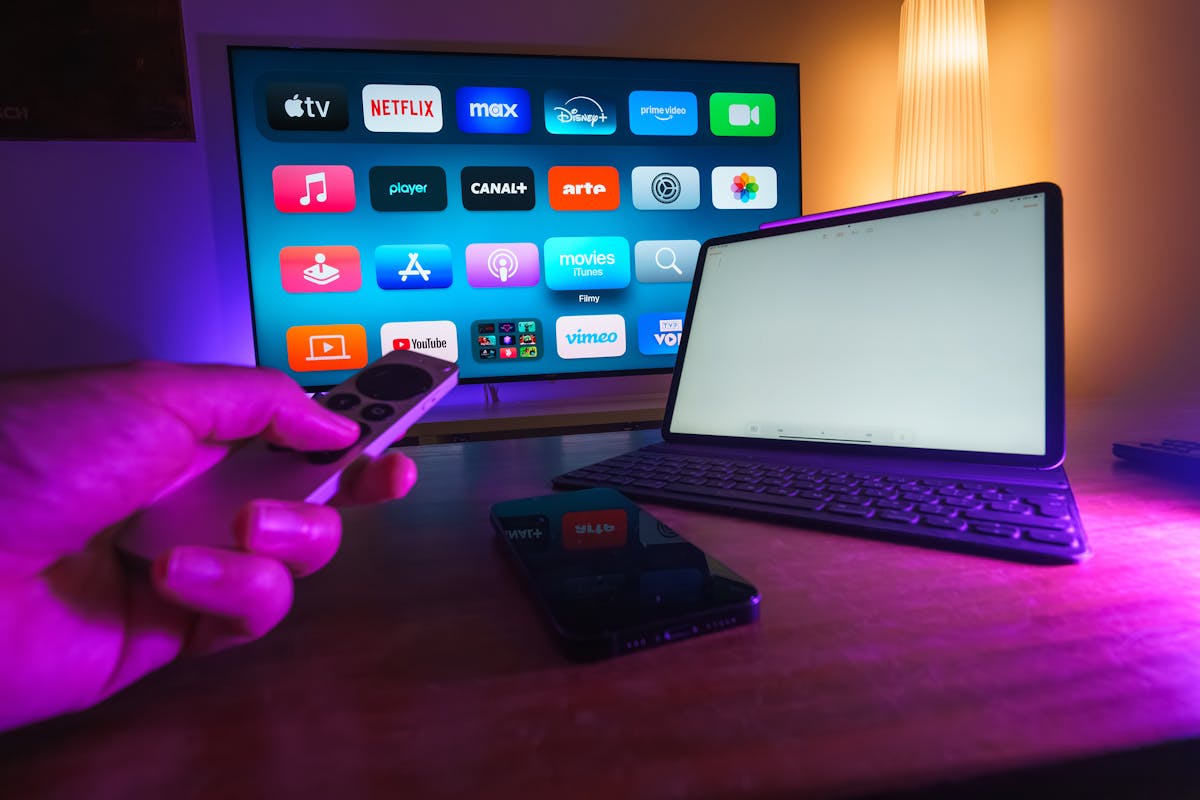
Subscriptions to multiple streaming platforms add up quickly, sometimes totaling more than traditional cable used to. Consumers increasingly evaluate which services they actually use, trimming excess to preserve their budget. Digital entertainment remains central to leisure, but cost-conscious users must prioritize platforms offering the most value.
Bundled offers, promotional trials, and seasonal access can offset some expenses, yet the cumulative effect requires ongoing assessment. Strategically managing digital subscriptions ensures continuous access to entertainment without undermining overall financial health.
Fitness Studio Memberships
Boutique gyms and specialized fitness classes have transformed into premium services. Monthly memberships often cost more than double compared to pre-pandemic rates, prompting enthusiasts to pivot toward home workouts or online sessions. While convenience and community remain attractive, the price point excludes some from participation.
Membership inflation results from higher operational costs, limited class sizes, and enhanced amenities. This economic reality encourages a hybrid approach where individuals balance in-person experiences with affordable at-home routines, optimizing both wellness and mental health outcomes.
Electronics and Consumer Tech
Smartphones, laptops, and other electronics continue to rise in price, driven by chip shortages and high demand. Upgrading devices has become a deliberate choice rather than an impulse purchase. For many, delaying new technology purchases is necessary to maintain financial equilibrium.
The allure of the latest features competes with practical budget considerations, prompting consumers to consider refurbished or older models. Awareness of these trends empowers individuals to plan technology investments strategically, ensuring longevity without unnecessary financial strain.
Dining Out at High-End Restaurants

Even a casual dinner at a premium restaurant can now disrupt monthly budgets. Menu inflation, ingredient scarcity, and labor costs have collectively driven up dining prices, forcing many to opt for home-cooked alternatives. Social experiences remain valuable, but the cost often outweighs the convenience.
To enjoy fine dining without overspending, consumers explore weekday specials, make early reservations, or opt for shared plates. These strategies balance lifestyle satisfaction with responsible spending, reinforcing the connection between relationship building and financial mindfulness.
Key Takeaway
The rising costs of everyday items, from entertainment and travel to groceries and apparel, have reshaped consumer habits. Adapting requires careful planning, prioritization, and embracing alternatives that align with both lifestyle and budget goals. Recognizing these shifts allows individuals to maintain quality of life while navigating a marketplace where affordability is increasingly elusive.
Which of these overpriced items have you cut from your spending first, and how has it changed your daily routine?