8 Disturbing Things That Happen to Your Body When You Stop Going Outside
Staying indoors can feel harmless at first. You still eat, sleep, work, scroll, talk, and move from room to room, so it is easy to believe your body is handling it just fine. But the human body was not built to live under artificial light, recycled air, and the endless glow of screens.
When you stop going outside, the damage does not always arrive with a loud warning. It creeps in quietly through your sleep, mood, bones, muscles, eyes, energy, and even the way your brain handles stress.
This does not mean everyone needs to hike mountains or spend hours under the sun every day. A short walk, a few minutes of morning light, fresh air on your skin, or time around trees can remind your body what normal rhythm feels like.
The problem begins when outside becomes rare, sunlight becomes occasional, and movement becomes something you only plan instead of something your day naturally includes. Here are eight disturbing things that can happen when your body spends too much time sealed indoors.
Here are 8 disturbing things that happen to your body when you stop going outside.
Your Vitamin D Levels Can Start Dropping

One of the first silent changes is a drop in vitamin D, the nutrient your body helps produce when sunlight touches your skin. Vitamin D supports bones, muscles, nerves, and immune function, so low levels can leave the body feeling weaker than expected. The scary part is that the deficiency does not always announce itself immediately. You may simply feel tired, achy, heavy, or strangely low on energy without realizing that your body is missing something basic.
This does not mean you should bake in the sun all day or ignore sunscreen. It means your body still needs a healthy relationship with daylight, especially when your diet does not provide enough vitamin D. People who rarely go outside may need to be more intentional about food sources, safe sunlight, or medical advice on supplements. When sunlight disappears from your routine, your body can lose one of its easiest natural ways to support strong bones and steady function.
Your Sleep Cycle Can Become a Mess
Your body clock listens closely to light. Morning daylight tells your brain that the day has started, helps regulate alertness, and supports the natural rhythm that makes you sleepy later at night. When you stop going outside, your body may get trapped in a confusing blur of artificial lighting, late-night screens, and weak daytime signals. That can make you feel tired during the day and restless when you actually need to sleep.
Poor sleep does more than make you cranky. It can affect memory, appetite, focus, mood, and energy. You may wake up feeling like you never fully rested, then spend the whole day chasing alertness with caffeine or scrolling. A few minutes of outdoor light in the morning can act like a reset button for your internal clock, but without it, your body may start running on a schedule that feels slightly broken.
Your Mood Can Sink Without Warning

Being indoors for too long can make the world feel smaller. You may still be surrounded by entertainment, messages, and notifications, but your nervous system may feel starved of natural light, movement, and open space.
Sunlight and outdoor exposure can help regulate mood-related body rhythms, which is why dark seasons and limited daylight are often linked with lower mood in many people. When you stop going outside, sadness can grow heavier, irritation can come more quickly, and motivation can dry up.
The disturbing part is how normal it can seem. You may blame yourself for being lazy, moody, or unproductive when your body is actually reacting to a dull environment. Fresh air, daylight, and a change of scenery will not solve every emotional struggle, but they can support the body in ways indoor life cannot fully replace. Sometimes the mind does not need another screen break. It needs the sky.
Your Stress Response Can Stay Switched On
Nature has a strange way of lowering the volume inside the body. A walk outside, the sound of leaves, open air, or even a quiet patch of green space can help the nervous system settle. When you stop going outside, your body may spend more time in a tense indoor loop. Deadlines, noise, screens, clutter, and artificial light can keep your brain alert even when nothing dangerous is happening.
Over time, that constant tension can show up as tight shoulders, headaches, shallow breathing, irritability, or a racing mind. You may feel like you are resting because you are sitting down, but your body may still be bracing. Outdoor time gives your senses something softer to process. Without it, stress can feel like background music that never stops playing.
Your Body Can Become Weaker From Less Movement

Going outside often creates movement without making it feel like exercise. You walk to the store, climb steps, carry bags, cross streets, stretch your legs, or simply move through space. When you stop going outside, your day can shrink into chairs, beds, couches, and short trips between rooms. That drop in movement can affect your muscles, joints, circulation, posture, and stamina.
The body adapts quickly to what you ask of it. If you ask it to sit all day, it becomes better at sitting and worse at moving. Over time, stairs feel harder, walks feel longer, and even small physical tasks feel more tiring than they should. You do not need an extreme workout plan to fight this. You need regular movement, and going outside is one of the simplest ways to bring movement back into daily life.
Your Immune System May Lose Some Support
Your immune system depends on many things, including sleep, nutrition, movement, stress control, and key nutrients like vitamin D. When you stop going outside, several of those supports can weaken at the same time. You may move less, sleep worse, feel more stressed, and miss regular exposure to sunlight. That combination can make the body feel less resilient.
This does not mean going outside makes you magically immune to illness. It means indoor isolation can quietly eliminate habits that support a well-functioning immune system. A short daily walk, fresh air, better sleep rhythm, and healthier vitamin D status can all support the body’s defense system. Your immune system does not need drama. It needs steady care.
Your Eyes Can Suffer From Too Much Close-Up Living
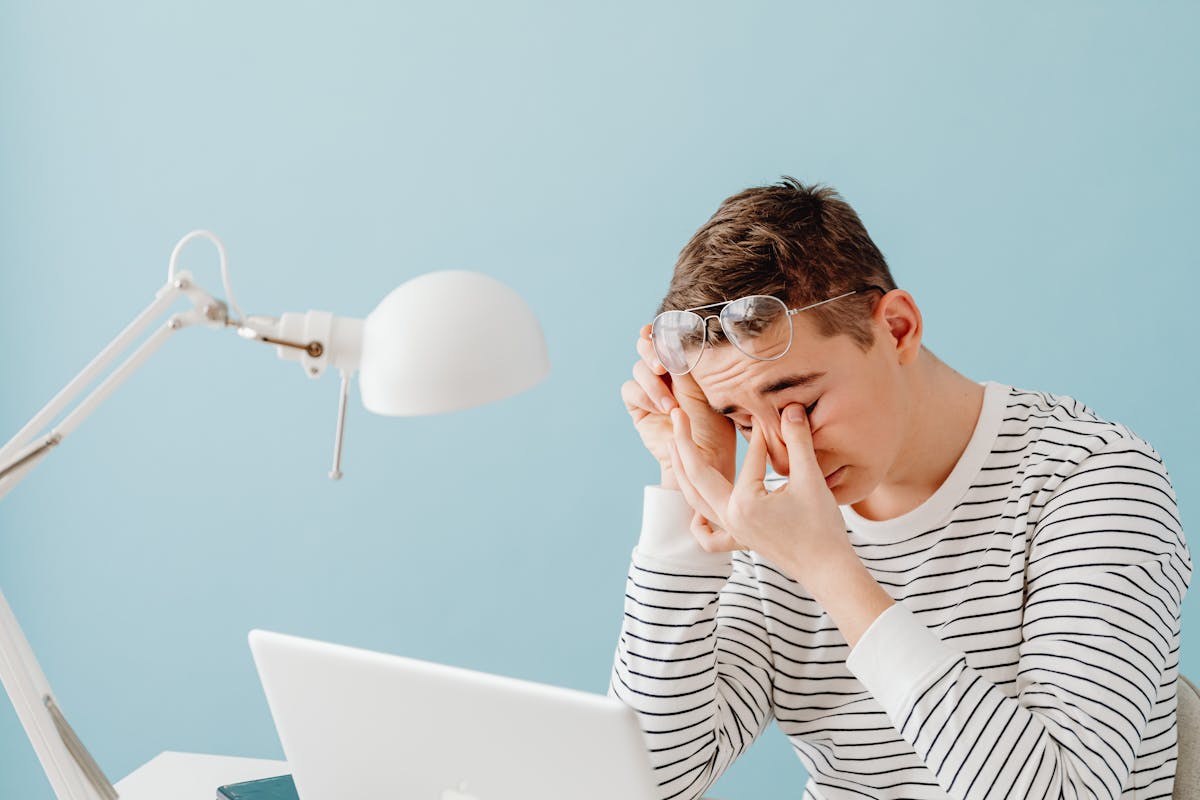
Indoor life often means close-up life. Phones, laptops, tablets, books, and television keep the eyes fixed at close range for hours. Outdoor time gives the eyes a break because the gaze naturally shifts farther away, across streets, trees, buildings, clouds, and open space. When you stop going outside, your eyes may get trapped in a tight visual routine.
For children, outdoor time has been linked with a lower risk of developing nearsightedness. For adults, too much indoor screen time can still lead to eye strain, dryness, headaches, and blurred focus. The eyes were not designed to stare at glowing rectangles all day without relief. Sometimes, the healthiest thing you can do for tired eyes is look far into the distance and let daylight do what your screen cannot.
Your Brain Can Start Feeling Foggy
The brain loves variety, movement, light, and sensory change. Outdoor environments give it all of that at once. You see different colors, hear changing sounds, feel temperature shifts, and move through space in ways indoor life rarely offers. When you stop going outside, your brain may feel dull, distracted, and slow, especially if your day becomes a repeated cycle of screens and closed rooms.
Brain fog can feel like forgetting simple things, struggling to focus, losing creativity, or feeling mentally tired before the day has really started. Outdoor time can help break that loop by giving the brain fresh input and the body a chance to move. A walk around the block may not sound powerful, but it can change your breathing, attention, and energy faster than another hour of forcing yourself to concentrate indoors.
Conclusion
Going outside sounds too simple to matter, which is exactly why many people ignore it. But the body notices when sunlight disappears, movement drops, fresh air becomes rare, and every day happens under a ceiling. The effects may start small, with tiredness, poor sleep, low mood, sore muscles, eye strain, or mental fog. Left unchecked, those small signs can become a lifestyle that quietly drains your strength.
The good news is that you do not need a perfect outdoor routine to begin repairing the pattern. Step outside in the morning, take a short walk, sit near greenery, stretch in fresh air, or let your eyes rest on something farther away than a screen. Your body is not asking for a grand adventure every day. It is asking to remember that the world is bigger than four walls.