9 U.S. Cities Where Rising Heat Is Turning Daily Life Into a Nightmare
Climate change is no longer a distant warning; it is reshaping life in U.S. cities right now. Certain urban areas are warming at alarming rates, with rising temperatures threatening public health, infrastructure, and the very fabric of daily life. From desert sprawls to coastal hubs, these cities are facing extreme heatwaves, skyrocketing energy demands, and new challenges for residents and policymakers alike.
The consequences are immediate. Record-breaking summers, increased humidity, and longer periods of oppressive heat are forcing cities to adapt faster than ever. Understanding which cities are heating fastest and why is critical for building resilient communities in an increasingly hotter America.
Miami, Florida: Sweltering in the Tropics
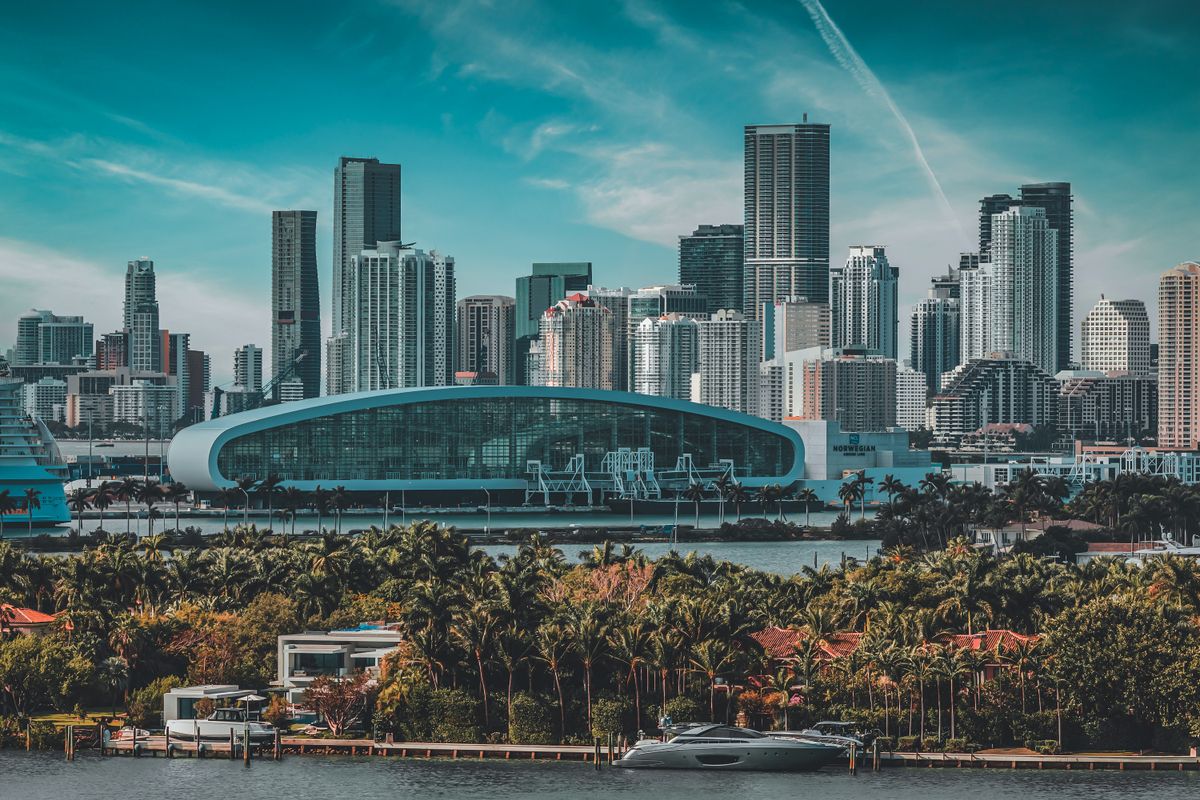
Miami’s tropical paradise is turning into a climate pressure cooker. Rising temperatures, combined with soaring humidity, create intense and often oppressive conditions. Coastal flooding and rising sea levels exacerbate heat stress, making outdoor life increasingly uncomfortable and hazardous.
The city’s unique geography, surrounded by water, traps warmth and slows cooling. Miami’s response includes expanded green infrastructure, heat-reflective building materials, and proactive flood mitigation to help residents cope with extreme tropical heat.
Seattle, Washington: The Unexpected Heat
Seattle, long known for cool, rainy weather, is now seeing hotter, drier summers. Rising temperatures increase wildfire risk, stress water supplies, and disrupt natural ecosystems. Green infrastructure, energy efficiency, and urban heat mitigation are key strategies in the city’s climate response.
This shift demonstrates that even northern coastal cities are not immune to rising temperatures, highlighting the nationwide reach of climate change.
Phoenix, Arizona: The Desert Inferno
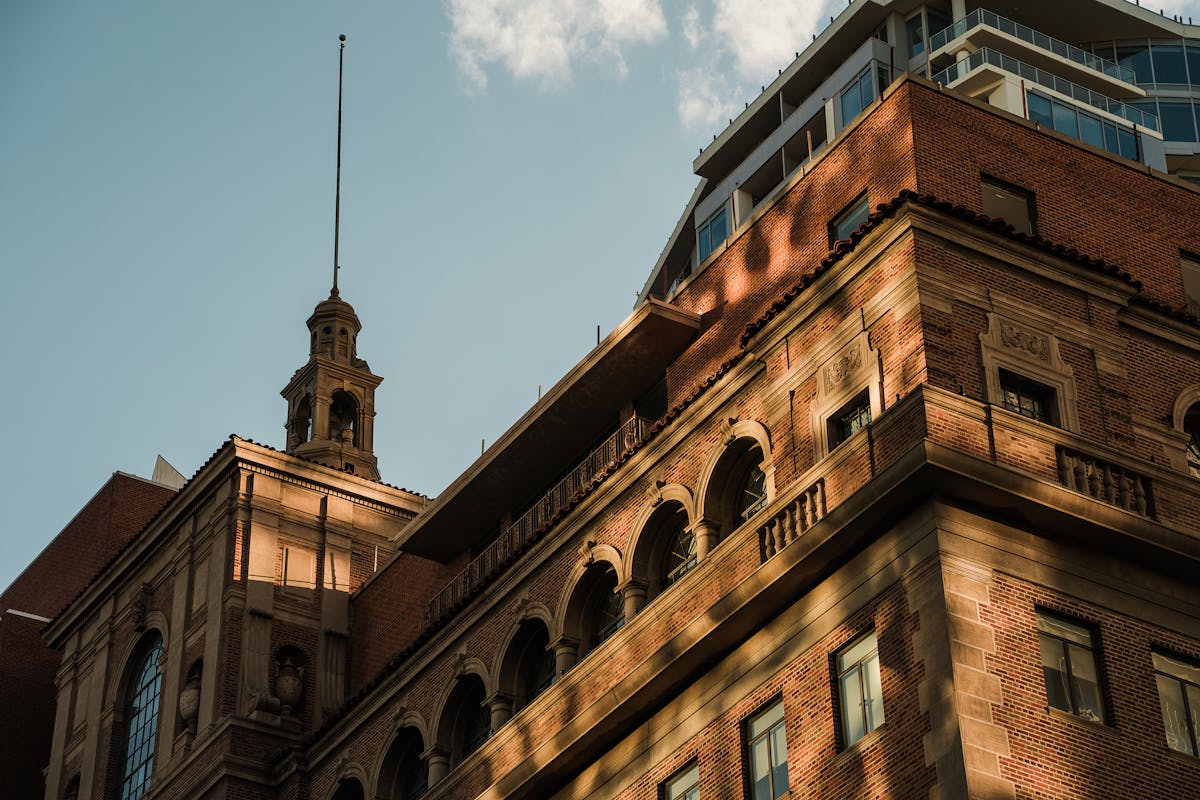
Phoenix already lives up to its reputation as one of the nation’s hottest cities. Located in the Sonoran Desert, summer temperatures routinely climb past 110°F, and the urban heat island effect amplifies the intensity. Concrete, asphalt, and minimal greenery trap heat, turning neighborhoods into intense microclimates.
As the city’s population grows, so do energy demands for cooling, placing a significant strain on power grids during extreme heat events. Phoenix is responding with initiatives like reflective roofs, increased tree cover, and innovative urban design to mitigate the relentless desert furnace.
Houston, Texas: Heat, Humidity, and Sprawl
Houston is a sprawling metropolis whose size and rapid growth amplify heat challenges. Urban expansion, concrete surfaces, and high energy consumption intensify the urban heat island effect, while humidity from the Gulf of Mexico adds to human discomfort.
In addition to extreme summer heat, Houston faces the aftermath of hurricanes, which leave hot, stagnant air masses that compound the problem. Green initiatives, urban shade projects, and energy-efficient solutions are central to the city’s adaptation strategy.
New Orleans, Louisiana: Heat and Humidity Collide
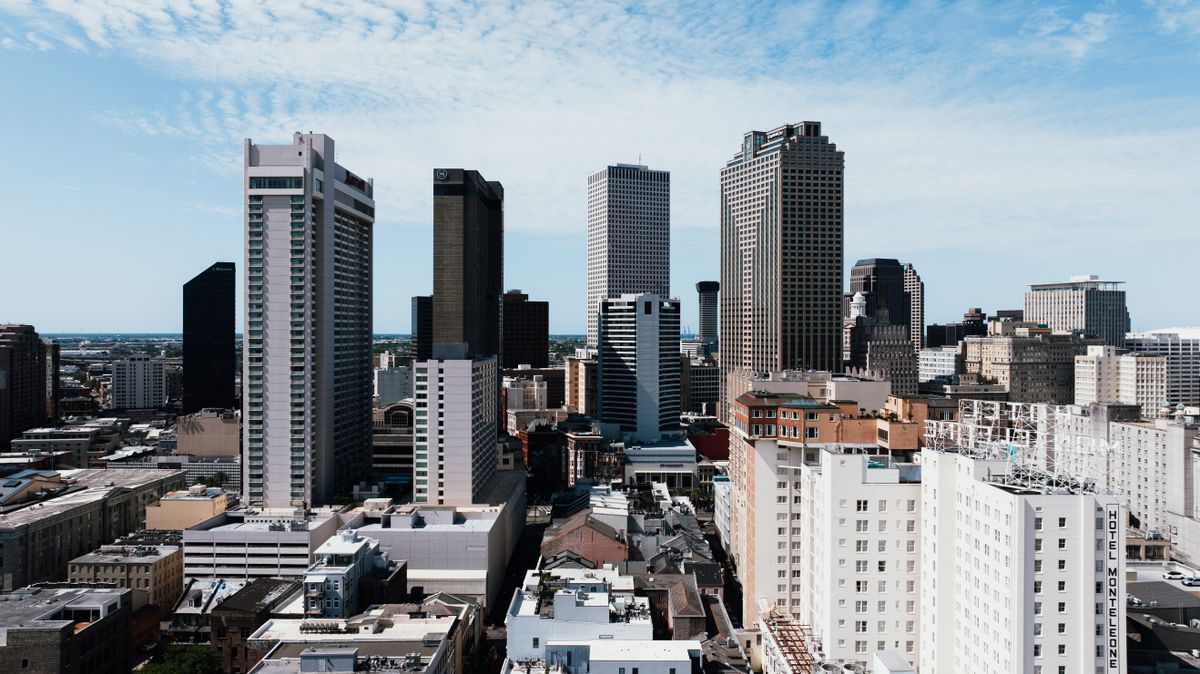
New Orleans is enduring hotter, more humid summers as climate change intensifies. The city’s low-lying position near the Gulf of Mexico traps warm, moisture-laden air, creating dangerous conditions during heatwaves. Aging infrastructure and dense urban areas amplify the problem, making cooling a critical public health concern.
Efforts such as expanded tree canopy, green rooftops, and energy-efficient building practices are helping the city adapt, but rising heat remains an ongoing challenge for residents and planners.
San Francisco, California: Warming in the Bay Area
Even San Francisco, known for its mild fog, is not immune. Rising temperatures and drier summers disrupt the Bay Area’s microclimates, increasing wildfire risk and straining water resources. Dense neighborhoods exacerbate local heat islands, making some areas significantly warmer than historic averages.
The city is addressing these challenges through green infrastructure, water conservation, and urban cooling programs, demonstrating that even temperate cities must act quickly to adapt to climate realities.
Las Vegas, Nevada: The Mojave’s Pressure Cooker
Las Vegas, the entertainment capital of the desert, is now facing its own climate challenge. The city’s expansion has reduced green spaces, and long heatwaves are lasting longer than historical averages. Temperatures regularly exceed 105°F, making outdoor activities dangerous and raising public health concerns.
Infrastructure, water resources, and energy systems are all under stress. Residents and tourists alike are discovering that even a city designed for luxury and leisure cannot escape the pressures of rising heat.
Denver, Colorado: Heat at High Altitude
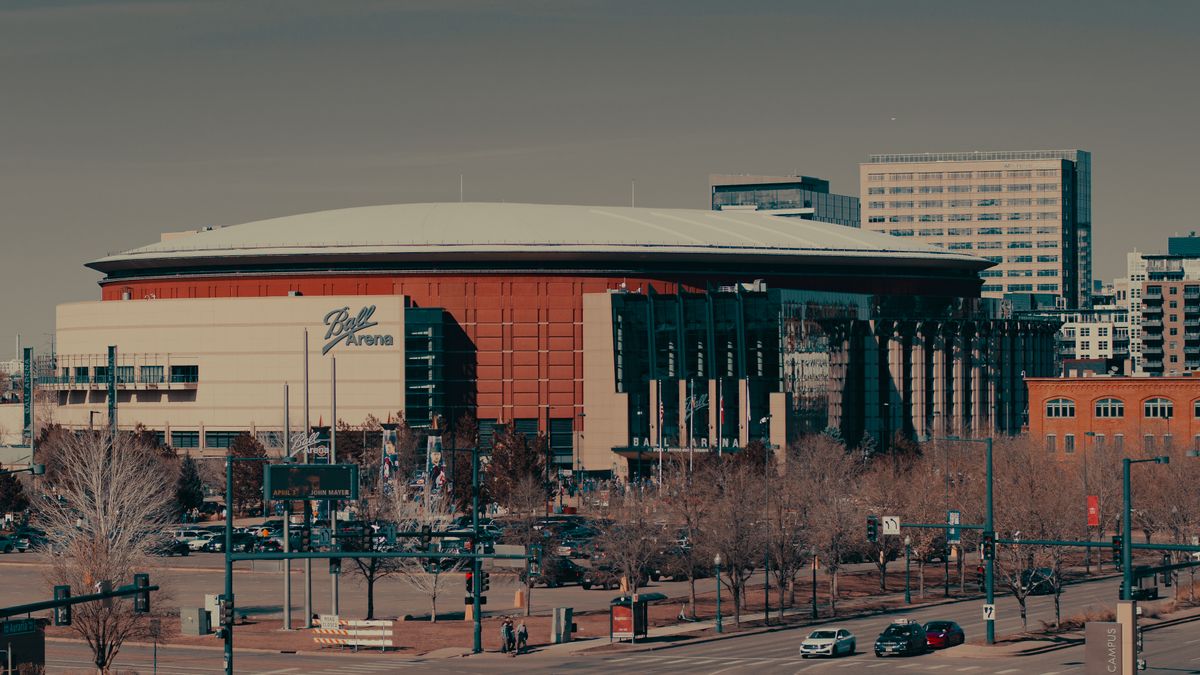
Denver’s elevation does not shield it from warming trends. Hotter summers, reduced snowpack, and earlier snowmelt threaten water supply and recreation. Rapid urbanization intensifies local warming, creating microclimates that exceed surrounding temperatures.
Urban forestry, reflective surfaces, and sustainable city planning are among the solutions Denver is implementing to reduce heat exposure and maintain livability.
Atlanta, Georgia: The Southern Swelter
Atlanta’s rapid urban expansion is intensifying heat waves. Dense construction, limited green spaces, and high humidity create uncomfortable and sometimes dangerous conditions. Residents face increased health risks, particularly during prolonged heat events, while energy demand for cooling continues to surge.
The city is investing in urban greening, tree planting, and sustainable transit options to mitigate heat stress and improve livability.
Building Resilience in a Hotter Nation
These ten cities illustrate the multifaceted impacts of climate change across diverse regions. Urbanization, geography, and local weather patterns combine to produce hotspots that challenge infrastructure, health, and sustainability. Cities are implementing green initiatives, urban planning solutions, and energy-efficient strategies to combat rising heat, but adaptation must accelerate as temperatures climb.
Understanding which areas are heating fastest is essential for planning resilient communities. Without action, extreme heat will increasingly disrupt daily life, energy use, and public health across America.