8 Ugly Reasons Social Media Is Destroying Attention Spans
You pick up your phone to check one message. Ten minutes later, you have watched a golden retriever steal pizza, seen a stranger cry in a parked car, learned half a pasta recipe, judged someone’s apartment makeover, read three angry comments, added a gadget to your cart, and completely forgotten why you grabbed the phone in the first place.
That is modern attention in America. The phone was supposed to be a tool. Now it often feels like a tiny casino in your pocket, flashing, buzzing, rewarding, and begging for one more look.
This is why social media’s destruction of attention spans feels so real. Americans are not suddenly lazy. Their focus is being pulled, chopped, interrupted, rewarded, and retrained by apps built to keep them scrolling. The habit is everywhere now, with recent data showing that social media use remains widespread across the United States.
Social media makes boredom feel unbearable.

Boredom used to be part of life. People waited in grocery lines. Sat in traffic. Stared out the window. Walked without headphones. Let their minds wander during commercials, on bus rides, during lunch breaks, and on quiet evenings at home. Now boredom barely gets a chance to breathe.
The second life slows down, and the phone appears. Waiting for coffee means scrolling. Commercial breaks mean scrolling. Elevator rides mean scrolling. Awkward silence means scrolling. Even a few quiet seconds can feel uncomfortable because the brain expects stimulation on demand.
That is a problem because boredom is not useless. It gives the mind space to think, imagine, process, and reset. Some good ideas arrive when nothing exciting is happening. Some emotional clarity arrives when the brain is not being fed another video.
Social media makes boredom feel like an emergency. In reality, boredom may be one of the last places attention can recover.
Short videos train the brain to crave speed.
Short videos have changed what patience feels like. A person can watch twenty clips in five minutes. Each one brings a new face, sound, joke, confession, argument, dance, product, or surprise. The brain starts expecting constant change. Anything that takes longer begins to feel slow.
That is why reading a book can feel harder after scrolling. A full movie can feel too long. A lecture can feel painful. Even a normal conversation can feel dull if it does not deliver quick emotional rewards.
Short videos are not always bad. They can teach, entertain, inspire, and help people discover useful ideas. The problem starts when they become the brain’s main rhythm.
Real life does not move at TikTok speed. Work takes time. Relationships take patience. Learning takes repetition. Healing takes silence. Deep thinking needs more than a swipe.
The concern is especially real for younger users, as recent survey data show that teens are spending more time on social media. When fast content becomes the default, focus starts feeling like heavy lifting.
Notifications keep breaking mental momentum.
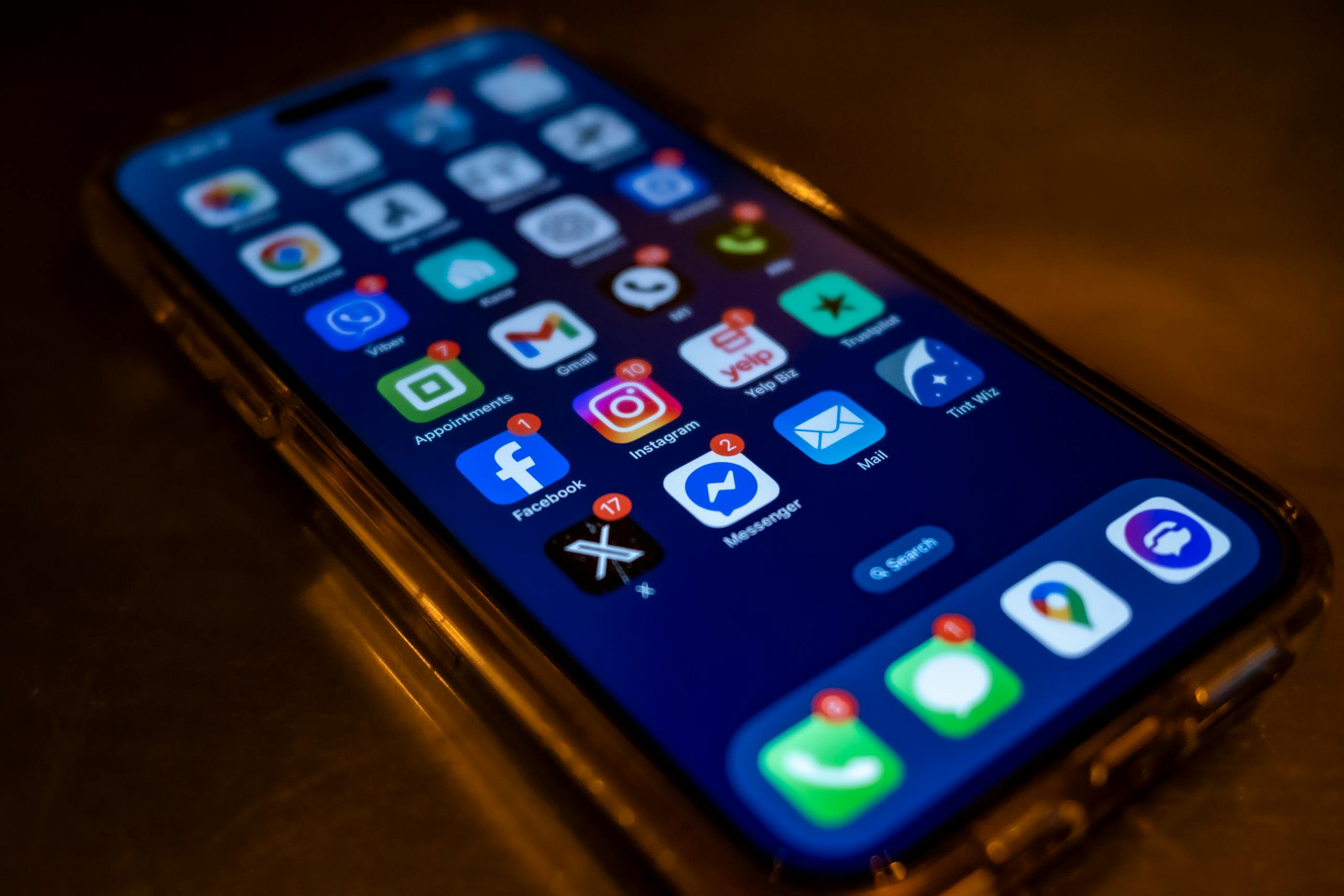
A notification may look small, but it can break an entire thought. A text buzzes. A like appears. A comment drops. A headline flashes. A group chat lights up. A random app reminds you about something you never asked to remember.
Each interruption pulls the brain away from what it was doing.
The ugly part is that attention does not always return cleanly. You may go back to your task, but your mind lags. You reread the same sentence. You forgot the next step. You lose the thread. You waste more time trying to rebuild the focus that one buzz destroyed.
This is how social media quietly weakens concentration. It does not always steal hours at once. Sometimes it steals attention in tiny cuts.
A person can sit at a desk for two hours and still get almost nothing done because the brain never gets a long enough stretch to settle. The phone keeps saying, “Look here.” Eventually, the mind obeys before the person even decides.
Endless scrolling removes the natural stopping point.
Television shows end. Chapters end. Songs end. Conversations end. Social media does not.
There is always one more video, one more post, one more comment, one more story, one more swipe. The feed keeps refreshing like a slot machine that never runs out of coins.
That endless design matters. A natural stopping point gives the brain permission to leave. Without one, people keep going until guilt, exhaustion, or a dying battery finally interrupts them.
This is one reason social media’s destruction of attention spans feels so hard to fight. The apps are not built around completion. They are built around continuation.
You do not finish Instagram. You do not finish TikTok. You do not finish Facebook, X, YouTube Shorts, or Reels. You stop after the feed has taken more time than you planned to give.
That kind of design makes self-control harder because the finish line keeps moving. The app never says, “You are done now.” It keeps offering more.
Social media rewards reaction instead of reflection
Social media wants speed. React fast. Comment fast. Share fast. Judge fast. Pick a side fast. Decide fast. The faster the reaction, the more alive the feed feels. That pace can weaken deeper thinking.
A person sees a headline and reacts before reading the story. They see a clip and form an opinion before knowing the context. They see a comment and fire back before thinking it through. Everything becomes instant.
Reflection takes longer. It asks people to pause, compare, question, and sit with uncertainty. Social media does not reward that as much. A careful thought rarely travels as fast as a hot take.
Over time, people can start confusing reaction with intelligence. They feel informed because they responded quickly. They feel engaged because they argued. They feel alert because they are angry.
But speed is not the same as understanding. The issue is bigger than simple screen-time guilt. Public health guidance has warned about youth mental health concerns connected to social media use, especially as online life becomes a major part of how young people socialize, compare, and process the world.
Multitasking makes single-tasking feel strange.
Social media encourages Americans to split their attention all day. Someone watches TV while scrolling. Eats dinner while checking messages. Works while glancing at notifications. Studies with a phone face-up beside them. Talks to a friend while half-reading comments.
It feels normal now. The problem is that the brain pays a price. Multitasking often means switching back and forth quickly, not truly doing several things well at once. Each switch costs focus. Each switch makes the main task feel harder.
After enough switching, single-tasking can feel strange. Sitting with one book, one project, one conversation, or one quiet moment starts to feel almost unnatural.
That is not because people are incapable of focus. It is because they keep practicing distraction.
A brain gets better at what it repeats. If it repeats the interruption all day, focus becomes weaker. Research guidance has also warned that platform features pose risks for young users, underscoring that the design of these apps matters as much as personal discipline.
Comparison content keeps the mind restless.

Social media not only distracts people. It keeps them emotionally unsettled.
Someone logs on for entertainment and sees another person’s perfect kitchen, perfect body, perfect relationship, perfect vacation, perfect career, and perfect morning routine. Suddenly, their own life feels unfinished.
That emotional restlessness makes attention harder. It is difficult to focus on work when you feel behind in life. It is hard to read a book when your brain is replaying someone else’s success. It is harder to enjoy a quiet night when the feed makes it look like everyone else is richer, hotter, happier, healthier, and more disciplined.
Comparison creates mental noise. The mind starts jumping from one worry to another. Should I be earning more? Should I look better? Should I move? Should I start a business? Should I be married? Should I have kids? Should I change everything?
That kind of mental clutter eats attention from the inside. The person may put the phone down, but the comparison keeps talking.
Children are learning distractions earlier.
Adults are not the only ones being trained by screens. Many children are growing up with tablets, phones, autoplay videos, short clips, and app-based entertainment before they have built strong habits of boredom, patience, and deep play. That matters because attention is not just an adult work skill. It begins forming early.
Recent media research found that children have personal tablets at very young ages, in growing numbers, and that many kids also gain access to phones before middle school.
This does not mean every screen moment is harmful. A tablet can teach, entertain, and help families manage busy days. The problem begins when screens become the default answer to every quiet moment.
If children learn early that boredom should always be avoided, it becomes harder to focus later. A child who never practices waiting may grow into an adult who struggles to sit with one task, one book, one conversation, or one thought.
That is why the attention-span conversation is not just about adults scrolling at night. It is also about what kind of attention habits America is teaching its children.
Conclusion

Social media is not destroying attention spans because Americans are weak. It is doing it because the platforms are powerful.
They reward speed. They punish boredom. They interrupt constantly. They remove stopping points. They turn life into comparison. They train people to react before they reflect. They make ordinary moments feel too slow.
That does not mean social media has no value. It means people need to stop treating endless scrolling like harmless background noise.
Attention is one of the most valuable things a person owns. It shapes what people learn, how they work, how they love, how they listen, and how they experience life.
If social media keeps taking that attention in small pieces, people may not notice the loss until reading, working, thinking, praying, resting, and simply being present all start to feel harder than they should.
The feed will always ask for more. A focused life requires learning when to stop giving it everything.