Trump’s Midterm Advantage Crumbling as Voter Mood Shifts
Donald Trump has not lost the 2026 midterms yet. No ballots have been counted, no chamber has changed hands, and no final verdict has been delivered by voters.
But the warning lights around him are no longer faint. They are flashing bright red.
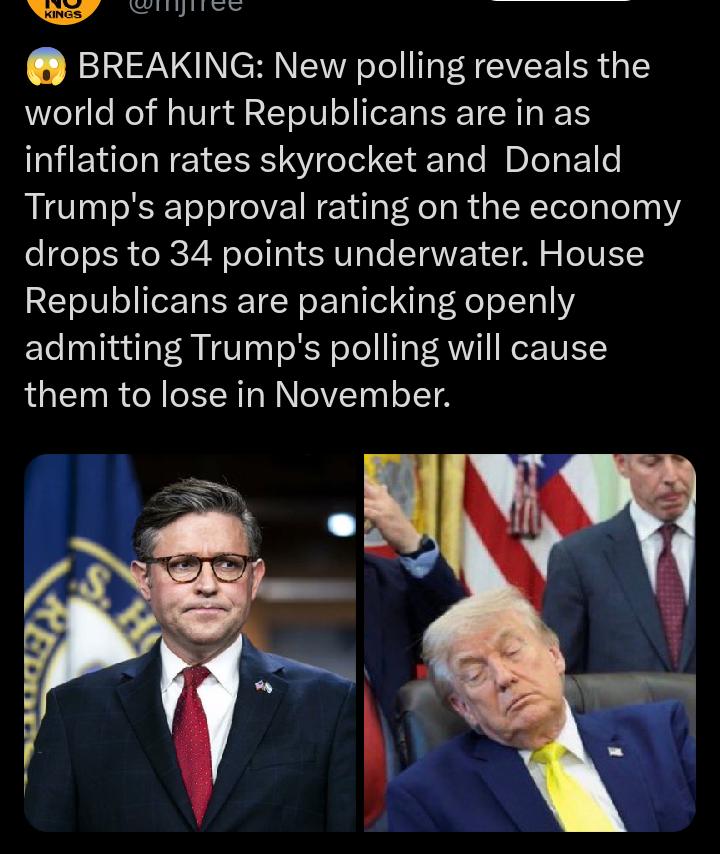
Fresh polling now shows Democrats holding a clear national edge on the generic congressional ballot, a key measure of which party voters prefer for Congress. For a president whose power depends heavily on Republican control in Washington, that is more than a bad number. It is a political siren.
Democrats Are Suddenly Looking Stronger

The latest midterm picture gives Democrats something they have badly needed for months: momentum.
A polling average from Silver Bulletin placed Democrats ahead by more than six points on the generic congressional ballot. That kind of lead does not guarantee victory, but it gives the party a strong early map for the House. It also makes Republican strategists nervous because midterms often punish the party in power.
That is the danger for Trump. His party controls Congress now, but that control is narrow enough to be shaken by a few bad nights in competitive districts. If voters treat the midterms as a referendum on his second term, Republicans could face a brutal fight to keep the House.
The Senate is more complicated. Democrats still need the right states, the right candidates, and the right turnout. Yet even there, the mood has changed. Maine, where Republican Sen. Susan Collins is expected to face a serious challenge, is already being watched as one of the races that could shape the chamber’s future.
Trump Still Owns The GOP, But The Ground Is Moving
Trump remains the strongest force inside the Republican Party. That part has not vanished.
Recent primaries showed his influence clearly. Trump-backed figures still matter, and Republicans who cross him still risk paying a price. In South Carolina, Sen. Lindsey Graham survived his primary with Trump’s support, while other intraparty battles showed how deeply the former outsider has become the party’s center of gravity.
Still, power inside a party is not the same thing as power with the broader electorate.
That is the trap facing Trump. He can dominate Republican primaries and still struggle in a national midterm environment. He can rally loyal supporters and still lose swing districts. He can scare GOP lawmakers and still fail to stop voters from handing Democrats a congressional weapon.
Reuters reported that Trump is trying to project strength as he approaches his 80th birthday, even as courts, foreign policy problems, declining approval ratings, and some Republican resistance expose the limits of his power. A White House spokesperson defended him as the clear leader of the Republican Party, but the pressure is obvious.
Why This Polling Blow Matters
The generic ballot is not magic. It does not name candidates. It does not measure every district. It does not account for late campaign shocks.
But it does measure mood, and mood is often what midterms are made of.
When voters are angry, tired, or anxious, they rarely send polite messages. They send consequences. Right now, the cost of living remains one of the biggest concerns for American voters. That matters because kitchen-table frustration can cut through party loyalty faster than any campaign slogan.
If voters blame Trump and Republicans for high prices, economic pressure, or political chaos, Democrats will not need perfection. They will only need enough voters to decide that divided government looks safer than one-party rule.
That is why this moment feels bigger than one polling average. It suggests Democrats may have found a path back into power by making the midterms about everyday pressure, not just Trump’s personality.
The House Could Become Trump’s Biggest Problem
The House is where Trump’s midterm risk looks most immediate.
All 435 voting seats are on the ballot in November 2026. Republicans do not have much room for error. A small shift in the suburbs, a few weak incumbents, or a turnout surge among Democratic voters could change the entire balance of Washington.
If Democrats win the House, Trump’s second term changes overnight.
A Democratic House could launch investigations, block parts of his agenda, control committee power, and turn every major political fight into a televised battle. Even if Republicans keep the Senate, losing the House would make Trump appear weakened at the exact moment he wants to appear untouchable.
That is why the polling matters. It threatens the image that has powered Trump for years: the idea that he bends politics to his will.
The Senate Fight Is Harder But Still Dangerous
Democrats have a tougher road in the Senate. The map is not as simple, and Republican-held seats are not easy to flip.
But the Senate cannot be ignored. Maine is already becoming a major test, especially after Democrat Graham Platner’s primary win. His victory sets up a high-stakes race against Susan Collins, one of the few Republican senators Democrats believe they can seriously pressure.
The race will not be clean or quiet. Platner brings controversy, Republicans are already sharpening attacks, and Collins has survived difficult campaigns before. Still, the fact that Maine is drawing this much attention tells the larger story. Democrats are hunting for openings, and Republicans are defending more ground than they would like.
For Trump, that creates a second front. He must help Republicans defend the House while also protecting Senate seats that could become expensive, ugly, and unpredictable.
The Real Defeat Is The Narrative Shift
The word “defeat” can be misleading here. Trump has not lost the midterms. Voters have not spoken yet.
But he may be losing something just as important in politics: the narrative.
For much of his career, Trump has sold strength as his brand. He wins. He dominates. He survives. He turns scandal into spectacle and pressure into performance.
Now the story is beginning to bend in another direction. The question is no longer whether Trump controls the Republican Party. He does. The question is whether that control helps Republicans win a national midterm or drags them into a backlash.
That is a much more dangerous question.
Democrats Still Have Work To Do
Democrats should not celebrate too early. Polls can change. Candidate quality matters. Turnout matters. Local issues matter. Republicans still have money, media power, loyal voters, and a president who knows how to turn fear into energy.
Democrats also have their own problems. They must hold together progressives, moderates, young voters, suburban voters, and independents who may not agree on much beyond frustration with Trump. That coalition can win elections, but it can also crack under pressure.
Still, the opening is real. If Democrats keep the race focused on cost of living, stability, and checks on Trump’s power, they could turn a polling advantage into a governing opportunity.
A Midterm Storm Is Building
The 2026 midterms are shaping up as more than a routine congressional election. They are becoming a national judgment on Trump’s second term.
For Republicans, the danger is simple. If voters are tired of the chaos, angry about prices, or worried about one-party control, the midterms could become a punishment vote.
For Democrats, the opportunity is just as clear. They do not need to win every argument. They need to convince enough voters that Washington needs a brake pedal.
That is why this latest polling shift matters. It does not end the race. It starts the alarm.
Trump may still command the Republican stage, but the audience beyond his base is getting restless. And in a midterm year, restless voters can become the most dangerous force in American politics.