8 U.S. Financial Aid Programs That Can Quietly Hurt Developing Countries
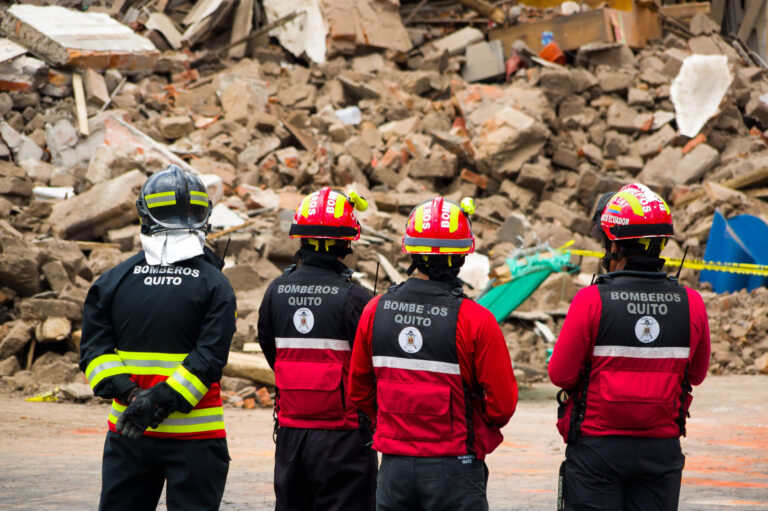
Foreign aid often arrives wearing the clean white suit of generosity. It includes press releases, ribbon-cuttings, emergency photos, and language about partnership, growth, and hope. At its best, U.S. assistance can save lives, fight disease, fund schools, and help countries survive disasters. Yet the darker side deserves attention too. When aid is badly designed, politically tied, poorly monitored, or pushed through foreign contractors, it can leave developing countries weaker than before.
The United States remains one of the world’s largest foreign aid donors. In fiscal year 2024, U.S. foreign aid obligations totaled about $82.3 billion across 177 countries, according to official U.S. aid data compiled by USAFacts. That money does not always reach local farmers, teachers, nurses, or entrepreneurs. Sometimes it circulates through foreign consultants, military suppliers, emergency contractors, and political allies. That is where good intentions can start acting like slow poison.
Food Aid That Undercuts Local Farmers
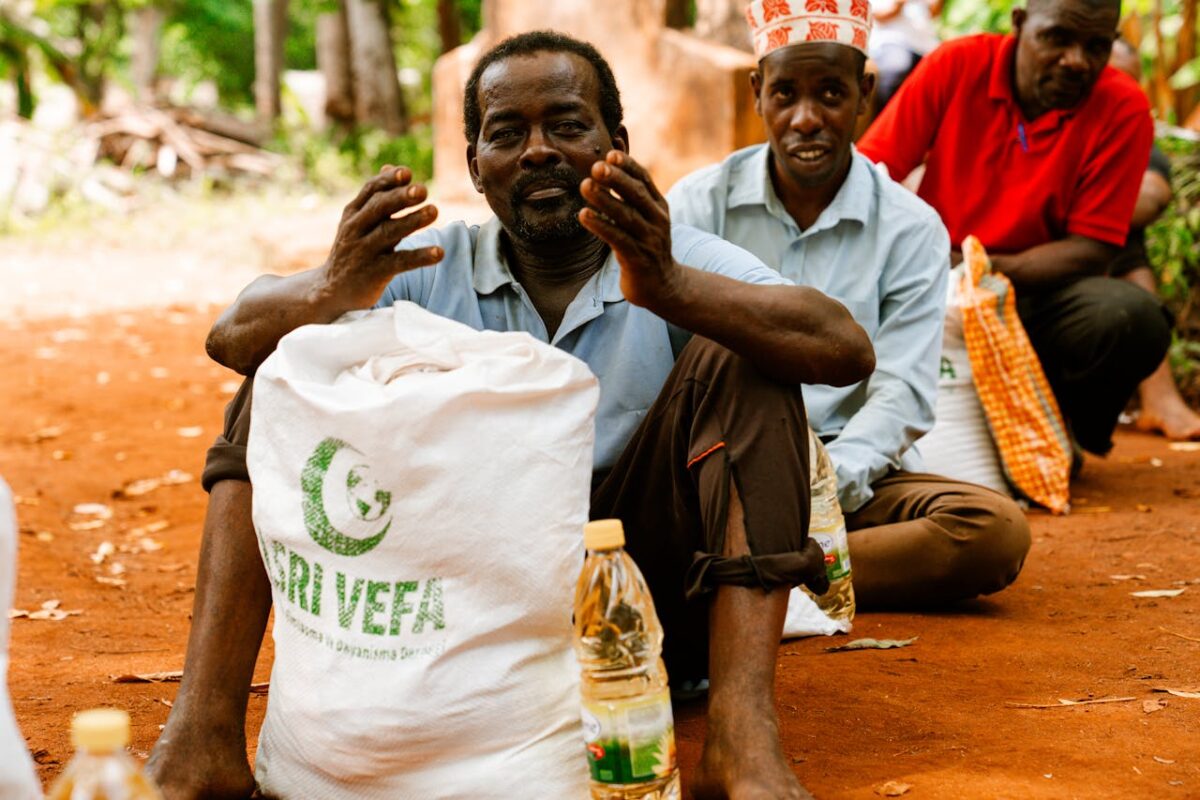
Food aid looks noble because hunger is immediate, visible, and heartbreaking. When drought, war, or inflation hits, bags of grain and emergency meals can keep families alive. The problem begins when imported food floods local markets for too long. Local farmers then struggle to sell their own crops because free or subsidized food pulls prices down.
This can create a cruel cycle. Farmers plant less, local storage systems shrink, and communities become more dependent on the next aid shipment. A Government Accountability Office review found that local and regional food procurement can reduce costs and improve delivery speed, which shows why imported food is not always the smartest answer. Emergency food saves lives, but permanent food aid can quietly starve the local economy.
Military Financing That Strengthens Governments More Than Citizens
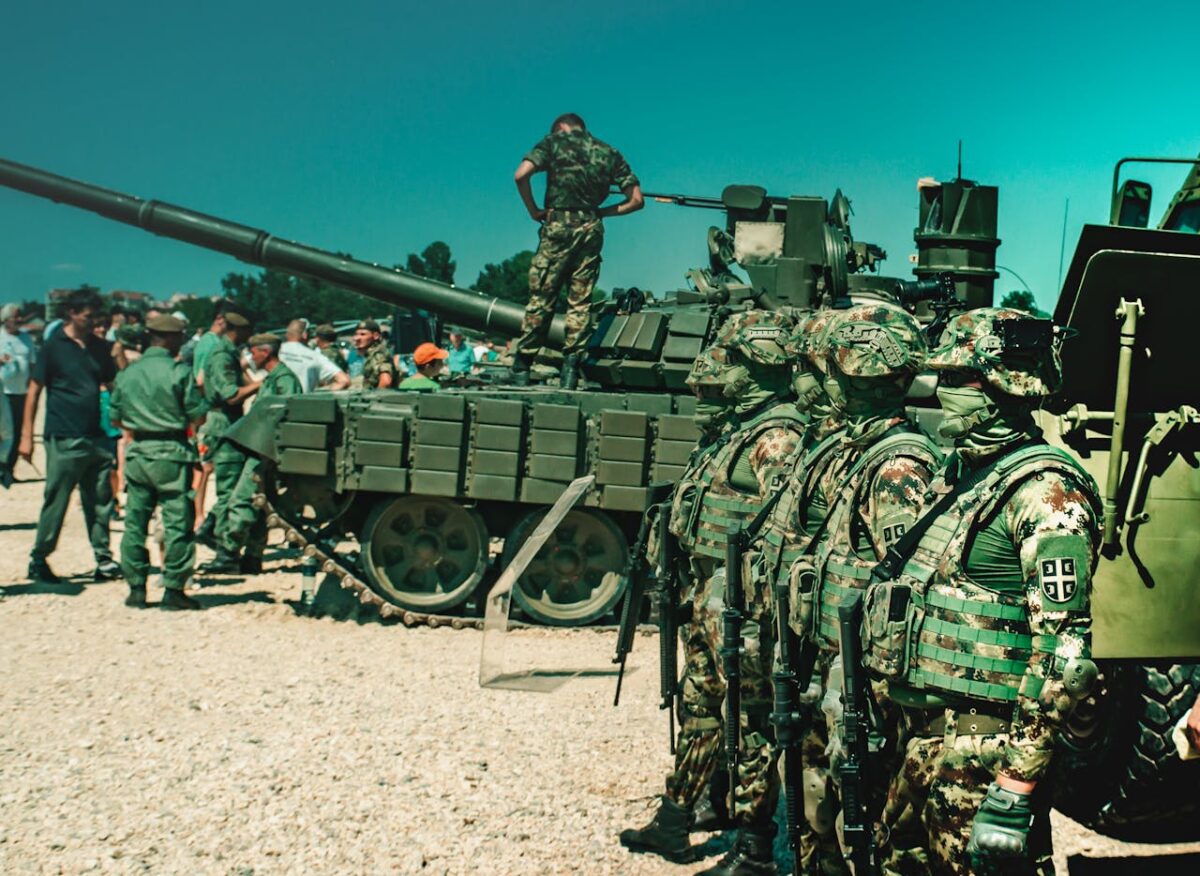
Foreign Military Financing is one of the most powerful forms of U.S. aid. It can take the form of grants, direct loans, or guaranteed loans to eligible countries for defense equipment and services. The Defense Security Cooperation Agency states that the U.S. Secretary of State decides which countries receive it, and the Secretary of Defense executes the program.
This aid can help countries fight terrorism, protect borders, or improve regional security. Yet it can also tilt power toward soldiers, police units, and political elites. In fragile democracies, that balance matters. When military aid grows faster than education, courts, healthcare, or job creation, citizens may feel protected by name and controlled in practice. A country can receive security assistance and still become less free, less equal, and more fearful.
Infrastructure Loans That Leave Heavy Bills Behind
Roads, ports, power plants, and telecom projects can transform a poor country. They can also trap it. U.S.-backed development finance often aims to mobilize private capital for projects that serve both development and foreign policy goals. The U.S. International Development Finance Corporation describes itself as America’s development finance institution and says it mobilizes private capital to advance U.S. foreign policy and economic development worldwide.
That language sounds clean, but the risks can be messy. If a project earns less than promised, the host country may still face debt, maintenance costs, legal obligations, or pressure to protect foreign investors. A shiny highway means little if tolls rise, local firms lose contracts, and taxpayers carry the loss. Infrastructure can build a nation, but bad financing can mortgage its future.
Tied Aid That Sends Money Back to the Donor
Some aid comes with strings so tight that recipient countries barely control the money. Tied aid limits where goods or services can be purchased, often steering contracts toward companies from the donor country. The OECD defines tied aid as aid where procurement is limited to the donor country or a restricted group of countries, rather than being freely available to recipient countries.
That turns aid into a round trip. Money leaves Washington, lands briefly in a developing country’s budget story, then returns through contractors, consultants, equipment suppliers, and logistics firms. Local businesses watch from the sidelines. Local workers have fewer skills. Local governments get less bargaining power. The country receives the project, but the donor economy captures much of the value.
Health Aid That Builds Donor-Dependent Systems

Health aid can be life-saving, especially for HIV, malaria, maternal care, vaccination, and emergency response. U.S. programs have supported clinics, medicine supply chains, training, and disease surveillance in many developing countries. The danger appears when health systems are designed around foreign funding cycles rather than national budgets.
A clinic that depends on outside grants can collapse when priorities shift in Washington. A disease program can be well funded, as general hospitals remain understaffed. Nurses may leave public facilities for donor-backed projects that pay more. Reuters reported that a major U.S. foreign aid pause in 2025 disrupted many approved programs, with exceptions for some emergency food and selected military financing. That kind of sudden shift shows the weakness of health systems built on money that can vanish with politics.
Budget Support That Rewards Weak Leadership
Direct financial support can help a struggling government pay salaries, stabilize services, or survive a crisis. In theory, that gives poor countries some breathing room. In practice, it can give bad leaders room to hide. If outside money fills budget gaps, officials may delay tax reform, avoid fighting corruption, and keep rewarding political allies.
This does not mean every government that receives aid is corrupt. It means aid can soften the consequences of poor leadership. Citizens lose leverage when leaders can depend more on foreign donors than domestic taxpayers. A government that should answer to its people may spend more time pleasing embassies, lenders, and international agencies. Development then becomes a performance for outsiders, not a contract with citizens.
Emergency Relief That Becomes Permanent Dependency
Disaster relief should move fast. Floods, wars, epidemics, and famine do not wait for perfect paperwork. Yet emergency aid becomes dangerous when it never exists. Camps become settlements. Temporary food lines become local institutions. Short-term rescue becomes a permanent economy.
That pattern can weaken local planning. Governments may underinvest in disaster readiness because foreign help usually arrives. Communities may stop trusting national systems because international agencies look better funded and faster. The World Bank and IMF use debt sustainability analysis to help low-income countries balance current financing needs with future repayment capacity, which highlights how fragile public finances already are in many places. Relief is necessary during a crisis, but endless relief can teach a country to survive without rebuilding.
Debt Relief That Delays Real Reform
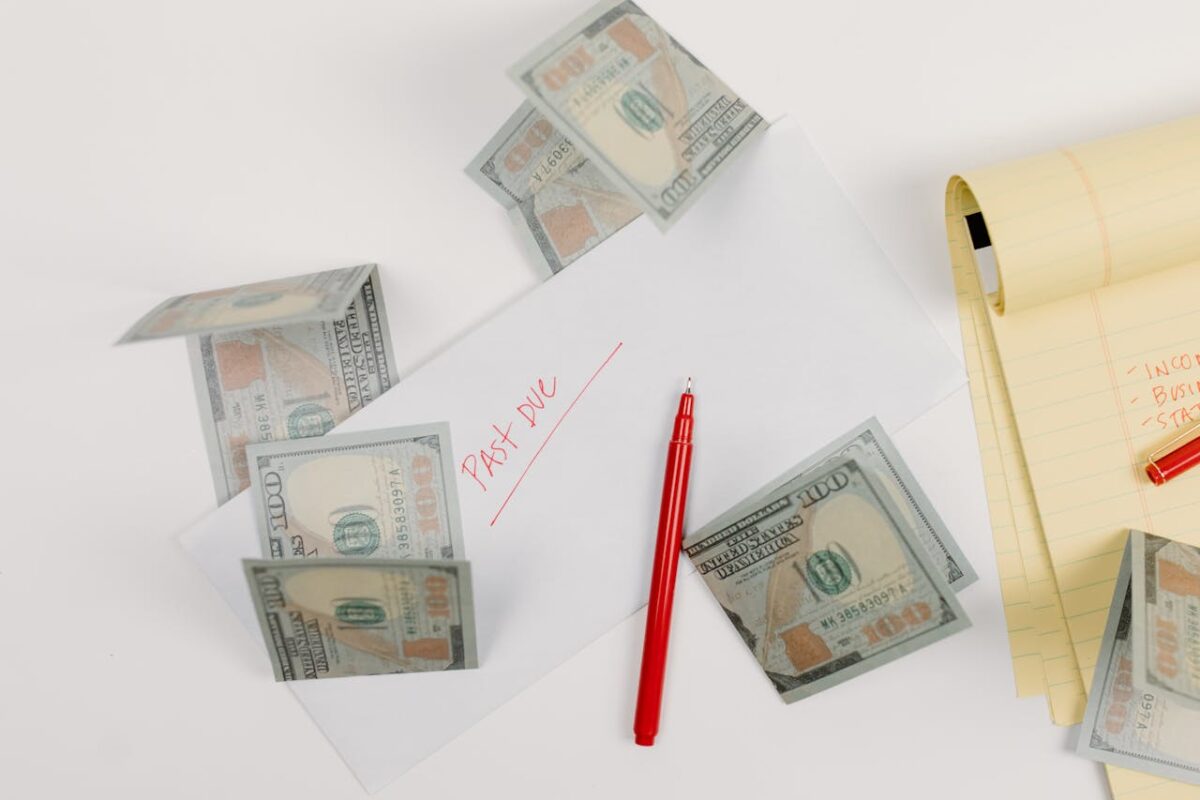
Debt relief sounds like mercy, and sometimes it is. Poor countries drowning in repayments need breathing space. The danger comes when debt relief becomes a repeat escape hatch instead of a reset. Leaders borrow, donors forgive, lenders return, and the same weak financial habits continue.
Developing countries already face serious debt pressure. UNDP warned in 2025 that interest payments exceeded 10 percent of government revenue in 56 developing countries, with 17 spending more than 20 percent. When debt relief arrives without stronger budgeting, fair taxation, anti-corruption rules, and productive investment, it can reward the old cycle. The country receives temporary oxygen supplies, but the disease remains untreated.
Conclusion
American financial aid does not automatically ruin developing countries. That would be too simple and unfair to the many programs that have saved lives, funded education, supported refugees, and helped communities recover from disaster. The real problem starts when aid becomes a substitute for local production, accountability, institutions, and decision-making.
The most harmful aid often looks generous at first. It feeds people but weakens farmers. It builds roads but leaves debt. It funds clinics but creates donor dependency. It strengthens armies but leaves citizens anxious. Developing countries need partnerships, trade, fair finance, technology transfer, and the space to build their own systems. Aid should act like scaffolding, not a cage. When it helps a country stand on its own, it works. When it keeps a country looking upward for survival, it slowly ruins the very future it claims to rescue.