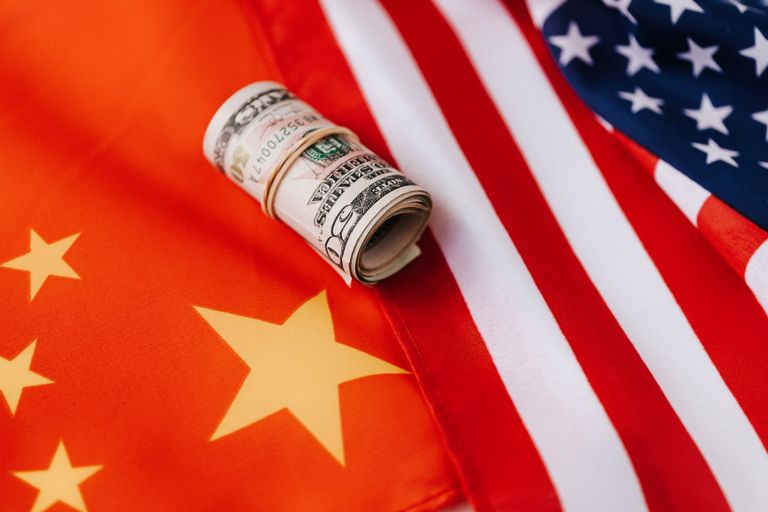
Trump’s $1.8 Billion Payout Plan Backfired So Badly Even McConnell Wouldn’t Defend It.
When Donald Trump unveiled his nearly $1.8 billion “compensation fund” for individuals he claimed were targeted unfairly by the government, most expected pushback from Democrats. What few anticipated was a wave of blunt, public condemnation from Republicans themselves.
Senators who usually tread lightly around Trump’s initiatives openly questioned the plan’s morality and sense, painting it as a reckless use of taxpayer dollars. The controversy quickly spiraled beyond political theater, exposing fissures in the GOP and leaving the administration scrambling to justify a fund that even its allies now called indefensible.
McConnell Slams the Fund as Morally Wrong
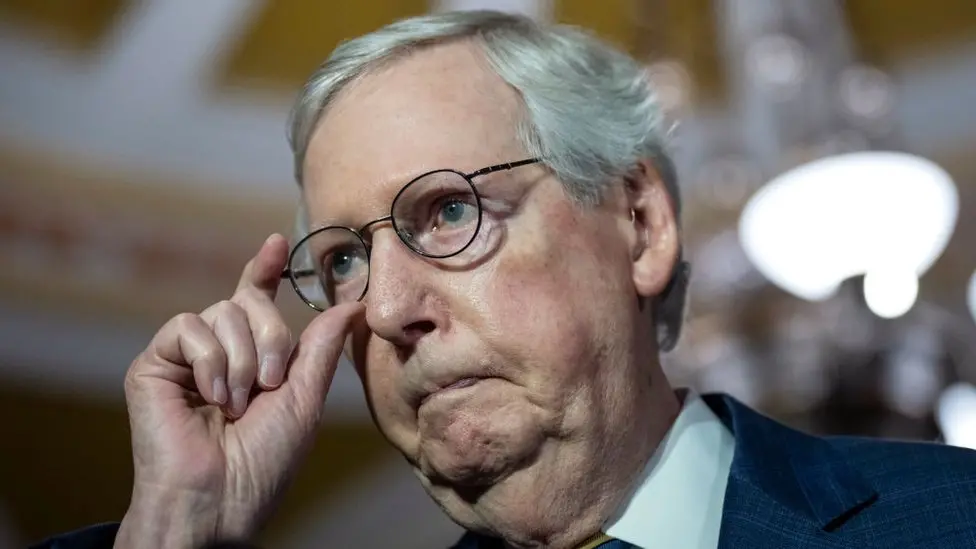
The political firestorm around Donald Trump’s nearly $1.8 billion “anti-weaponization” fund did something Washington rarely sees. It pushed Republicans into open rebellion against their own president. Not subtle unease. Not carefully worded side-eye.
Real, public, on-the-record resistance erupted from GOP senators who usually understand exactly how dangerous it can be to cross Trump. At the center was a Justice Department reserve meant to compensate people claiming unfair government targeting. Framed by Trump allies as a corrective measure, critics argued it resembled a taxpayer-funded reward for political loyalists tied to the January 6 Capitol attack.
How January 6 Fears Fueled GOP Backlash
Mitch McConnell’s blunt condemnation of the plan,calling it “utterly stupid” and “morally wrong,” echoed across Washington. His anger stemmed from one explosive concern: potential payouts to individuals connected to January 6-related conduct, including those accused of violence against police officers. For a party that often brands itself as pro-law enforcement, the optics were brutal.
Defending the fund could have made Republicans appear hypocritical, supporting police on the campaign trail while allowing public money to flow to people accused of attacking them.
Republicans Face a Political Contradiction
Trump’s problem went beyond Democratic outrage. Democrats would attack the fund as reckless and self-serving regardless. The deeper issue: Republicans began to voice the same criticisms in their own language.
Many feared the proposal would look indefensible to voters already strained by inflation, rent, and high grocery bills. Nearly $1.8 billion in taxpayer money tied to political favoritism was a hill few senators wanted to die on, creating tension between party loyalty and practical politics.
The Slush Fund Label Sticks Instantly
The phrase “slush fund” became politically toxic because it captured the underlying fear. Critics pointed out the lack of guardrails,unclear eligibility, ambiguous decision-making, and questions about whether ordinary Americans would have fair access.
Once the public perceives federal law enforcement as a political cash machine, trust erodes quickly. The fight was never only about money; it was about whether government power could be wielded to reward a single political faction while undermining institutional credibility.
Lawmakers Question Oversight and Eligibility
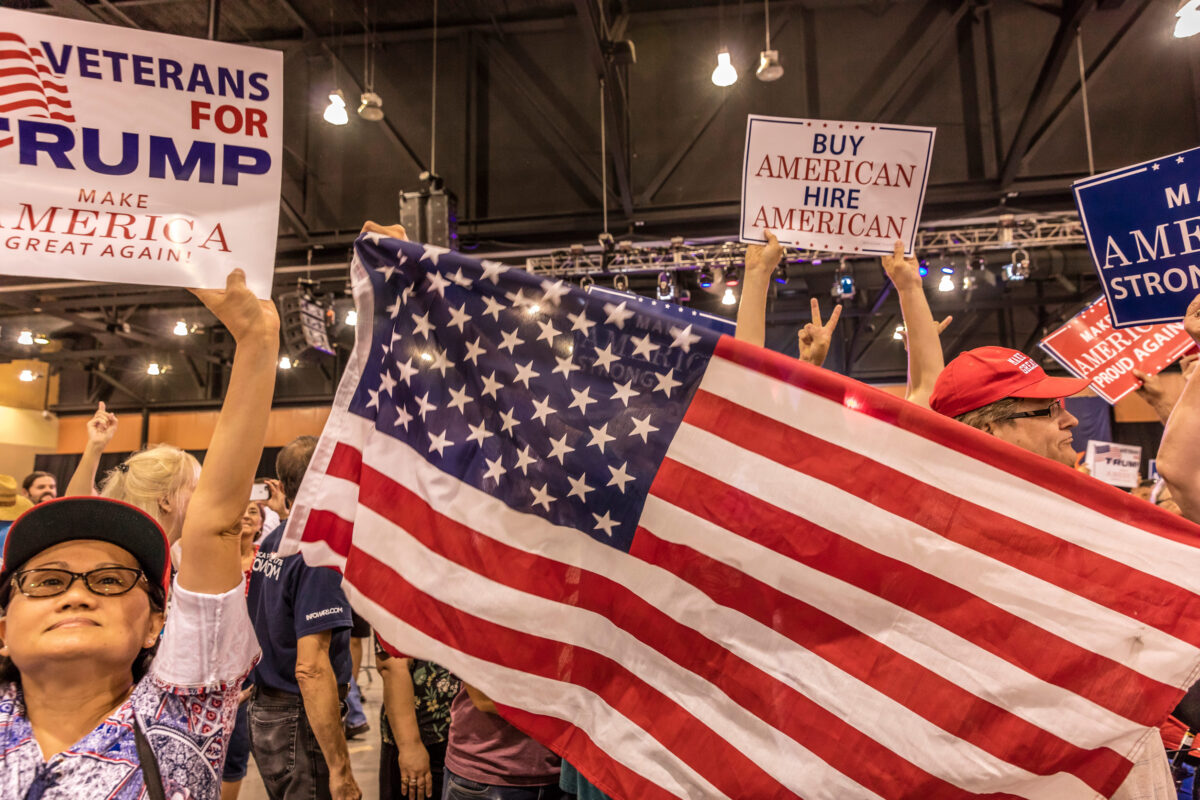
Lawmakers asked who would qualify, who would decide, and how evidence would be evaluated. Even Trump supporters within the GOP appeared uneasy. Some worried that the process would favor political connections over legitimate claims.
That fear amplified the backlash and made defending the proposal a risky endeavor. Public scrutiny and media framing turned the fund into a lightning rod for distrust and political skepticism, magnifying its controversial nature far beyond what Trump’s base initially anticipated.
Trump Allies Push Compensation Argument
Defenders argued that Americans were genuinely harmed by politically motivated investigations and prosecutions. For many Trump supporters, the fund was a form of justice. Yet, sympathy among Republicans had limits.
While some understood the narrative of government overreach, they could not ignore the perception of a $1.8 billion cash reward for politically connected individuals. The optics became impossible to untangle, showing that even loyalists had boundaries when public money was involved.
GOP Leaders Make Rare Public Rebellion
Once names like McConnell, John Thune, Susan Collins, and Thom Tillis joined the criticism, the message became unmistakable.
These senators are not liberal critics looking for reasons to attack Trump. They are experienced Republicans who understand voters, Senate dynamics, and election optics. When they openly warned the administration, it sent a clear signal: the political cost had escalated to an unacceptable level. The rare public rebellion highlighted a limitation of Trump’s influence when optics, money, and law enforcement intersect.
Administration Retreats Under Pressure
The fund eventually collapsed. Acting Attorney General Todd Blanche told lawmakers that the government would not move forward, marking a significant retreat after days of pressure, legal scrutiny, and Republican unease.
The reversal confirmed that the backlash worked, signaling that Republican resistance could carry consequences. The episode served as a vivid reminder that even the most loyal party members can push back when proposals threaten moral credibility, public perception, and voter trust.
The Political Cost of $1.8 Billion
For Americans, the controversy resonated because $1.8 billion is tangible. Families facing rising costs can visualize how that money might instead fund schools, hospitals, border staffing, or disaster relief. The “slush fund” framing simplified a complex proposal into a narrative voters could easily critique.
The combination of taxpayer money, perceived political favoritism, and unresolved January 6 trauma created a political situation that even seasoned politicians like McConnell could not ignore.
What the Fund’s Collapse Means for Trump
The debacle leaves a larger question: why did the fund get this far? The combination of huge sums, Justice Department involvement, Trump’s political grievance claims, and the unresolved legacy of January 6 made for a recipe for controversy. While the retreat may not diminish Trump’s broader influence, it exposes limits. Republicans frequently defend him on cultural and media issues, but proposals that appear to reward political allies with public money still provoke resistance. The nearly $1.8 billion fund became a cautionary tale about power, loyalty, and the consequences of crossing institutional boundaries.
In the end, the fund illustrates how political ambition, large sums of public money, and controversial legal claims collide. Trump framed it as correcting political injustices, critics called it a dangerous payout machine, and even top GOP leaders weighed in against it. While the fund is dead for now, the argument over the appropriate use of public money—and the limits of presidential influence- remains very much alive. How far should leaders be allowed to go in using taxpayer dollars to settle political grievances?