11 Reasons Florida Has Become America’s Most Punishing State for Renters
Florida used to sell itself as the place where Americans could start over, with sunshine, lower taxes, and a cheaper cost of living. Now, for millions of renters, that promise has turned into a monthly math problem they keep losing. Florida’s renter crisis is no longer a quiet struggle hidden behind apartment doors; it is a statewide pressure point showing up in eviction courts, in packed family homes, on senior housing waitlists, and in neighborhoods where workers can no longer afford to live near the jobs that keep the state running.
Florida’s renter crisis is being driven by several forces at once. Rents jumped faster than paychecks, population growth raised competition, local governments lost key tools, and affordable units failed to keep pace with need. The result is not a single shortage, but a pressure system in which one missed paycheck, one rent hike, or one medical bill can push a stable renter toward eviction.
Renters Are Being Hit by a Cost Shock They Cannot Absorb
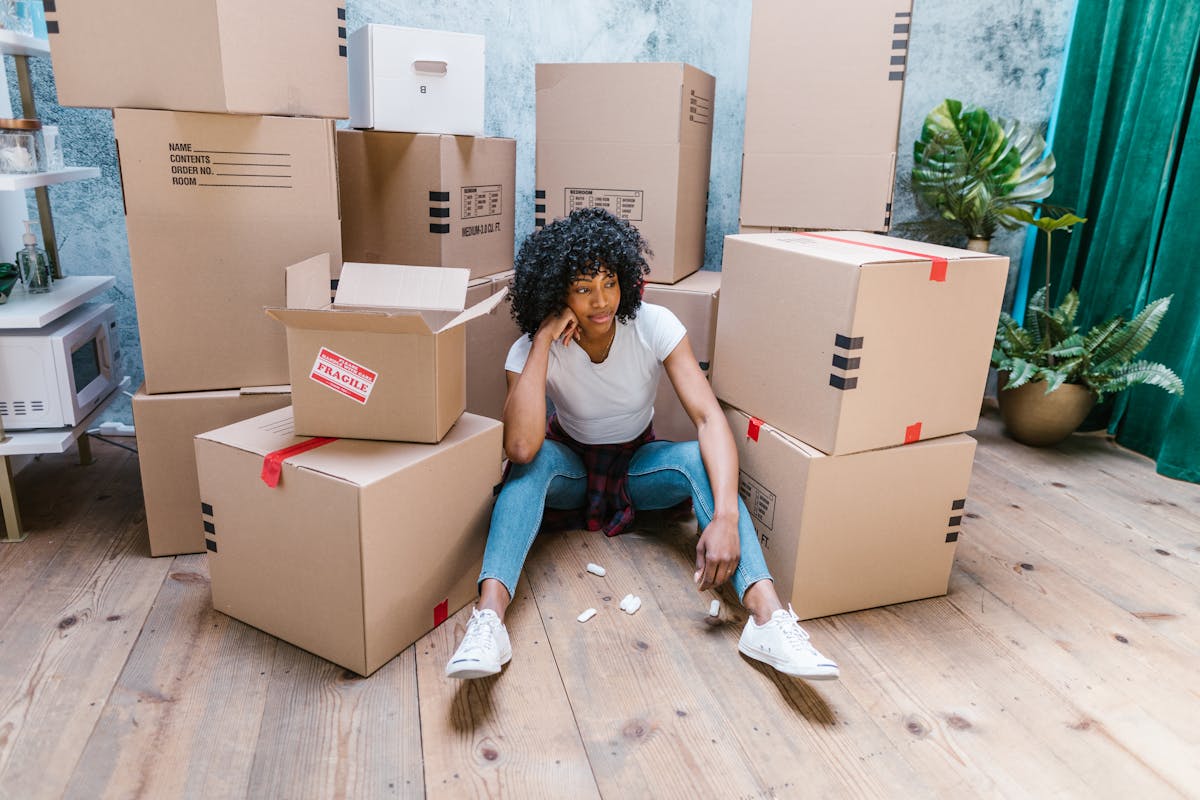
The heart of Florida’s renter crisis is simple. Rent rose faster than wages, and the gap became too large for many households to manage. A worker can budget carefully, skip vacations, cut subscriptions, buy cheaper groceries, and still end the month short if rent takes the biggest bite before anything else gets paid.
This is why the crisis feels so brutal for teachers, hotel workers, health aides, restaurant staff, warehouse workers, and retirees on fixed incomes. A rent increase of $300 or $400 a month does not sound like a policy issue when it lands in a mailbox. It feels like a personal emergency. For many renters, that increase equals groceries, gas, prescriptions, childcare, or the last piece of breathing room they had.
Florida’s Housing Wage Makes Regular Work Feel Like It Is Not Enough
Florida’s rent problem becomes clearer when we look at the housing wage. A full-time worker needs to earn far above the state minimum wage to afford a modest two-bedroom rental without becoming cost-burdened. That means the state’s rental market is no longer priced around the everyday worker it depends on.
We should sit with what that means. A person can work full-time and still fail the rent test. Two adults can work and still feel trapped if childcare, car insurance, utilities, and food keep rising while rent keeps rising. The crisis is not only about people who are unemployed. It is increasingly about people doing exactly what they were told to do, only to discover that work alone no longer guarantees housing stability.
Eviction Filings Are Turning Private Struggles Into Public Records
Eviction is often described as a legal process, but for renters, it can become a life-altering scar. Once a filing appears, even a resolved case can make it harder to rent the next apartment. Families may lose school stability, workers may lose reliable transportation, and seniors may find themselves forced into unsafe or temporary living arrangements.
Central Florida shows how quickly the pressure has moved from rent notices into courthouse filings. Counties around Orlando have seen filings stay well above pre-pandemic levels, even as tourism, development, and population growth continue to shape the region’s economy. That creates a painful contradiction. Florida keeps growing, but many of the people who serve, clean, teach, cook, deliver, and care for others are being pushed closer to the edge.
Local Governments Have Limited Power to Stop the Sharpest Rent Hikes
One of the most frustrating parts of the Florida renter crisis is that cities and counties have limited room to act. Local officials may hear complaints from tenants, watch eviction filings rise, and see workers pushed out of communities, yet state law blocks many direct rent-control efforts. That leaves local governments relying on incentives, development programs, zoning changes, and rental assistance rather than direct limits on rent increases.
This matters because housing pain is local. A rent spike in Orlando does not feel the same as one in Miami, Tampa, Jacksonville, Fort Lauderdale, or Naples. Each market has its own wages, tourism patterns, insurance costs, investor pressure, and supply issues. Yet the state’s legal structure makes it difficult for local communities to respond with the full set of tools many renters want.
Affordable Housing Is Disappearing Faster Than Florida Can Replace It
Florida does have affordable housing programs, but the supply is not sufficient to meet the scale of need. Some units remain affordable only because of time-limited restrictions tied to public funding or tax-credit programs. When those restrictions expire, buildings can move closer to market rent unless they receive new preservation funding or renewed affordability agreements.
That quiet expiration problem does not make dramatic headlines every day, but it can reshape entire communities. A building that once housed seniors, service workers, or low-income families can become unaffordable after restrictions age out. When enough of those units disappear, the state loses older affordable homes even as it struggles to build new ones. That is how a shortage becomes a treadmill.
Newcomers Are Raising Competition in Already Tight Markets
Florida’s population growth has added energy, money, and demand to the state. It has also made the rental market harder for longtime residents who did not arrive with higher incomes, remote-work salaries, home-sale profits, or cash reserves. When higher-earning newcomers compete for the same neighborhoods, landlords gain confidence that someone else can pay more.
This does not mean every newcomer is the villain. People move for jobs, family, retirement, taxes, weather, and safety. The problem is that the market often rewards the highest bidder, leaving longtime renters with few defenses. A neighborhood can change quickly when incoming money meets a limited supply, and renters usually feel that change first.
Seniors on Fixed Incomes Are Running Out of Room to Cut Back
Older renters face one of the harshest versions of the crisis. A working renter may chase overtime, switch jobs, or add gig work, though even that can be exhausting. A senior living on Social Security, retirement savings, or a small pension has fewer options when rent rises.
For seniors, housing instability can quickly become a health issue. Moving is physically difficult, deposits are expensive, and cheaper units may be far from doctors, family, public transportation, or familiar support systems. When rent eats too much of a fixed income, the sacrifices can become dangerous. Some seniors delay medical care, split pills, skip fresh food, or stay in unsafe housing because the alternative feels worse.
Workers Are Being Priced Away From the Jobs Florida Needs to Be Filled
Florida’s economy depends on workers who cannot always afford Florida’s rents. Hotels need housekeepers. Hospitals need aides. Restaurants need cooks and servers. Schools need staff. Construction sites need laborers. Theme parks, airports, grocery stores, nursing homes, and delivery networks all depend on people whose wages often trail housing costs.
That mismatch creates a practical problem for the whole state. When workers move farther away in search of cheaper rent, commutes grow longer, traffic worsens, and job turnover rises. Some leave the state entirely. Others double up with relatives or roommates. We should see this as more than a renter issue. It becomes an economic issue when the people who keep daily life moving cannot afford to live within reach of their workplaces.
Luxury Development Is Not Solving the Deepest Need
Florida has built many apartments in recent years, but new supply does not automatically mean affordable supply. Many new developments target renters who can pay premium prices. Those buildings may help some parts of the market over time, yet they do not directly solve the shortage facing extremely low-income households.
This is where the “just build more” argument becomes incomplete. More housing matters, but the type of housing matters too. A luxury tower can add units and still do little for a hotel worker, caregiver, retiree, or single parent earning modest wages. Florida needs housing across the income ladder, but the deepest pain sits at the bottom, where market-rate construction rarely reaches without subsidy, public land, incentives, or direct affordability requirements.
Eviction Creates a Chain Reaction That Lasts Long After Move-Out Day
An eviction notice does not end when a renter leaves the apartment. It can follow a family through background checks, application fees, higher deposits, rejected leases, school disruptions, job instability, and emotional stress. The damage spreads beyond the household because communities lose neighbors, children lose continuity, and employers lose workers.
We often talk about eviction as if it is the renter’s failure to pay. That view misses the larger chain reaction. If rent rises faster than wages, if assistance is limited, if legal aid is hard to access, and if affordable alternatives are scarce, eviction becomes the predictable outcome of a market with too few safety valves. A state can call that personal responsibility, but the numbers reveal a broader breakdown.
Florida Needs Preservation, Legal Aid, and Deep Affordability at the Same Time
The Florida renter crisis will not be fixed by one policy slogan. It needs emergency assistance before eviction filings are filed, legal support when landlords move quickly through the court system, more deeply affordable homes, and the preservation of older affordable properties before restrictions expire and rents reset.
A serious response would treat rental housing as infrastructure. Roads, schools, hospitals, tourism, agriculture, and public safety all depend on stable communities. Housing is the foundation beneath those systems. When renters lose that foundation, the costs show up elsewhere, from homelessness services to labor shortages to overcrowded classrooms and strained families.