American Airlines Restores Operations After Nationwide Ground Stop Triggered by IT Outage
Thousands of travelers faced unexpected delays after American Airlines temporarily halted flights nationwide because of a technical issue, forcing the airline and federal aviation officials to respond quickly as crews worked to restore normal operations.
A nationwide technology disruption briefly brought American Airlines flights to a standstill, leaving passengers across the country waiting for updates as the airline addressed the problem and began recovering its schedule.
The disruption highlighted how heavily modern air travel depends on digital systems. From flight coordination to passenger processing, even a short technical failure can create widespread delays across one of the world’s largest airline networks.
American Airlines moved quickly to communicate with travelers, saying its teams were working to resolve the issue and resume normal operations. As the system recovered, the airline shifted its focus toward getting aircraft back in the air and helping affected passengers reach their destinations.
American Airlines responds as flights are temporarily grounded nationwide.
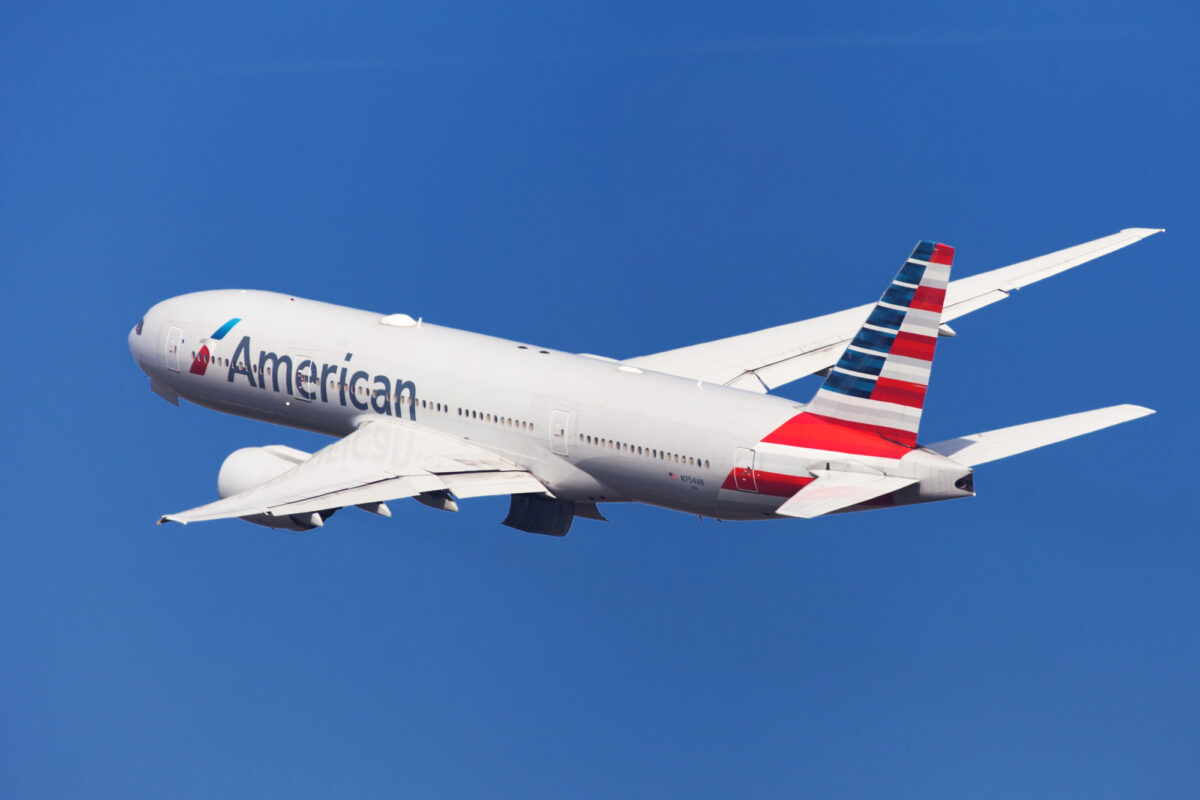
The disruption began when American Airlines experienced an information technology issue that resulted in a nationwide ground stop, preventing flights from departing while the company investigated the problem.
The airline worked with relevant aviation officials as it attempted to identify and correct the technical failure. The Federal Aviation Administration was notified of the situation and helped coordinate the response as flights remained temporarily delayed.
For passengers arriving at airports during the outage, the experience quickly became a waiting game. Travelers reported uncertainty as departure times changed and airline systems worked through the interruption.
American Airlines emphasized that its priority was restoring operations safely rather than rushing aircraft into the air before systems were fully functional.
The incident showed the challenge airlines face when technology problems occur. A single disruption can affect flight schedules, airport operations, crew assignments, and passenger connections across multiple cities.
Airline teams focus on recovery and minimizing passenger disruption.
Once the technical issue was addressed, American Airlines began the recovery process, which involved more than simply restarting flights.
Airlines must carefully rebuild schedules after a major interruption because aircraft and crews may no longer be positioned where they were originally planned. A delayed morning flight can create a chain reaction that affects later departures throughout the day.
American Airlines teams worked to return flights to normal while managing the impact on travelers who had already experienced delays.
The airline’s response centered on restoring service, updating passengers, and helping customers navigate the disruption.
For many travelers, the most important question was not only when flights would resume, but how quickly the airline could return to a reliable schedule.
Technology failures remain a major challenge for modern airlines.
The outage served as another reminder that technology reliability has become one of the biggest priorities in the aviation industry.
Airlines now depend on complex computer systems for nearly every part of daily operations. Booking platforms, flight tracking, communication networks, and airport coordination all require reliable digital infrastructure.
When those systems experience problems, airlines must balance speed with safety. Restarting operations too quickly without confirming that systems are stable could create additional problems.
American Airlines’ response demonstrated the growing importance of having emergency plans in place for technology-related disruptions.
The aviation industry has invested heavily in improving cybersecurity, backup systems, and operational recovery procedures as airlines become increasingly dependent on digital tools.
Passengers left frustrated as airline works to restore confidence.
For travelers caught in the disruption, the outage created frustration and uncertainty during already stressful journeys.
Passengers often plan flights around important events, work schedules, family commitments, and connecting travel arrangements. Even temporary delays can create significant problems when multiple flights are involved.
Airlines typically face pressure during these moments because passengers want immediate answers while operations teams are still working to understand the situation.
American Airlines’ challenge was not only fixing the technical problem but also managing customer expectations during the recovery period.
Clear communication became a key part of the airline’s response as travelers looked for updates about departure times and possible delays.
What the outage means for the future of airline operations
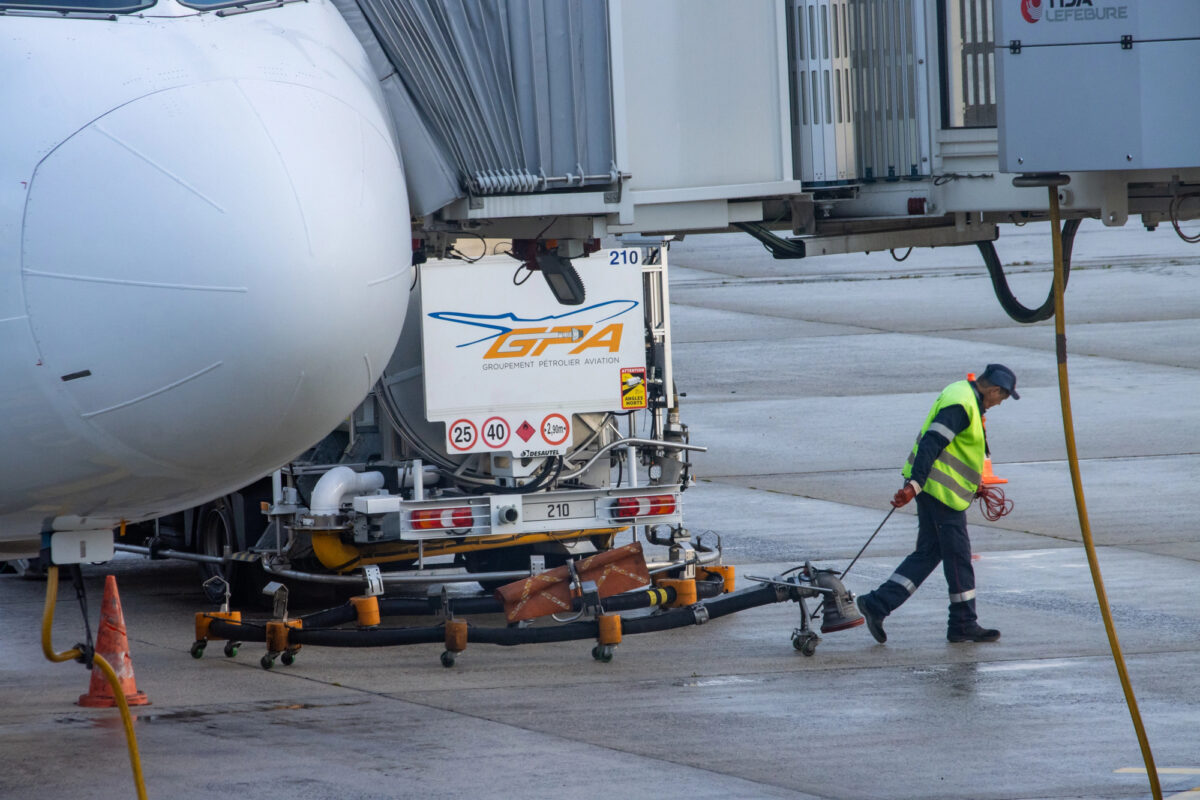
The American Airlines disruption reflects a broader issue facing the airline industry: maintaining reliable service in an increasingly digital environment.
Technology has helped airlines become more efficient, but it has also introduced new risks. A system failure that once affected a small part of an operation can now quickly impact thousands of passengers.
Airlines continue working to strengthen their technology infrastructure and improve response plans for unexpected failures.
For American Airlines, the priority after the outage was returning customers to their destinations and restoring confidence in its ability to manage major disruptions.
While the ground stop created temporary chaos, the recovery effort showed the importance of rapid response, communication, and operational flexibility when technology problems affect air travel.
As millions of passengers rely on airlines every day, incidents like this serve as a reminder that behind every flight is a complex network of systems, employees, and safety procedures working together to keep travel moving.