Utah BASE Jump Tragedy Kills Andy Lewis and Puts Extreme Sports Culture Under a Harsh New Spotlight
Andy Lewis built a life around doing what most people would never dare to attempt.
He walked lines suspended high above the earth. He performed on one of the biggest entertainment stages in America. He jumped from cliffs, pushed limits, and became a familiar name in the extreme sports world.
Now his death in a Utah canyon is forcing a harder conversation about thrill, risk, and the thin line between courage and catastrophe.
Authorities said Lewis, 39, was one of two people killed during a tandem BASE jumping accident in the Mineral Bottom area of Grand County, Utah. The second victim was identified as Danny Joe Kregle, 68, a father and grandfather from Arizona.
The tragedy has stunned the outdoor sports community and raised new questions about tandem BASE jumping, a niche activity that straps an experienced jumper and a customer together on a single parachute.
A Fatal Jump in a Remote Utah Canyon
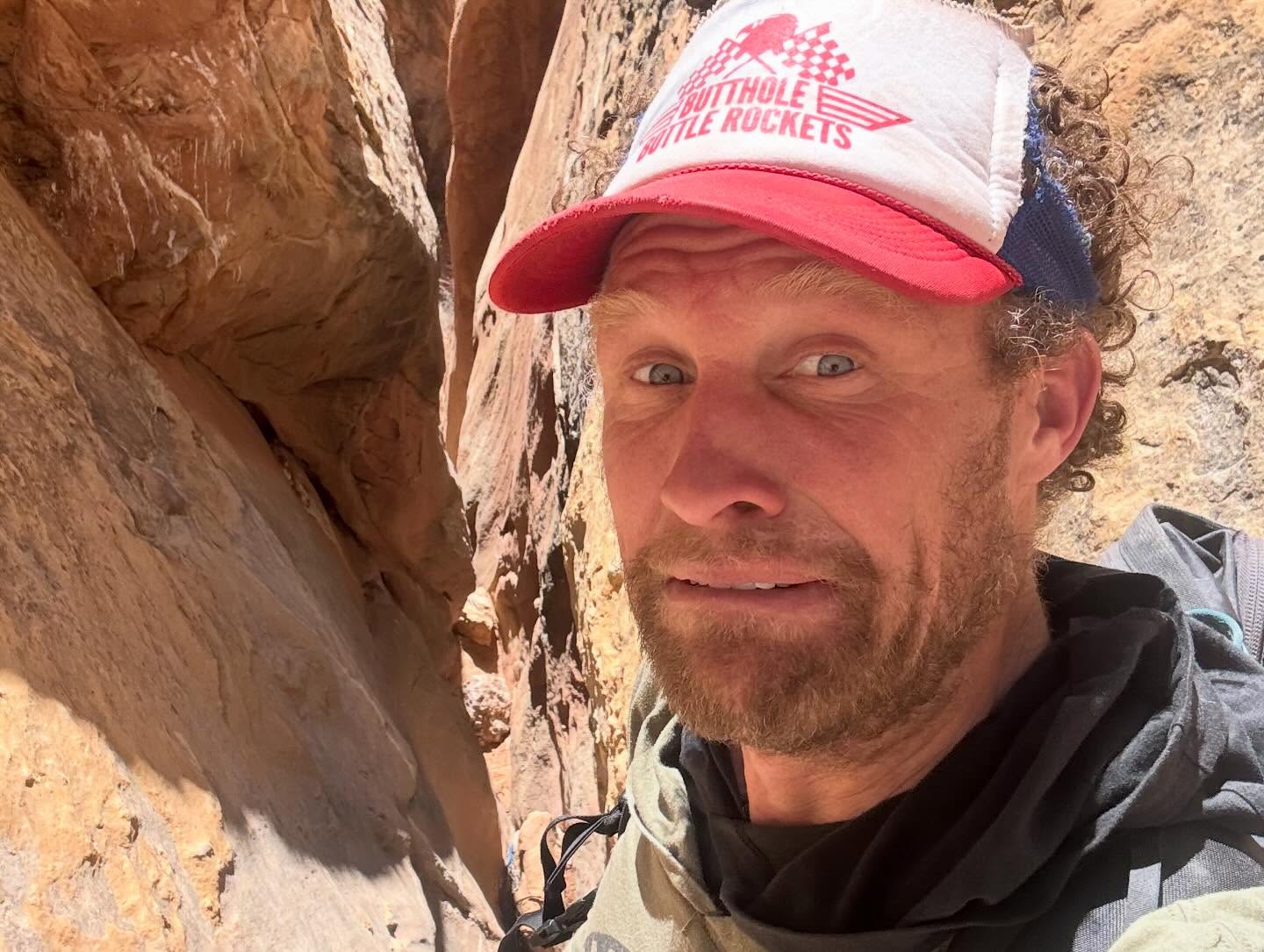
The incident happened in Mineral Bottom, a remote desert area near Moab known for its cliffs, canyons, and high-risk outdoor adventures.
Emergency responders were called after reports of people injured during a BASE jumping attempt. Rescue crews and helicopters responded to the scene, but both men died from their injuries.
Authorities have said the jump involved two people harnessed together. That detail matters because tandem BASE jumping is different from a solo jump. One person usually carries the expertise, while the other is along for the experience.
That arrangement is part of what makes the sport so thrilling for customers. It is also part of what makes the latest tragedy so difficult to process.
For outsiders, the question is simple. Why would anyone step off a cliff for fun?
For people inside the sport, the answer is more complicated. It is about freedom, control, precision, fear, and a kind of beauty that most people will only ever watch from a screen.
But when something goes wrong, the romance disappears fast.
Andy Lewis Was More Than a Daredevil Headline
Many Americans first saw Lewis without knowing his name.
He appeared duringMadonna’s 2012 Super Bowl halftime show, performing acrobatic tricks on a slackline while dressed in a Roman-style costume. For millions watching at home, it looked unreal. For Lewis, it was part of a life built around balance, nerve, and spectacle.
Before and after that moment, he was already respected in extreme sports circles. Known as “Sketchy Andy,” Lewis helped popularize modern slacklining and tricklining. He won multiple world titles in competitive slacklining and became known for stunts that looked almost impossible to ordinary viewers.
He did not just chase risk. He turned risk into performance.
That is what made him magnetic. It is also what makes his death hit so hard. Lewis was not a careless stranger who wandered into danger without understanding it. He knew the culture. He knew the math. He knew the fear. He knew what could happen.
And still, the sport took him.
The Second Victim Was a Grandfather With His Own Story
The headline will naturally center on Lewis because of his fame. But Danny Joe Kregle should not become a footnote.
Kregle was 68. He was a father and grandfather. Relatives described him as a man with humor, warmth, and a love for making people laugh.
That human detail changes the weight of the story. This was not just the death of a famous athlete. It was also the death of a family man who appears to have been seeking an unforgettable experience.
That is where the emotional tension becomes sharper.
Adventure companies often sell people the chance to feel something rare. One jump. One story. One rush that can be remembered forever. For many, that is the appeal. It is not about recklessness. It is about touching the edge of life and coming back with proof.
But in this case, two families are now left with grief instead of a story of survival.
Tandem BASE Jumping Faces New Scrutiny
BASE jumping is already considered one of the most dangerous adventure sports. Unlike skydiving, jumpers launch from fixed objects such as cliffs, bridges, towers, or buildings. There is less time to react. Less altitude to correct mistakes. Less margin for error.
Tandem BASE jumping adds another layer. A novice customer is attached to an experienced guide. That guide must manage the jump, the parachute, and the body position of two people.
Supporters argue that tandem jumps give people a controlled way to experience something extraordinary. Critics argue that the sport poses too much danger to be commercialized for first-time thrill-seekers.
That debate is not new. But Lewis’s death will likely make it louder. When a beginner dies in a risky sport, people ask about safety. When a famous expert dies alongside him, people ask something deeper.
If even one of the most experienced people in the room can be lost, how safe can the experience ever truly be?
The Seduction of Extreme Risk
America has always had a complicated relationship with danger.
We admire the people who go higher, faster, farther, and closer to the edge. We watch the videos. We share the clips. We call them fearless. We make celebrities out of the people willing to do what most of us would never attempt.
Then, when tragedy strikes, we ask why they did it.
That contradiction sits at the center of this story.
Lewis became famous because he could make danger look graceful. His gift was not just athletic ability. It was making the impossible appear almost playful. He turned fear into entertainment, and audiences loved it.
But extreme sports are not movie scenes. Gravity does not care about fame. Experience reduces risk, but it does not erase it. Talent can stretch the margin, but it cannot make the canyon harmless.
That is the brutal truth behind the beauty.
A Legacy Built on Balance and Risk

Lewis will be remembered as a pioneer in slacklining, a performer who reached a global stage, and a figure who helped push the boundaries of modern adventure sports.
His career was built on balance in every sense of the word. Balance on a line. Balance between art and danger. Balance between personal freedom and public spectacle.
But his death also leaves behind a difficult question for the industry around him.
How much risk should be packaged as experience? How clearly should customers understand what they are stepping into? And when thrill becomes business, who carries the burden when something goes wrong?
Those questions will not be answered quickly. They may not be answered neatly at all.
For now, two families are grieving. A tight-knit outdoor community is shaken. And a sport that has always lived near the edge is once again staring directly over it.
Lewis spent his life proving what the human body and mind could do when fear was mastered.
His death reminds everyone else that sometimes the edge does not move just because someone knows how to stand near it.
So the question now is not whether people will keep chasing extreme adventure. They will. The harder question is whether the rest of us should keep celebrating the risk right up until the moment it turns deadly.