13 Airport Mistakes That Can Turn Your Trip Into a Costly Disaster
Airports can make even calm travelers act like contestants in a timed reality show. One minute, we are sipping coffee and checking flight prices like organized adults. The next minute, we are sprinting through Terminal B with one shoe half-tied, a passport in our teeth, and a boarding group that disappeared ten minutes ago.
The worst airport problems rarely start with a single major disaster. They usually begin with small choices. We arrive a little late. We pack one extra bottle. We assume the gate is nearby. We ignore the screen because the app says everything is fine. Then the airport reminds us that it runs on rules, queues, security checks, and clocks.
Air travel is busy, and the pressure is real. TSA passenger-volume data for May 2026 show several days with more than 2.3 million travelers screened, with a single day in the United States alone reaching nearly 3 million. That means one careless mistake can put us behind thousands of other people before we even reach the gate.
Here are the airport mistakes we should never make for a smoother, cheaper, and less embarrassing trip.
Forgetting Passport, Visa, ID, or Boarding Pass
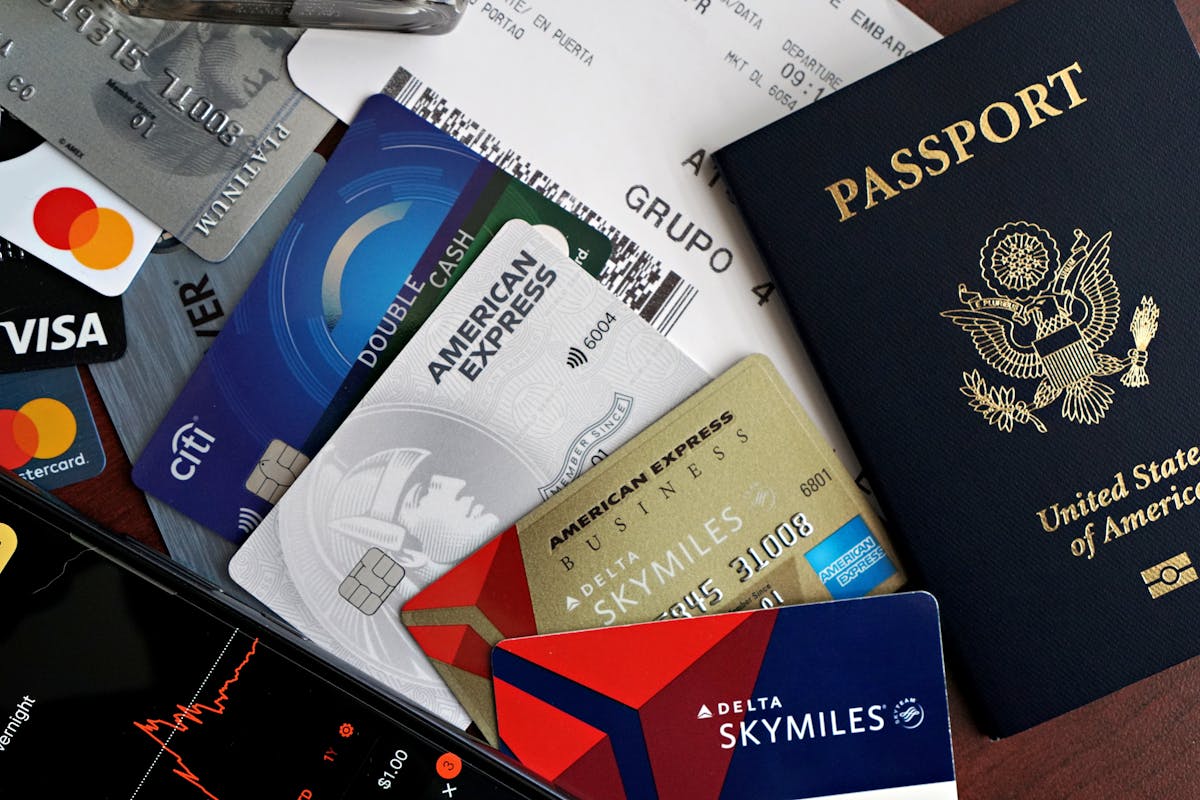
Few airport mistakes feel more painful than reaching the counter and realizing the passport is sitting safely at home. For international travel, we need a valid passport, and some countries also require a visa or electronic travel authorization before arrival. The U.S. Department of State advises travelers to check destination entry, exit, and visa requirements before travel, as requirements can vary widely.
For U.S. domestic flights, travelers also need acceptable identification. Since May 7, 2025, state-issued driver’s licenses and IDs that are not REAL ID-compliant are no longer accepted as valid identification at TSA checkpoints unless the traveler uses another acceptable ID.
We should create a ritual for creating a document before leaving home. Passport. ID. Visa. Boarding pass. Hotel confirmation. Travel insurance. Medication documents, if needed. We should say each item out loud or check it on a phone list. It may feel dramatic, but it is far less dramatic than watching a flight leave without us.
Packing Liquids Like Security Rules Are Optional
One forgotten bottle of lotion can slow down a security line. The TSA’s liquids rule still limits carry-on liquids, aerosols, gels, creams, and pastes to containers of 3.4 ounces (100 milliliters) per passenger, in one quart-sized bag. Common items like perfume, sunscreen, toothpaste, shampoo, foundation, and hair gel fall under this rule.
We should not wait until the checkpoint to discover that our “small” body wash is actually 250 milliliters. That mistake creates three bad choices. We surrender it, check the bag, or hold up everyone while repacking in public with the panic of a person defusing a bomb in a movie. A smarter move is to pack liquids together at home, use travel-size containers, and place the bag where we can remove it quickly if needed.
Putting Power Banks in Checked Luggage

A power bank feels harmless until it is packed in the wrong place. The FAA says spare lithium batteries, portable rechargers, electronic cigarettes, and vaping devices are prohibited in checked baggage and must remain with the passenger in carry-on baggage. The reason is simple. If a lithium battery overheats or catches fire in the cabin, crew members can respond quickly. If it happens in the cargo hold, the risk becomes harder to manage.
We should keep power banks, spare camera batteries, loose lithium batteries, and rechargeable devices accessible in our cabin bag. Battery terminals should be protected from contact with keys, coins, or other metal items. A power bank buried in checked luggage can create delays, bag searches, or serious safety issues. This is one airport rule we should never “risk for convenience.”
Standing in the Wrong Queue Without Checking the Signs
Airports are full of lines that look similar but lead to completely different outcomes. Bag drop is not always check-in. Priority security is not standard security. International connections may need passport control. Some gates need shuttle buses or terminal trains. One wrong queue can quietly steal 20 minutes before we realize we are nowhere near where we need to be.
We should read the signs before joining any line. That sounds painfully basic, yet it saves trips. We should also ask airport staff early, rather than waiting until we reach the wrong queue. There is no shame in asking, “Is this the line for international departures?” There is plenty of regret in discovering the answer after the gate has closed.
Arriving at the Airport Like the Plane Will Wait
The most expensive airport mistake is showing up late and hoping charm will solve everything. Airlines do not reopen closed gates because we had traffic, a long Uber ride, or a dramatic morning at home. Many airlines close check-in and boarding before the printed departure time, and some carriers list strict deadlines that can leave late passengers stranded even when the aircraft is still visible through the window.
We should treat airport arrival time like part of the flight, not as a suggestion. For domestic trips, arriving about two hours early is usually a safer cushion. For international trips, three hours gives us room for check-in, baggage drop, document checks, security, immigration, gate changes, and those mysterious airport walks that feel longer than a suburban hiking trail. The traveler who arrives early may be bored. The traveler who arrives late may have to buy another ticket.
Ignoring the Airport Screens Because the App Looks Fine

Flight apps are useful, but airport screens remain essential. Gates change. Boarding times shift. Delays shrink. Delays disappear. A flight that looked relaxed at lunch can suddenly board at a gate on the opposite side of the terminal. Announcements can also be hard to hear in busy airports, especially when we are wearing headphones or sitting near a loud café.
We should check the airport screen after security, before shopping, before eating, and again when we arrive near the gate. We should also confirm the flight number, not just the destination. Large airports may have several flights to the same city within a short window. A traveler heading to New York, London, Lagos, Dubai, or Delhi can easily follow the wrong crowd if they are moving on autopilot.
Shopping Before Finding the Gate
Duty-free stores are designed to make time disappear. The lighting is soft. The perfume smells expensive. The chocolate looks like a responsible souvenir. Then a quick browse turns into a 25-minute detour, and suddenly the gate is farther away than expected.
We should find the gate first, then the shop. This one habit prevents a surprising number of airport disasters. Once we know where the gate is, how long the walk will take, and whether boarding has started, we can decide whether there is enough time for food, coffee, gifts, or a bathroom break. Airport shopping should happen after we know the route, not before.
Failing to Plan the Arrival Before Departure
A messy arrival often begins before takeoff. We land tired; the phone battery is low; the airport Wi-Fi is unreliable; and we still have no hotel address, ride plan, local cash, roaming setup, or idea of where the transport area is. That is how travelers end up overpaying, wandering, or making rushed decisions in an unfamiliar airport.
We should plan the first hour after landing before we leave home. Hotel address saved offline. Transport option chosen. Emergency contact available. The charging cable is easy to reach. Local entry documents are ready. If we are landing late at night, this planning matters even more. A trip feels calmer when the first move after landing is already decided.
Leaving Items in Security Trays
Security trays are where phones, wallets, watches, belts, laptops, tablets, passports, jewelry, headphones, and dignity all go to fight for survival. In the rush to put shoes back on and move away from the line, travelers often grab the big bag and forget the small, valuable item. By the time they notice, the tray may already be buried under twenty others.
We should use a simple checkpoint rule. Nothing loose. Small items go into one jacket pocket, pouch, or backpack compartment before screening. After the scanner, we should step aside and do a 10-second reset. Phone. Passport. Wallet. Laptop. Bag. Shoes. That tiny pause can save hours of panic.
Packing Prohibited Items and Hoping No One Notices
Airport security is not the place to test luck. TSA officers detected 6,678 firearms at U.S. airport security checkpoints in 2024, and 94 percent were loaded. That figure shows how often dangerous packing mistakes still happen, even with years of public warnings.
We should check baggage rules before packing, especially for sharp objects, tools, sprays, sporting equipment, self-defense items, batteries, firearms, and anything flammable. TSA also states that officers may prohibit any item if they believe it poses a security threat, even if the item appears harmless to the traveler.
The best airport strategy is not to argue at the checkpoint. It is to avoid the argument entirely by checking the rules before leaving home.
Blocking Walkways, Escalators, and Boarding Areas

Bad airport behavior does not always break official rules, but it can still cause chaos. Stopping at the top of an escalator to check a phone is dangerous. Blocking a moving walkway with a suitcase turns a travel tool into a traffic jam. Crowding the gate before a boarding group is called makes the process slower for everyone.
We should move like we are sharing space with tired families, nervous first-time flyers, older travelers, airport workers, and people racing for connections. Step aside before checking messages. Keep bags close. Let faster travelers pass on moving walkways. Wait for the boarding group before joining the crowd at the gate. Airport courtesy is not just politeness. It is traffic control.
Wearing the Wrong Outfit for Security and Comfort
Airport fashion can be stylish, but it should not fight the journey. Heavy boots, complicated belts, metal jewelry, tight layers, and coats with ten pockets can turn security into a personal obstacle course. We should also think about comfort after security because flights can be cold, seats can be tight, and delays can stretch for hours.
The best travel outfit is simple, layered, and easy to manage. Shoes should be taken off and put back on quickly if required. Pockets should not be stuffed with coins, keys, receipts, and random metal objects. A light jacket, breathable clothing, and practical footwear can make the difference between a smooth airport morning and a sweaty, irritated mess before boarding.
Joking About Bombs, Weapons, or Security Threats
Airport security is the wrong place for edgy humor. Jokes about bombs, guns, knives, explosives, hijacking, or suspicious items can trigger investigations, delays, questioning, missed flights, and law enforcement involvement. TSA screening exists to prevent prohibited items and threats from entering secured airport areas, so security officers cannot treat threat language as casual banter.
We should keep conversations at security boring, polite, and direct. There is no prize for being the funniest person at the checkpoint. The traveler who jokes about a bomb may think they are lightening the mood. Everyone else hears one thing. Delay. Airports are stressful enough without turning a bad joke into a security incident.
Final Boarding Thought
The airport is where the trip really begins. It can feel exciting, tense, noisy, expensive, and strangely emotional all at once. Someone is flying home after years away. Someone is heading to a wedding. Someone is taking their first international trip. Someone is trying to make a business meeting that starts two hours after landing.
That is why the small choices matter. We should arrive early, pack wisely, respect security measures, have documents ready, watch the screens, and find the gate before distractions take over. A smooth flight does not start in the air. It starts with the decisions we make before boarding.
When we avoid these airport mistakes, we do more than protect a ticket. We protect the whole journey.