10 Travel Mistakes That Can Quietly Ruin a Great Trip
Travel has a funny way of exposing the little things we thought would not matter. One wrong outfit, one missing document, one rushed booking, or one careless assumption can turn a dream vacation into a stressful guessing game. The suitcase may be packed, the hotel may be booked, and the photos may already look perfect in your head, but smooth travel usually depends on the details people ignore.
The best trips are not always the most expensive ones. They are the ones where we move through a new place with respect, patience, and enough preparation to avoid obvious headaches.
These are the travel mistakes worth avoiding before they steal the joy from the journey.
Forgetting Important Documents
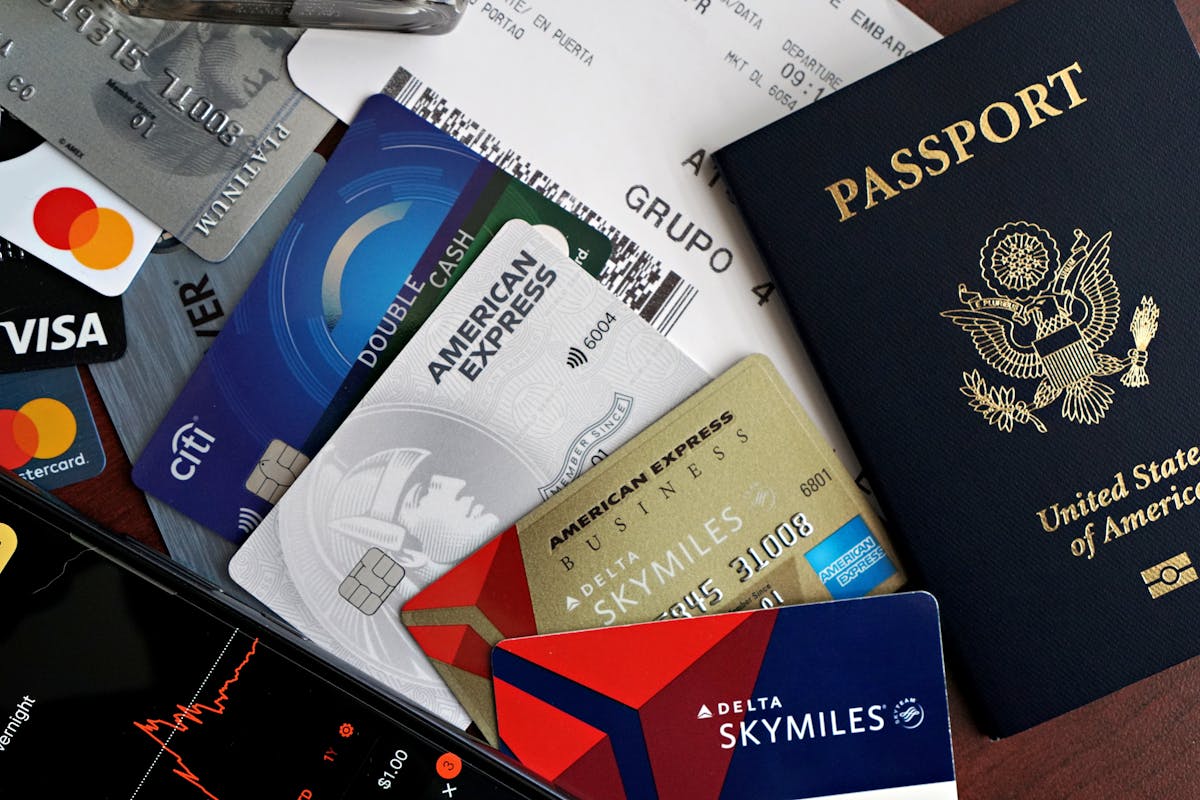
Nothing kills vacation excitement faster than a document problem at the airport. A passport that expires too soon, a missing visa, a forgotten travel authorization, or a lost booking confirmation can stop a trip before it starts. These are not dramatic mistakes. They are boring mistakes, which makes them even more painful.
Before leaving, check passport validity, visa rules, entry requirements, travel insurance papers, booking confirmations, and identification. Keep digital copies stored safely and carry printed backups where needed. Do not carry every original document unless necessary. Leave key papers secured at the hotel and carry copies for daily use. A smart document plan can save hours of panic later.
Assuming Everyone Speaks English
This mistake seems harmless until you are standing in a train station, a pharmacy, a taxi line, or a local market, trying to explain something important with your hands. English may be common in airports, hotels, and tourist areas, but it won’t be used in every conversation in every destination. Once we leave the polished visitor zones, language becomes part of the real adventure.
Learning a few local phrases can change the entire mood of a trip. A simple hello, thank you, please, excuse me, and how much does this cost can make locals warmer and interactions smoother. People usually appreciate effort, even when the pronunciation is messy. A translation app helps, but a traveler who tries to speak the local language often earns more patience, better help, and a kinder welcome.
Ignoring Local Customs
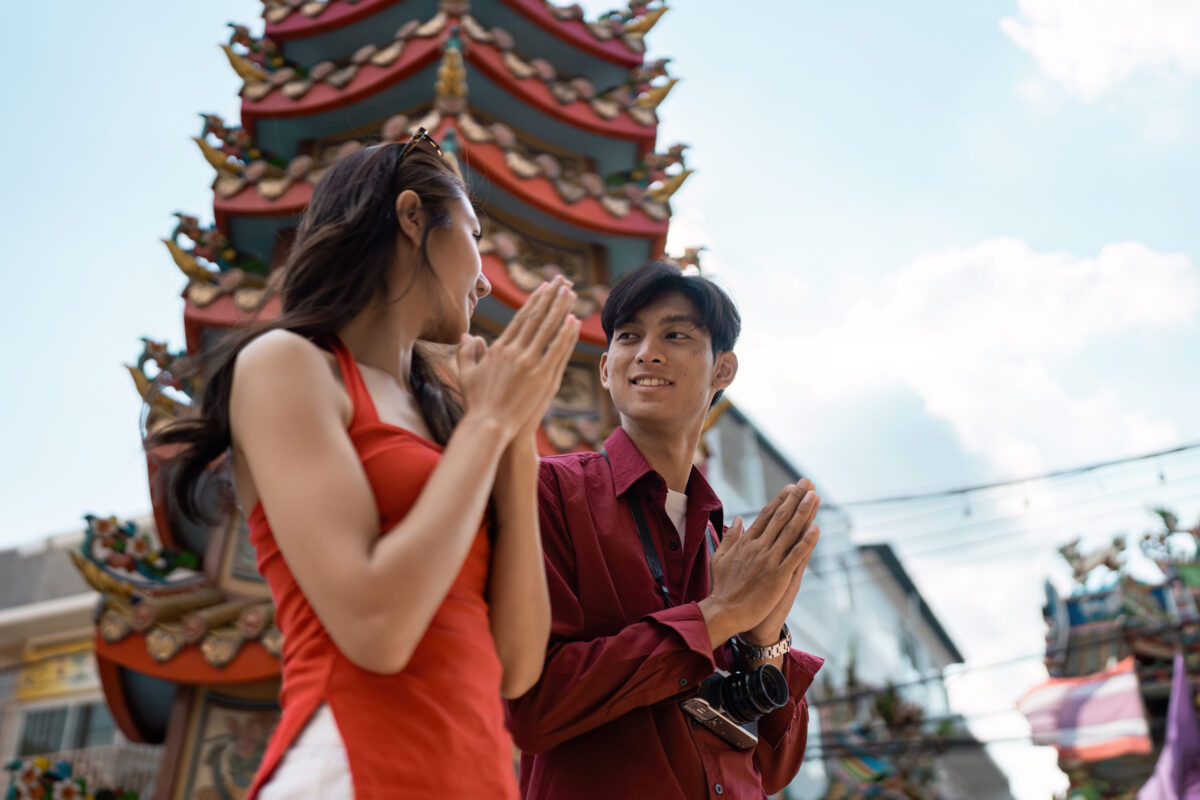
Every destination has rules that may not be posted. Some customs involve clothing, greetings, food, gestures, religion, silence, personal space, or public behavior. What feels normal at home may feel rude somewhere else, especially in places with deep traditions or strong religious values.
Before traveling, we should learn the basic cultural expectations of the destination. That includes how to dress in sacred spaces, how to greet people, how to behave at markets, and what gestures to avoid. Respect does not mean pretending to be local. It means understanding that we are guests. A little cultural awareness can prevent awkward moments and help us enjoy the destination with more grace.
Packing Clothes That Do Not Fit the Destination
A travel outfit should match more than the weather. It should match the place, the culture, and the activities on the itinerary. Some travelers pack for Instagram first and comfort second, then spend the trip adjusting straps, buying cover ups, or realizing their shoes were made for photos rather than pavement.
The smartest suitcase includes practical clothes that still feel stylish. Lightweight layers, comfortable walking shoes, modest pieces for religious sites, and outfits that work for different settings can save space and stress. Beachwear belongs at the beach. Hiking clothes belong on trails. City travel requires shoes that can withstand long walks, stairs, rain, dust, and unexpected detours. Good travel style should help you move, not trap you.
Carrying Too Much Luggage
Overpacking turns movement into negotiation. It makes airport transfers more difficult, adds baggage fees, slows public transport, and creates stress in hotels without elevators. The more we carry, the more we have to protect, drag, lift, and repack.
A lighter bag gives the trip more freedom. Pack clothes that mix well, choose items that serve more than one purpose, and leave behind outfits meant for imaginary situations. Most travelers need less than they think. Essentials matter most: documents, medicine, chargers, comfortable clothing, toiletries, and shoes that will not betray you by day two. Travel feels better when your suitcase is not bullying you through every city.
Skipping Travel Insurance

Travel insurance feels easy to ignore when everything is going well. Then a flight gets canceled, luggage disappears, someone gets sick, or a fall on a slippery street turns into an expensive medical visit. Travel has too many moving parts to rely on luck alone.
A good policy should match the trip. Medical coverage, emergency support, baggage protection, trip cancellation, and interruption coverage all matter. Travelers engaging in adventure activities should read the fine print carefully, as not every policy covers hiking, diving, skiing, or motorbike accidents. Insurance will not prevent problems from happening, but it can keep a single bad moment from becoming a financial disaster.
Paying Without Understanding Local Money Habits

Money confusion can quietly drain a travel budget. Some travelers rely only on cards in places where cash still matters. Others carry too much cash and spend the whole trip worried about theft. Some accept poor exchange rates, pay in their home currency at card terminals, or forget that small vendors may not take international cards.
A balanced money plan works best. Carry some local currency for taxis, tips, markets, public transport, small shops, and emergencies. Use cards wisely, check foreign transaction fees, and keep one backup payment method separate from the main wallet. Learn the rough exchange rate before shopping so you can make quick decisions without feeling lost. Money should support the trip, not become the trip’s daily headache.
Rushing Through Meals
Food is one of the easiest ways to understand a place, yet many travelers treat meals like interruptions between attractions. They eat too fast, choose familiar chains, or complain that local food doesn’t taste like home. That approach can make a destination feel smaller than it really is.
Slow down at the table. Visit markets, small cafes, bakeries, street food stalls, and family run restaurants. Watch how locals eat, what they order, and when they gather. A meal can reveal history, climate, family traditions, and regional pride. You do not have to love everything, but tasting with curiosity makes travel richer. The best souvenir may not fit in your suitcase. It may be the flavor you keep remembering months later.
Staying Only in Tourist Areas
Tourist sites are famous for a reason, but they are rarely the whole story. If we only move between the hotel, the main square, the top attraction, and the souvenir shop, we may leave with photos but very little understanding. A destination becomes more interesting when we see how people actually live.
Explore beyond the obvious, but do it wisely. Visit local neighborhoods, public parks, food markets, independent shops, community events, and quieter streets recommended by trusted locals. Use guided walks, local transport when safe, or well reviewed cultural experiences to go deeper. The goal is not to avoid popular attractions. The goal is to balance them with real texture. A city is more than its postcard angle.
Treating Sacred Sites and Monuments Like Photo Props
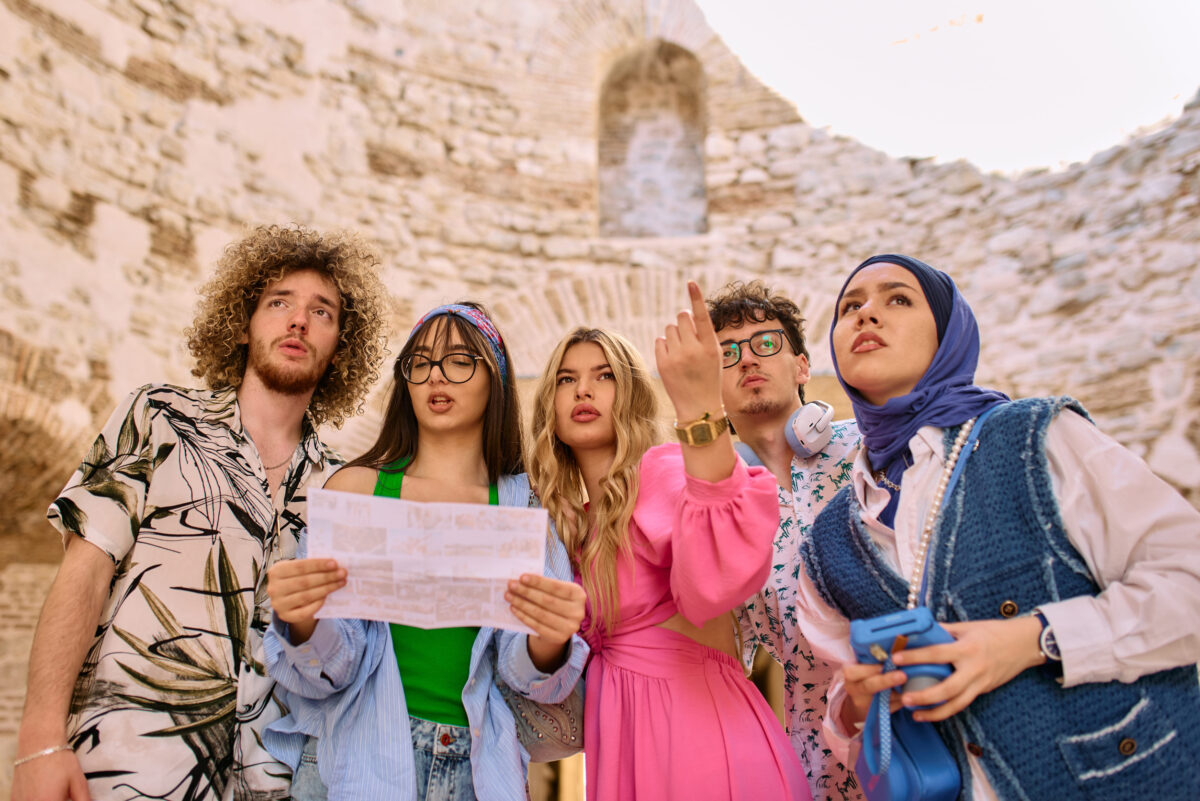
Some travelers forget that monuments, memorials, temples, churches, mosques, cemeteries, and historic sites carry meaning beyond tourism. Loud voices, careless selfies, inappropriate clothing, climbing restricted areas, touching fragile structures, or filming people without permission can feel deeply disrespectful. A sacred or historic place is not just a backdrop for content.
Read the rules before entering. Cover up when required, lower your voice, remove shoes where expected, avoid flash photography, and do not photograph worshippers or private ceremonies without permission. The best travelers know when to put the phone down. Some places deserve attention more than documentation. Respect gives the memory more weight than a rushed photo ever could.