Apple-Picking Robots Use AI To Spot And Harvest Perfect Fruit
Advanced machines powered by artificial intelligence are transforming apple farming by identifying ripe fruit, reducing labor challenges, and improving harvest efficiency.
Worldwide, apple growers are turning to artificial intelligence and robotics to solve one of agriculture’s biggest challenges: harvesting fruit at the right time with enough workers to do the job.
New apple-picking robots equipped with AI technology are being developed and tested to identify ripe apples, carefully remove them from trees, and handle delicate fruit without causing damage. The technology represents a major shift in farming, where machines are increasingly being used to support human workers and improve productivity.
For an industry that depends heavily on seasonal labor, these robotic systems could provide a new way to manage harvests while helping farmers respond to rising costs, labor shortages, and growing consumer demand for high-quality produce.
The Challenge of Modern Apple Farming
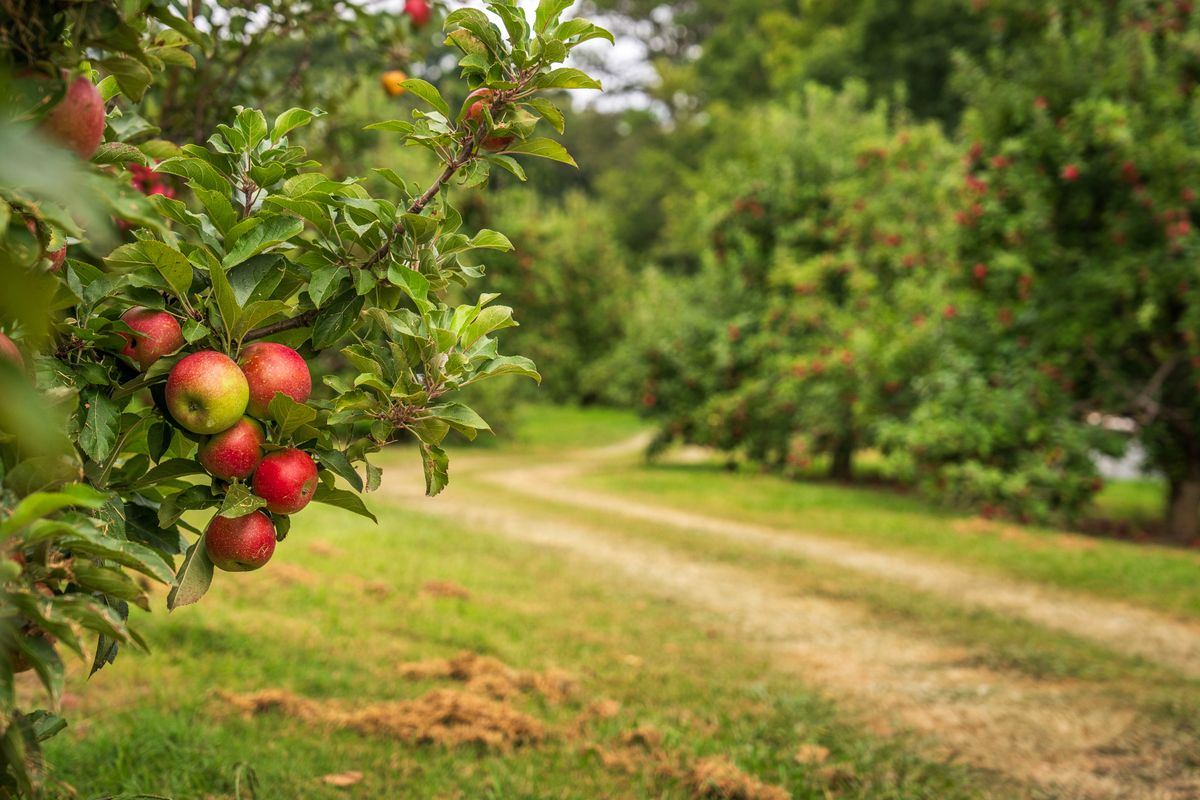
Apple harvesting has traditionally depended on large numbers of workers who carefully pick fruit by hand. Unlike crops that can be harvested mechanically all at once, apples require careful handling because each fruit grows differently and may mature at a different pace.
Workers must identify which apples are ready, avoid damaging branches, and place fruit into containers without bruising them. This process requires skill, patience, and physical effort.
However, many farming regions have experienced increasing difficulties finding enough seasonal workers during harvest periods. Labor shortages can cause delays, forcing farmers to race against weather conditions and the natural ripening cycle of their crops.
Robotic harvesting technology is emerging as a potential solution to these challenges.
How AI-Powered Apple Pickers Work
Modern apple-picking robots combine several technologies, including cameras, sensors, artificial intelligence software, and robotic arms.
The process begins with the robot scanning apple trees using advanced cameras. AI systems analyze images of the fruit, identifying factors such as size, color, shape, and position.
Unlike traditional machines that may collect everything in their path, AI-powered robots make decisions. They can determine whether an apple appears mature enough to harvest and find the best way to reach it.
Once the robot identifies a suitable apple, a robotic arm carefully moves toward the fruit. Specialized gripping tools or suction systems remove the apple from the tree while minimizing bruising.
The harvested fruit is then placed into collection containers for sorting and transportation.
Artificial Intelligence Gives Robots Better Vision
One of the biggest breakthroughs behind robotic harvesting is computer vision technology.
Human workers can quickly recognize ripe fruit because they understand patterns developed through experience. Teaching machines to do the same has been a major challenge.
AI systems are now trained using thousands of images of apples in different conditions. They learn to recognize variations caused by lighting, shadows, different apple varieties, and changing weather conditions.
This allows robots to operate more effectively in real orchards, where conditions are rarely perfect.
Machine learning also allows these systems to improve over time. As robots collect more information, their ability to identify fruit and navigate trees can become more accurate.
Reducing Food Waste and Improving Quality
One potential advantage of AI harvesting technology is improved fruit quality.
Apples can lose value if they are bruised, damaged, or picked too early or too late. Careful harvesting helps farmers deliver better products to consumers.
Robots can also collect detailed crop information. Sensors and AI systems may help farmers monitor fruit development, identify production patterns, and make decisions about irrigation, fertilization, and orchard management.
By combining harvesting with data collection, robotic systems could become part of a broader move toward precision agriculture.
Helping Farmers Manage Labor Shortages
Labor shortages have become one of the biggest concerns facing agriculture in many countries. Fruit farms often depend on temporary workers who arrive during short harvesting seasons.
When workers are unavailable, crops can remain on trees longer than expected, increasing the risk of losses.
Robots are not necessarily designed to replace farm workers entirely. Instead, many developers describe them as tools that can work alongside people, handling repetitive or physically demanding tasks while allowing workers to focus on other responsibilities.
In the future, farms may combine human expertise with robotic assistance to improve efficiency.
The Difficulties of Robotic Harvesting
Despite major advances, apple-picking robots still face challenges before they become common on farms worldwide.
One challenge is the complexity of natural environments. Orchards are not controlled factory spaces. Trees vary in shape, branches block fruit, weather changes conditions, and apples may grow in difficult positions.
A robot that performs well in a laboratory or controlled demonstration must also prove it can operate reliably outdoors.
Cost is another important factor. Advanced robotic systems require significant investment, and smaller farms may struggle to afford the technology without financial support or lower-cost options.
Developers are working to make robots more affordable, efficient, and practical for different farming operations.
The Future of Agricultural Robotics
Apple-picking robots are part of a larger trend toward automation in agriculture. Around the world, farmers are experimenting with machines that can plant seeds, remove weeds, monitor crops, and harvest produce.
As technology improves, agriculture is becoming increasingly connected with artificial intelligence, data analysis, and automation.
Future farms may use networks of smart machines that communicate with each other, providing farmers with real-time information about crop health and production.
The goal is not simply to replace traditional farming methods but to create systems that are more efficient, sustainable, and resilient.
A New Era for Apple Orchards
The introduction of AI-powered apple-picking robots marks an important moment in the evolution of farming. For centuries, harvesting has relied on human hands and experience. Now, advanced machines are learning to perform tasks that once seemed impossible for robots.
While challenges remain, the technology offers promising possibilities. Farmers could benefit from faster harvesting, reduced waste, and better crop management. Consumers could eventually see improvements in fruit availability and quality.
The relationship between humans and machines in agriculture will likely continue to evolve. Rather than eliminating farmers’ roles, robotics may provide new tools that help them meet the demands of a changing food system.
Final Thoughts
AI-powered apple-picking robots represent a fascinating combination of agriculture and technology. By using cameras, machine learning, and robotic precision, these machines are changing how farms approach one of their most important tasks.
Although widespread adoption may still take time, the progress made so far suggests the future of farming will likely include smarter, more automated systems.
As orchards face challenges from labor shortages, climate pressures, and rising demand, artificial intelligence may become an increasingly important partner in producing the perfect apple.