6 Easy Tricks for Making Delicious One-Pot Goulash Without the Extra Mess
Some dinners are worth making until you remember the pile of dirty dishes waiting afterward. A hearty bowl of homemade goulash sounds comforting, but preparing the beef, cooking the sauce, and boiling pasta separately can turn a simple meal into a kitchen cleanup project.
Fortunately, there’s an easier way to enjoy this classic American comfort food. With the right techniques, you can make flavorful goulash in one pot while minimizing dirty dishes.
American-style goulash combines ground beef, tomatoes, elbow macaroni, and seasonings. Unlike traditional Hungarian goulash, a paprika-based meat stew, the American version combines pasta and a tomato-rich sauce in one satisfying dish.
The trick isn’t to toss every ingredient into the pot simultaneously. Knowing how to build flavor, manage moisture, and cook pasta properly makes all the difference.
Here are six practical tips for preparing delicious one-pot goulash with less cleanup.
Start With the Right Cooking Pot
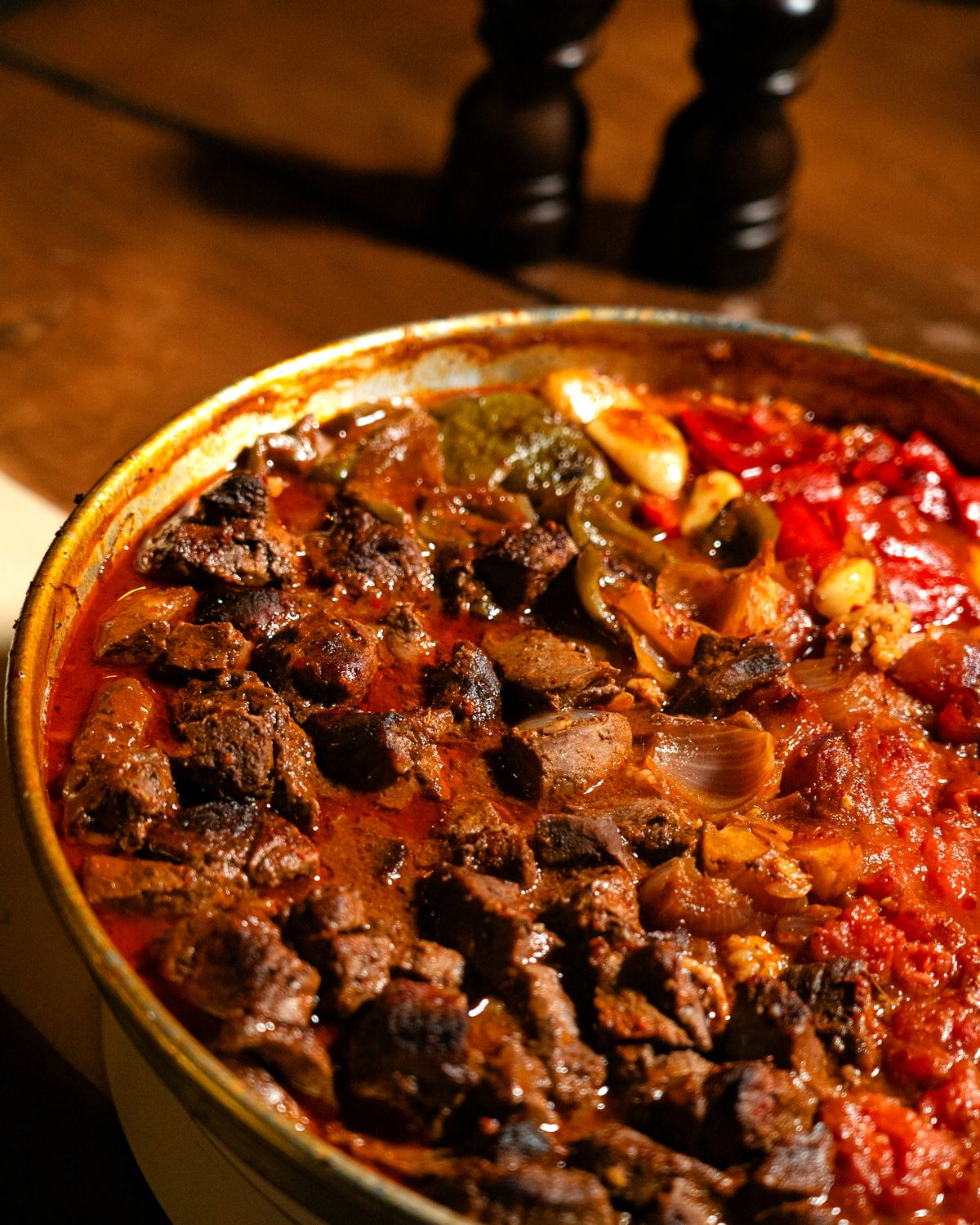
Before you chop onions or open a can of tomatoes, choose a pot that can handle the whole meal. A large, sturdy soup pot or Dutch oven is a good place to start. You need enough room to cook the ground beef, stir the sauce, and add pasta without overcrowding everything.
According to Budget Bytes, heavy-duty cookware distributes heat more evenly, helping prevent hot and cold spots that can affect how the pasta cooks. Thin cookware can make it harder to maintain consistent heat, especially as the sauce thickens.
A Dutch oven is helpful, but it isn’t essential. Any suitable heavy-bottomed pot with enough space for the ingredients can work. The biggest advantage is convenience. Instead of browning beef in one skillet and transferring it into another pot, you can keep the entire cooking process in one place. That means fewer cooking vessels to wash afterward.
Related: 8 Kitchen Tasks You’re Making Way Harder Than They Need To Be
Cook the Beef and Vegetables Together in the Same Pot
One-pot cooking doesn’t mean sacrificing the steps that make homemade goulash flavorful. Start by building your base directly in the pot. The Budget Bytes American goulash recipe starts with sautéing onion and garlic in olive oil. Diced peppers are added before the ground beef goes into the mixture.
Cooking these ingredients before adding tomato sauce lets you build the dish in stages. Other recipes take a slightly different approach, sometimes cooking the beef and onion together before introducing garlic. Either way, there’s no need to use a separate skillet.
Follow your chosen recipe’s cooking order rather than adding the raw meat, vegetables, pasta, and sauce all at once. Remember, browned meat isn’t proof it’s reached a safe temperature. The USDA recommends cooking ground beef to 160°F, measured using a food thermometer. Once the beef is properly cooked, you’re ready to build the sauce.
Use the Browned Bits to Add More Flavor
After cooking ground beef, you may notice small browned bits stuck to the bottom of the pot. Don’t overlook them. Those browned bits can add depth to your sauce. The technique is called deglazing, and it involves adding liquid to loosen the cooked residue from the pot.
Budget Bytes recommends using red wine for this step, though beef broth is also an acceptable substitute. Add the specified liquid and gently stir to release the browned bits. As they loosen, they incorporate into the mixture instead of sticking to the cookware.
This is a useful way to make the most of the ingredients you’ve already cooked. However, wine isn’t necessary for every goulash recipe, and deglazing quantities aren’t universal. Follow the instructions for whichever recipe you’re preparing. The best part is that the entire process happens in the same pot, so you don’t have another pan to clean.
Let the Sauce Develop Before Adding the Pasta
One common mistake when making one-pot pasta dishes is introducing the macaroni too early. Although the ingredients eventually cook together, the tomato sauce benefits from having its own cooking stage. In the Budget Bytes method, diced tomatoes, tomato sauce, seasonings, and measured water are added after the beef has been cooked.
The sauce then simmers before the uncooked macaroni is introduced. This gives the tomato mixture time to develop its flavor without exposing the pasta to an unnecessarily long cooking period. Different recipes recommend different simmering times, so no single rule works for every version.
Once your sauce is ready, add the dry macaroni directly to the pot. There’s no need to boil pasta separately or drain it afterward. That means you can skip the extra saucepan and colander normally used for pasta.
Pay Attention to the Liquid and Keep Stirring
Cooking macaroni in sauce is convenient, but moisture management matters. Pasta needs sufficient liquid to become tender, and the tomatoes contribute to that cooking mixture. Rather than guessing, begin with the ingredient proportions specified in your recipe.
Remember that canned tomatoes may contribute their juices, so draining them without instructions can change the amount of liquid available. During cooking, stir the macaroni occasionally to keep it from sticking to the bottom. The Budget Bytes method keeps the pot covered during the pasta simmer, lifting the lid only when you need to stir.
If the mixture becomes too thick while the macaroni remains firm, Spend With Pennies recommends adding small splashes of water or broth. Avoid adding too much liquid at once. Different pasta shapes and cookware can change how the mixture behaves, so check occasionally.
Check the Macaroni Before Turning Off the Heat
A cooking timer is helpful, but it shouldn’t be your only guide. Before serving, check whether the macaroni has reached the desired tenderness.
Budget Bytes recommends about 10 to 12 minutes for the pasta-cooking stage, though cooking times can vary. Once the pasta is tender, taste the completed goulash and adjust the seasoning if needed.
If you’ve used bay leaves, remove them before serving. You don’t need an elaborate finishing process. A final check of the pasta and sauce helps ensure the dish is ready.
A Delicious Dinner With Less Cleanup
Delicious homemade goulash doesn’t have to involve multiple pots and pans. Choosing sturdy cookware, building flavor in stages, simmering the sauce before adding pasta, and watching the liquid can make the cooking process more manageable.
You’ll still have some utensils to wash, but keeping everything in one cooking vessel cuts down on cleanup. And that’s a welcome reward after a comforting homemade dinner.
Other Posts You May Like
. 10 Best Easy Dinner Recipes for Families
. 7 Tips for Hosting a Successful Summer Barbecue or Cookout