Trump’s Election Speech Raises New Questions About Trust, Security and the Future of Voting
A single speech can change the direction of a political debate, and Trump’s election speech has pushed election security back into the center of America’s national conversation. By focusing on foreign interference, voter information, election systems, and the SAVE Act, President Donald Trump presented a warning about the future of American elections. Supporters viewed the speech as a demand for stronger protections, while critics argued that some claims moved beyond what available evidence confirms.
The debate surrounding Trump’s election speech is about more than one political moment. It reflects a broader struggle over how Americans define election integrity, how governments respond to cyber threats, and how leaders maintain public confidence in democratic institutions. The speech raised difficult questions about whether highlighting vulnerabilities strengthens elections or risks creating deeper distrust.
Election security has become one of the most important political issues in recent years. Foreign governments have attempted influence campaigns, cyberattacks against public institutions have increased, and voters have become more concerned about the reliability of election systems. The challenge now is separating genuine security concerns from claims that require stronger evidence.
The Trust Challenge Behind Trump’s Election Speech
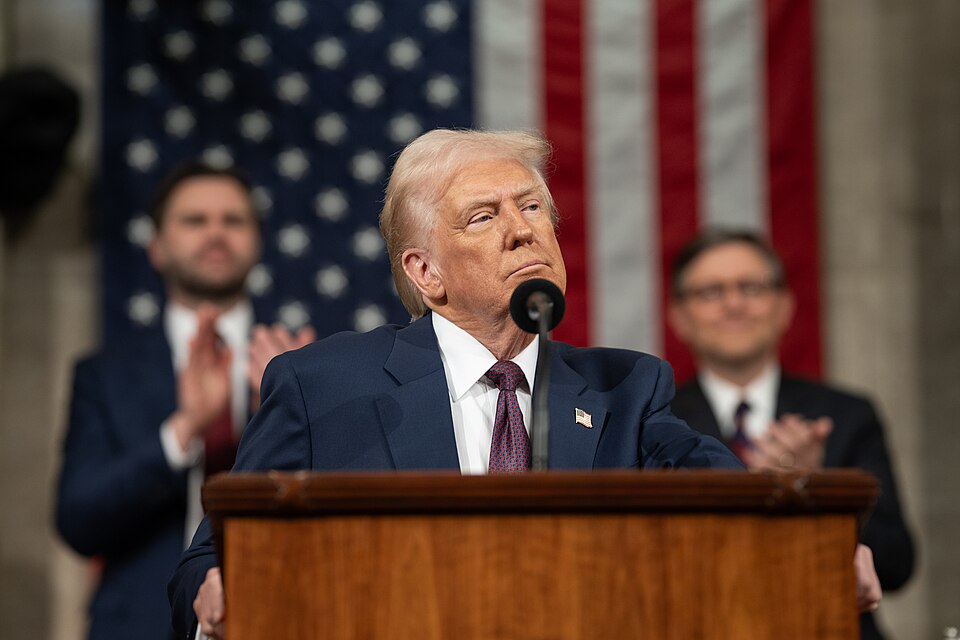
The strongest part of Trump’s election message focused on a concern shared across much of the political spectrum: protecting elections from outside threats. Foreign governments do attempt to influence American politics, and cybersecurity experts have repeatedly warned that election infrastructure requires constant protection. The disagreement begins when those risks are connected to claims about specific election outcomes.
Supporters of Trump’s election speech argue that public confidence depends on stronger safeguards. They believe voters need reassurance that registration systems, voting procedures, and election technology are protected from manipulation. For these voters, stricter rules represent a way to defend the legitimacy of future elections.
However, election trust depends on more than security measures alone. It also depends on whether citizens believe political leaders are presenting evidence accurately and responsibly. When warnings about possible threats become statements of certainty without verified proof, public understanding can become more complicated.
This creates a difficult political balance. Leaders must explain real vulnerabilities without implying that every weakness has already been exploited. A secure election system requires honesty about risks while maintaining confidence that safeguards are working.
The China Debate Reveals the Difference Between Data and Control
One of the most discussed parts of Trump’s election speech involved claims about China obtaining large amounts of American voter information. The issue gained attention because China remains one of the United States’ most significant strategic competitors. Cybersecurity experts have long documented Beijing’s interest in collecting information about governments, businesses and political organizations.
The concern over voter data is understandable. Information such as names, addresses, voting history and political affiliation can provide insight into a population’s behavior. Foreign governments could potentially use such information to improve influence campaigns, identify targets, or better understand political divisions.
However, collecting voter information is different from changing election results. Publicly available evidence does not show that obtaining voter records enabled China or any other foreign government to alter ballots, manipulate counting systems, or determine the outcome of the 2020 election.
This distinction is central to understanding election security. A foreign government gathering information represents an intelligence concern, but it does not automatically prove election interference. The difference between influence and direct manipulation remains one of the most important issues raised by Trump’s election speech.
The Missing Evidence Question Continues to Shape the Debate
Behind much of the controversy surrounding Trump’s election speech is a fundamental question: what separates a warning from proof? Intelligence agencies often collect information about potential threats before they materialize. These reports can include suspected plans, potential capabilities, and incomplete information.
National security officials rely on intelligence because waiting for complete certainty can create serious risks. Governments must identify possible dangers before they happen. However, intelligence assessments usually include confidence levels, and not every reported possibility becomes a confirmed event.
The history of intelligence analysis shows why caution matters. Before the Iraq War, debates emerged over how intelligence information was interpreted and presented to policymakers. The experience demonstrated the importance of distinguishing between raw information, analysis, and verified facts.
The same principle applies to election security. A foreign actor attempting to influence public opinion is different from one that successfully changes votes. A cybersecurity weakness is different from a confirmed breach. These differences shape how experts evaluate claims about elections.
America’s Voting System Faces Threats, But Protections Have Expanded
The debate around Trump’s election speech also highlights a reality that many election officials acknowledge: American voting systems face genuine challenges. Thousands of local election offices operate across the country, creating a complex network of technology, procedures and personnel. That complexity requires continuous improvement.
Since the 2016 election, governments have invested heavily in election cybersecurity. States have improved network protections, expanded training programs, and strengthened cooperation between local officials and federal agencies. Election administrators have also increased the use of paper records and auditing procedures.
Paper ballots have become one of the most important safeguards in modern elections. They provide a physical record that can be reviewed during audits and recounts. This approach creates an additional layer of verification when questions arise about electronic results.
The existence of vulnerabilities does not mean elections are failing. Every major public system faces risks, from financial networks to transportation infrastructure. The goal of election security is not perfection but resilience, transparency, and the ability to detect and correct problems.
The SAVE Act Debate Shows a Political Divide Over Solutions
The final portion of Trump’s election speech focused heavily on the SAVE Act, a proposal designed to strengthen voter verification requirements. Supporters argue that proof-of-citizenship requirements would increase confidence and prevent ineligible individuals from registering for federal elections.
Opponents argue that the legislation could create new barriers for eligible voters. They point to challenges involving missing documents, outdated records, and differences between government databases. Their concern is that strict requirements could unintentionally affect citizens who have the legal right to vote.
The debate reflects a larger disagreement about how America should balance security and access. Republicans generally emphasize stronger verification standards, while Democrats often focus on preventing unnecessary restrictions. Both sides claim to support election integrity, but they define the path toward that goal differently.
The political challenge extends beyond the legislation itself. Some Republican lawmakers support stricter election rules but question whether the timing and implementation process could create problems before upcoming elections. The discussion shows that election policy remains a complicated issue even within political parties.
The Voter Registration Debate Brings Attention to Accuracy and Fairness
Another major theme connected to Trump’s election speech involves claims about noncitizen voter registration. Supporters of stricter election laws argue that even a small number of illegal registrations could damage public confidence. They believe stronger verification systems are necessary to protect the voting process.
Election officials agree that ineligible voting should be prevented and investigated. However, they also emphasize that database matches do not always provide final answers. Government records can contain outdated information, name differences, or errors that require additional review.
This issue has appeared in previous elections as states attempted to update voter rolls. Officials have often faced pressure to remove questionable registrations while avoiding mistakes that could affect eligible citizens. The challenge is creating systems that are both accurate and fair.
The broader lesson is that election administration requires careful management. Security measures must identify genuine problems without creating unnecessary obstacles. Confidence grows when voters know that officials are protecting both the integrity of elections and citizens’ rights.
Trump’s Political Strategy Carries Both Opportunities and Risks
Trump’s election speech successfully brought election security back into the political spotlight. For many supporters, the speech reinforced concerns that stronger action is needed. The message connected with voters who believe election systems require major reforms.
However, the strategy also carries political risks. Elections depend on participation, and public confidence influences whether citizens choose to vote. If voters become convinced that elections cannot be trusted, frustration could reduce engagement rather than increase it.
This challenge is not unique to one political party. Throughout American history, public confidence in institutions has influenced political behavior. When citizens lose faith in government systems, rebuilding trust can become much harder than preventing distrust in the first place.
The future debate over election security will likely continue beyond Trump’s election speech. Questions about cybersecurity, voter verification, and public confidence will remain central as technology changes and political divisions continue.
The lasting question is whether America can strengthen election security without weakening belief in the democratic process itself. A healthy democracy requires both protected elections and citizens who believe their participation matters. The challenge for political leaders is proving that those goals can exist together.