Tuna Recalled Over Food Poisoning Risk: What to Know Before You Serve It
A tuna recall involving five states has been given the FDA’s second-highest recall classification, putting a familiar seafood staple under a much closer spotlight.
Tuna is one of those foods that can move effortlessly from restaurant kitchens to sandwiches, salads, and quick weeknight meals. But a recent recall involving Buckhead tuna reminds us that seafood safety isn’t only about how fish looks or smells. The recall involves potentially high levels of scombrotoxin, a substance linked to a type of food poisoning that can come on surprisingly quickly.
According to the People report on the tuna recall, Buckhead Meat Company, doing business as Trinity Seafood, voluntarily recalled 332.9 pounds of tuna on July 24. The FDA classified the recall as Class II on September 16, meaning exposure may cause temporary or medically reversible health effects.
What Tuna Is Involved?
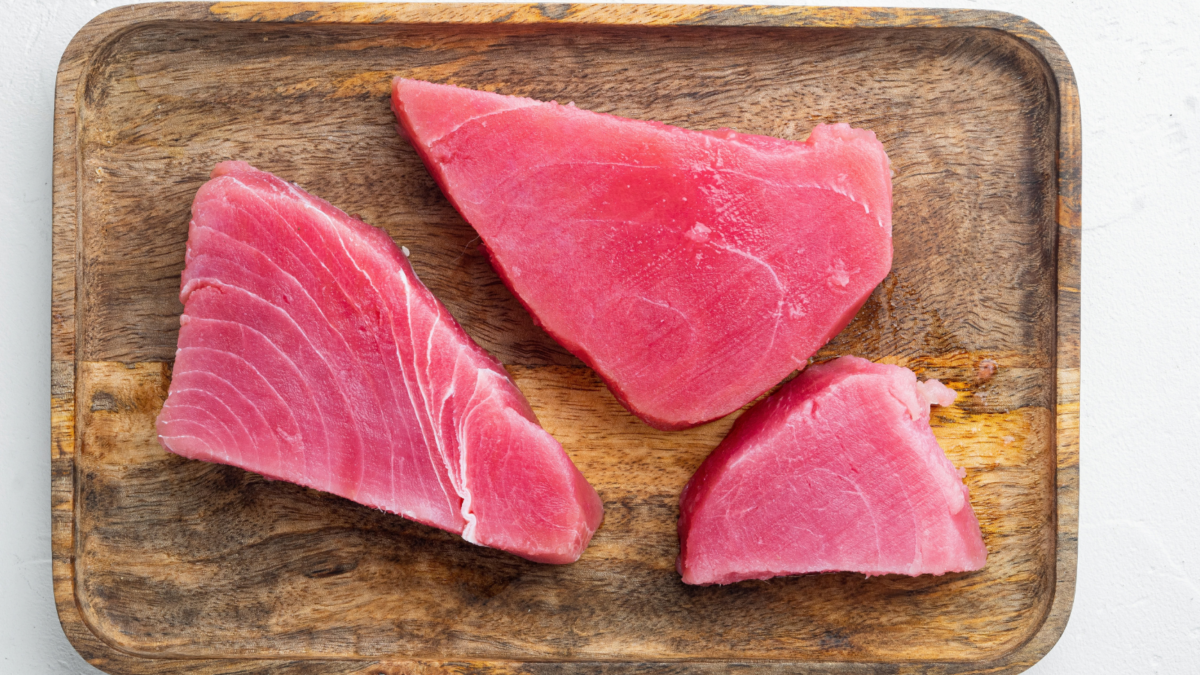
This is not a blanket recall of every can or package of tuna sitting in American kitchens.
The affected product is Buckhead tuna sold in 10-pound, 12-pound, 15-pound, and 3-to-5-pound cases packed in Styrofoam containers and labeled to remain refrigerated. The product was distributed to Pennsylvania, Maryland, New York, Connecticut, and New Jersey, according to recall information reported from the FDA enforcement record.
The recalled tuna was identified with product code 0004255 and specific vat numbers, including 59-01915, 58-11212, 59-01914, 58-11210, 58-11213, 59-01930 and 59-01570. The FDA’s information on scombrotoxin-related illnesses explains that this type of seafood poisoning is associated with elevated histamine levels in certain fish.
That distinction matters because the recalled tuna was primarily distributed to commercial recipients rather than as a typical supermarket retail package.
Why Is Scombrotoxin a Concern?
The unusual thing about scombroid poisoning is how quickly it can make someone feel sick.
Scombrotoxin, also associated with scombroid poisoning, can develop when certain fish are improperly handled and bacteria produce high levels of histamine. Tuna is among the fish commonly associated with this type of poisoning, along with other species such as mahi-mahi and mackerel.
Unlike many foodborne illnesses that can take a day or more to produce symptoms, scombroid poisoning can begin within minutes to two hours after eating the affected fish. Symptoms can include facial flushing, sweating, burning sensations in the mouth or throat, dizziness and nausea, followed by rash, hives, diarrhea or abdominal cramps.
The FDA says severe cases can involve blurred vision and respiratory distress, although the illness is typically not severe or long-lasting.
How Did This Particular Recall Start?
The recall began after health officials found something concerning in two tuna samples.
The New Jersey Department of Health notified the company after two samples tested positive for high levels of scombrotoxin. Buckhead Meat Company then initiated the voluntary recall, and the FDA subsequently classified it as Class II.
The classification does not mean that every piece of the recalled tuna will cause illness. Instead, it reflects the potential health consequences associated with consuming product that does not meet safety requirements.
As of the latest reports, it has not been confirmed that the recalled tuna caused illnesses.
What Should You Do With Recalled Tuna?
If you handle or purchase seafood professionally, checking product information matters more than judging the fish by appearance.
People or businesses that have the affected tuna should not serve or consume it. Recall information advises stopping use and following the supplier’s or company’s return or disposal instructions.
This is also a good reminder that food safety involves more than cooking. Proper refrigeration and handling are especially important with fish because some seafood-related hazards aren’t necessarily eliminated by treating the product like an ordinary fresh ingredient.
For anyone who enjoys building meals around familiar foods that make everyday cooking more interesting, tuna remains an incredibly versatile ingredient—but recalls like this show why knowing where seafood came from matters.
Tuna Is Still a Kitchen Favorite
One recall does not change the fact that tuna has earned its place in countless kitchens; it simply highlights how important proper handling is.
Tuna can become sandwiches, pasta, salads, rice bowls, and countless other meals, which is exactly why food safety notices deserve attention even when the affected product is limited to particular codes and distribution channels.
The best response to a recall is not panic. It is checking the product information carefully, avoiding affected items, and paying attention to official food-safety guidance. Those small, simple kitchen habits can make a meaningful difference when you are preparing food for yourself or other people.
For now, the key point is straightforward: do not consume or serve recalled Buckhead tuna if it matches the affected product information.
Have you ever checked the recall information on seafood before serving it, or do you usually rely on how fresh the fish looks and smells?