7 Foods That Some Families Refuse to Serve at Holidays
Every family has that one holiday dish nobody dares to remove from the menu. But what happens when a beloved tradition is the very thing someone else refuses to eat?
Holiday meals can bring out surprisingly strong opinions. One person looks forward to a spoonful of cranberry sauce, while another wonders why it deserves space beside the turkey. The same goes for marshmallow-covered sweet potatoes, creamy casseroles, and a few old-fashioned favorites.
Of course, disliking a dish doesn’t necessarily mean banning it from the table. Still, these seven holiday foods show how one family’s treasured recipe can become another family’s easiest menu omission.
Cranberry Sauce
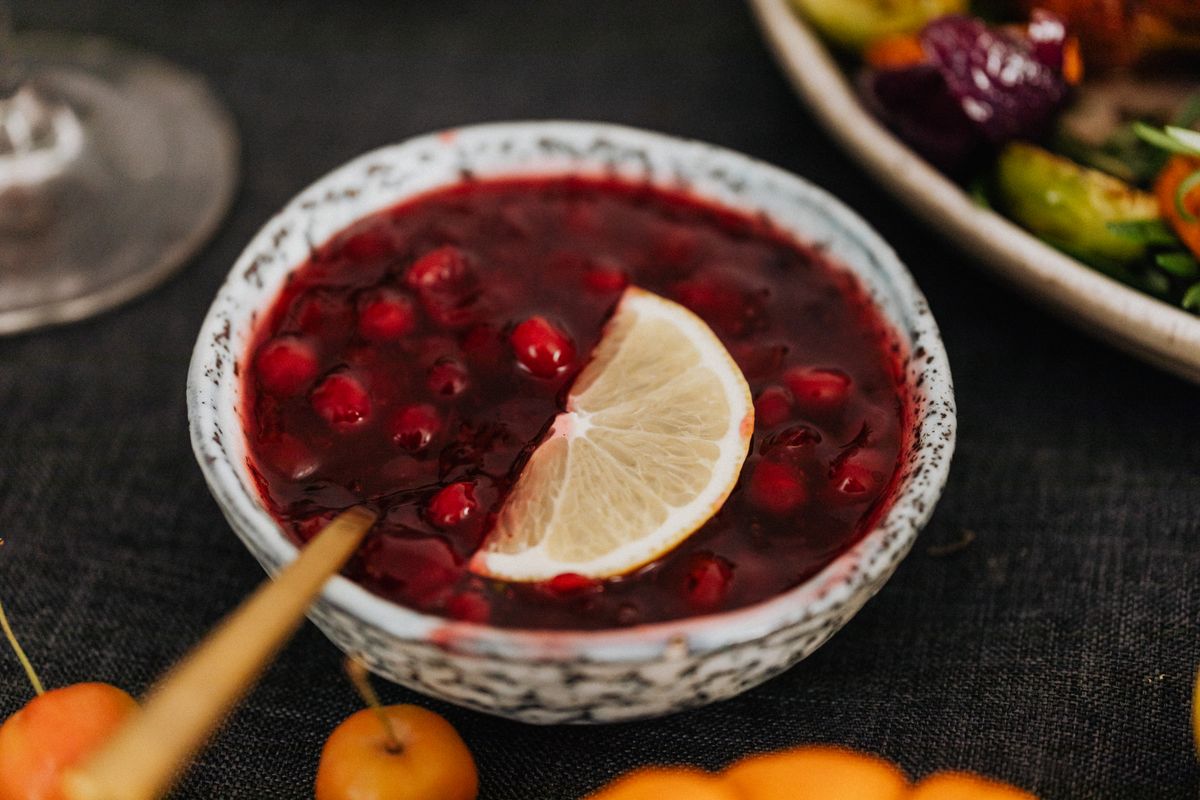
Cranberry sauce has a special talent for dividing Thanksgiving guests. Some people love its tart flavor alongside turkey, while others barely notice whether it’s missing.
Then there’s the canned-versus-homemade argument. Should cranberry sauce arrive in perfectly shaped slices, or should it be freshly prepared and served from a bowl?
According to a 2021 Economist/YouGov poll, one in three Americans didn’t eat cranberry sauce. The same survey found preferences for canned and freshly made versions were closely divided.
That doesn’t mean everyone who skips the canned version dislikes cranberry sauce altogether. For certain households, the preparation matters just as much as the dish itself.
Sweet Potato Casserole With Marshmallows
Is it a Thanksgiving side dish or something that belongs on the dessert table?
Sweet potato casserole topped with marshmallows has inspired that question for years. The combination of sweet potatoes and a fluffy, sugary topping feels perfectly festive to its fans.
Others would rather enjoy sweet potatoes without the extra sweetness.
The 2021 Economist/YouGov poll found that 21% favored marshmallows on sweet potatoes, while 32% preferred them without marshmallows. Another 20% were happy eating either version.
For families who grew up with the marshmallow topping, removing it might feel like changing the entire recipe. For others, leaving it off is what makes the dish worth serving.
Related: 10 Holiday Decorating Habits That Quietly Annoy the Whole Street
Green Bean Casserole
Few holiday sides capture the tension between nostalgia and personal preference quite like green bean casserole.
The familiar combination of green beans, cream of mushroom soup, and crispy fried onions has been appearing on Thanksgiving tables for decades.
Campbell’s employee Dorcas Reilly created the dish in Camden, New Jersey, in 1955. Since then, it has become a recognizable part of American holiday cooking.
However, not everybody enjoys its creamy texture. Some diners would much rather have roasted fresh green beans, allowing the vegetables to take center stage.
For casserole enthusiasts, though, that creamy filling and crunchy topping are precisely what make the dish special. Sometimes the appeal of holiday food is as much about familiarity as flavor.
Turkey
Imagine planning Thanksgiving dinner and discovering that someone wants to skip the turkey entirely.
It might sound like a major holiday rebellion, especially considering how closely turkey is associated with Thanksgiving.
In the 2021 YouGov poll, 91% of Americans who celebrated Thanksgiving said they ate turkey.
Yet popularity doesn’t guarantee universal enthusiasm. Dry turkey is a familiar complaint, particularly when the preparation doesn’t turn out as intended.
Even those who enjoy turkey have their preferences. The same YouGov survey found that 39% preferred white meat, 19% favored dark meat, and 31% liked both.
For households that aren’t excited about turkey, choosing another centerpiece may simply make the holiday meal more enjoyable.
Fruitcake
Fruitcake might be one of the few Christmas desserts that arrives with its own collection of jokes.
Its dense texture, candied fruit, and sometimes disappointing commercial versions have helped give it a complicated reputation. But fruitcake wasn’t always treated as a holiday punchline.
According to Smithsonian Magazine’s history of fruitcake, fruitcakes became popular for special occasions, including weddings and holidays, during the 18th and 19th centuries.
Mass-produced mail-order fruitcakes in the early 20th century may have contributed to the dessert’s reputation for being dry and heavy.
Still, that reputation doesn’t represent every fruitcake. People who appreciate its rich combination of ingredients may consider it an essential Christmas treat.
Whether it gets sliced and shared or quietly left off the dessert menu often comes down to personal taste.
Related: 12 Things Every Family Should Talk About Before the Holidays
Ambrosia Salad
Ambrosia salad is one of those dishes that can leave guests wondering whether they’re looking at a side dish or dessert.
Many modern versions combine fruit, coconut, marshmallows, and a creamy dressing. For people who grew up enjoying it during the holidays, that mixture can bring back fond memories.
Others simply don’t enjoy the combination of textures. Interestingly, ambrosia wasn’t always made this way.
In his history of ambrosia’s Southern Christmas tradition, food historian Robert F. Moss identifies an 1867 recipe containing grated coconut, sugar, and oranges. Marshmallow variations appeared in published recipes during the 1920s and 1930s.
The dish became closely associated with Southern Christmas celebrations around the turn of the 20th century.
With so many family variations, two people might disagree about ambrosia while remembering completely different recipes.
Oyster Stuffing or Dressing
Stuffing is already a holiday favorite with plenty of recipe variations. Add oysters, however, and the conversation can change considerably.
Oyster stuffing or dressing combines the familiar bread or cornbread base with oysters, creating a different flavor and texture from conventional versions.
Some recipes even incorporate reserved oyster liquid to deepen that distinctive character.
For guests expecting a familiar bread-based dressing, seafood may be an unexpected addition. But for households with a longstanding oyster-dressing tradition, leaving it out could feel equally strange.
Chef Jerome Grant has written about preparing oyster-and-cornbread stuffing as a way to honor his family’s heritage and Black history.
It’s a reminder that an unusual ingredient to one person can carry considerable meaning for another.
Holiday meals aren’t just about recipes. They’re also about memories, preferences, and the dishes people look forward to year after year.
One family’s must-have might be another family’s automatic pass, and neither preference makes the tradition less meaningful.