Why Cooks Say They’ll Never Make Gravy on Thanksgiving Day Again
Picture the most stressful 20 minutes of Thanksgiving. The turkey has just come out of the oven, the potatoes need mashing, the rolls are burning, guests are hovering in the kitchen and someone is standing at the stove frantically whisking a roasting pan full of drippings. That someone is usually making the gravy.
For generations, gravy was a last-minute job. You couldn’t start it until the turkey was done, because it depended on the drippings. That meant the cook had to make one of the most important parts of the meal at the very moment everything else needed attention too. Lumpy gravy, thin gravy and scorched gravy were often the result.
More and more home cooks have found a way out of that chaos, and once they try it, many say they’ll never go back. They make their gravy days before Thanksgiving. Here’s how it works, and why so many cooks say it’s the best holiday decision they’ve ever made.
The Last-Minute Gravy Problem
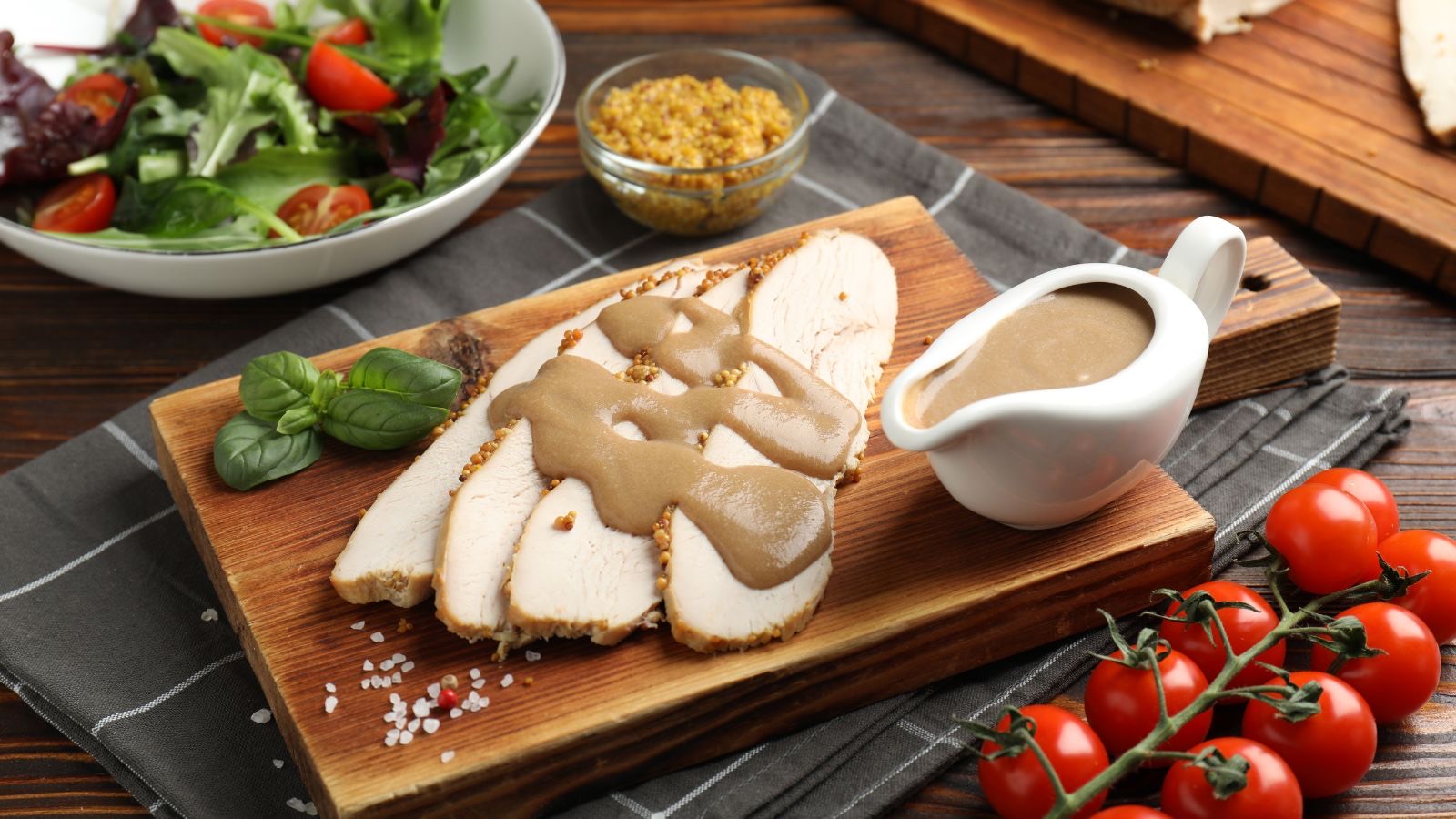
Traditional gravy is made from the drippings left in the roasting pan, thickened with flour and thinned with broth. It’s delicious, but the timing is brutal. The turkey needs to rest for at least 20 to 30 minutes after it comes out of the oven, and that’s exactly when the cook is trying to finish every other dish.
The roasting pan also has to go on the stovetop, often across two burners, which takes up space just when the burners are needed most. Gravy needs constant stirring to avoid lumps, so the cook can’t walk away. It’s no wonder so many families have stories about the year the gravy went wrong.
The Make-Ahead Solution
The make-ahead method takes gravy off the Thanksgiving Day to-do list almost entirely. Instead of waiting for the turkey, cooks roast a few turkey wings, necks or thighs a few days early. Those parts are inexpensive and easy to find at most grocery stores in November.
The roasted parts are simmered with onions, carrots, celery and herbs to make a rich, homemade turkey stock. That stock becomes the base of a full batch of gravy, thickened with a butter-and-flour roux. Test kitchens like America’s Test Kitchen have published make-ahead gravy recipes built on exactly this idea.
Why Turkey Wings Work So Well
Turkey wings are the secret weapon of make-ahead gravy. They have plenty of skin, bones and connective tissue, and when they roast and then simmer, that tissue breaks down and gives the stock a rich, silky body. The browned skin adds deep, roasted flavor, very close to what you get from pan drippings.
Wings are also usually cheap, especially compared with the cost of the turkey itself. A few pounds can make enough stock for a big pot of gravy. Some cooks use thighs or necks as well, and many save the giblets from the holiday turkey to add even more flavor later.
How Far Ahead You Can Make It
One of the best parts of this method is the flexibility. Many recipes suggest making the gravy up to three days ahead and storing it in the refrigerator. Others freeze it for longer, which means the gravy can be made weeks before Thanksgiving and simply thawed in the refrigerator a day or two early.
As the gravy chills, it will thicken quite a bit and may even look like jelly. That’s a good sign, since it means the stock is full of natural gelatin. Once it’s warmed up on the stove, it loosens back into a smooth, pourable gravy. If it’s still too thick, a splash of broth fixes it.
The Day-Of Upgrade
Making gravy ahead doesn’t mean giving up the flavor of the turkey drippings. On Thanksgiving Day, once the turkey comes out of the oven, many cooks simply pour off the fat from the roasting pan, scrape up the browned bits with a little broth and whisk them into the reheated gravy.
That last step takes only a few minutes, and it gives the make-ahead gravy all the fresh, roasted flavor of traditional gravy. Cook’s Illustrated has more tips for getting gravy just right, from building a good roux to avoiding lumps. It’s the best of both worlds: no panic, and no loss of flavor.
It Frees Up the Stove and the Cook
The biggest reason cooks love this method is how much calmer it makes Thanksgiving Day. With the gravy already made, the cook can focus on carving the turkey, mashing potatoes and getting everyone seated. The roasting pan doesn’t need to take over the stovetop, and there’s one less pot to watch.
Many cooks say it completely changed how they feel about hosting. Instead of standing at the stove sweating while everyone else sits down, they actually get to enjoy the meal. That alone is enough for a lot of people to swear off last-minute gravy for good. Freeing up kitchen space matters when you’re cooking for a crowd, as these tips on limited oven space show.
Plenty of Gravy for Leftovers
Another bonus of the make-ahead method is quantity. Pan drippings from one turkey only make so much gravy, and in many families it runs out before the second helping of mashed potatoes. A batch made from turkey wings can easily produce twice as much.
That extra gravy comes in handy for leftovers. Hot turkey sandwiches, turkey pot pie, leftover stuffing and mashed potato patties all taste better with a ladle of gravy on top. Some cooks freeze small containers of it to enjoy weeks after the holiday is over.
Part of a Bigger Make-Ahead Plan
Make-ahead gravy fits into a larger strategy many experienced hosts use. They spread the cooking across the whole week, making pies, cranberry sauce, casseroles and stock in the days before Thanksgiving. America’s Test Kitchen even publishes a make-ahead schedule that breaks the meal into manageable steps.
That’s a lot like how grandmothers used to do it, starting the holiday cooking days in advance. The difference is that modern cooks have discovered gravy doesn’t have to be the exception. It can be made early too, and it may even taste better for it.
Give It a Try This Year
If gravy has always been the most stressful part of your Thanksgiving, this could be the year to try something new. Roast some turkey wings this weekend, make the stock and gravy and tuck it in the refrigerator. On the big day, just warm it up and add a few drippings for extra flavor.
You might find, like so many other cooks, that you’ll never make gravy at the last minute again. Do you make your gravy on Thanksgiving Day, or have you tried making it ahead? And in your house, is it giblet gravy or smooth?