7 Things People Who Grew Up With Little Money Never Waste at the Table
People who grew up in homes where every dollar mattered often carry a special kind of kitchen wisdom. They look at a chicken carcass and see soup. They see a stale loaf and think dessert. Nothing about it feels like sacrifice to them. It is simply how a good cook takes care of a family.
These seven habits come from parents and grandparents who made the most of what they had, and they are just as useful in today’s kitchens. Here is what these thrifty cooks almost never let go to waste.
1. Bones From the Roast or Chicken
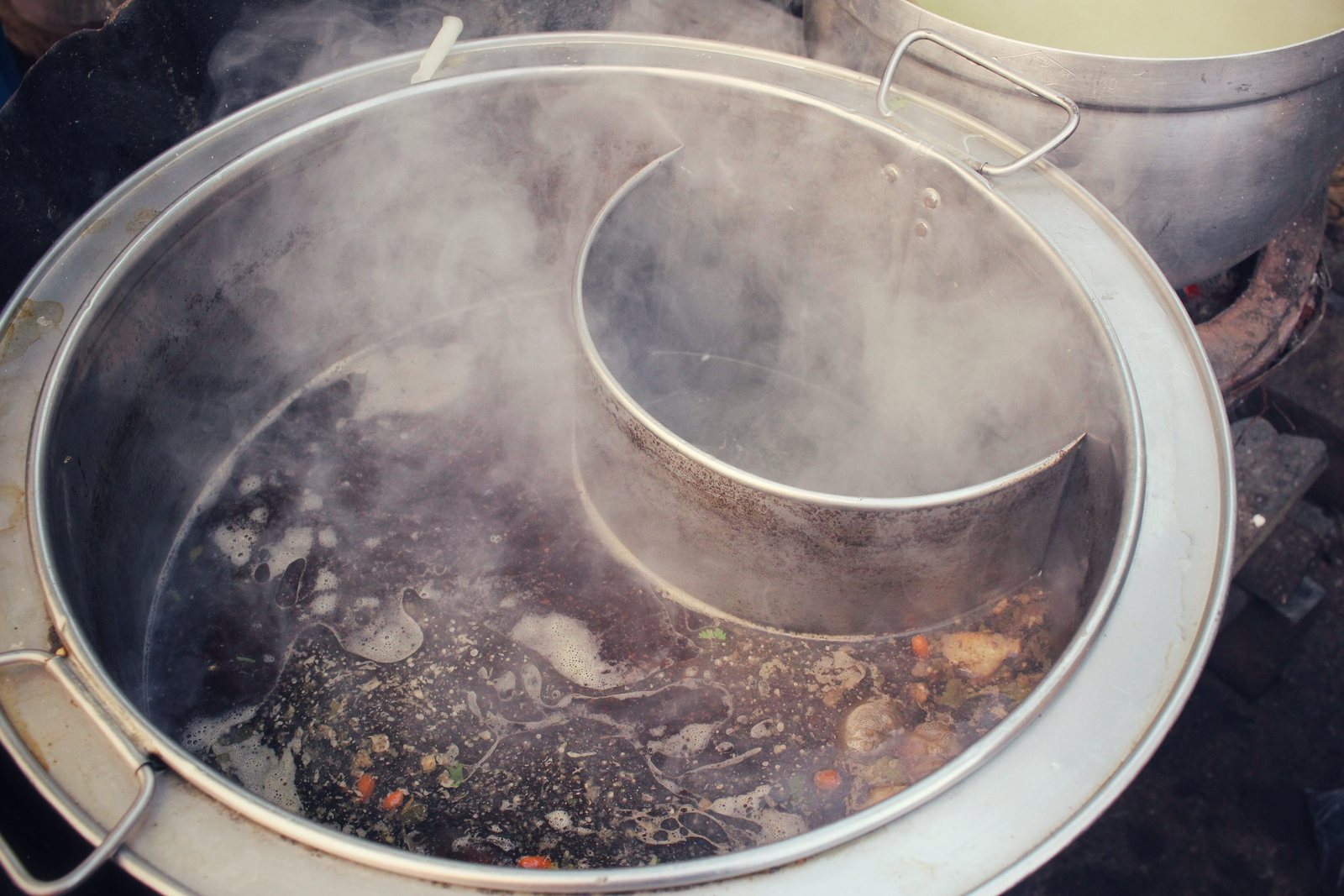
A roast chicken is never just one meal in these households. After dinner, the bones go into a pot with water, an onion and whatever vegetables are on hand, then simmer low and slow into a rich broth for soup, gravy or a pot of rice. Turkey and ham bones get the same treatment, especially around the holidays.
It is one of the classic moves in things Grandma never wasted in the kitchen, and it is a habit many younger cooks are rediscovering, alongside other boomer habits that are making a comeback.
2. Bread Heels and Stale Slices
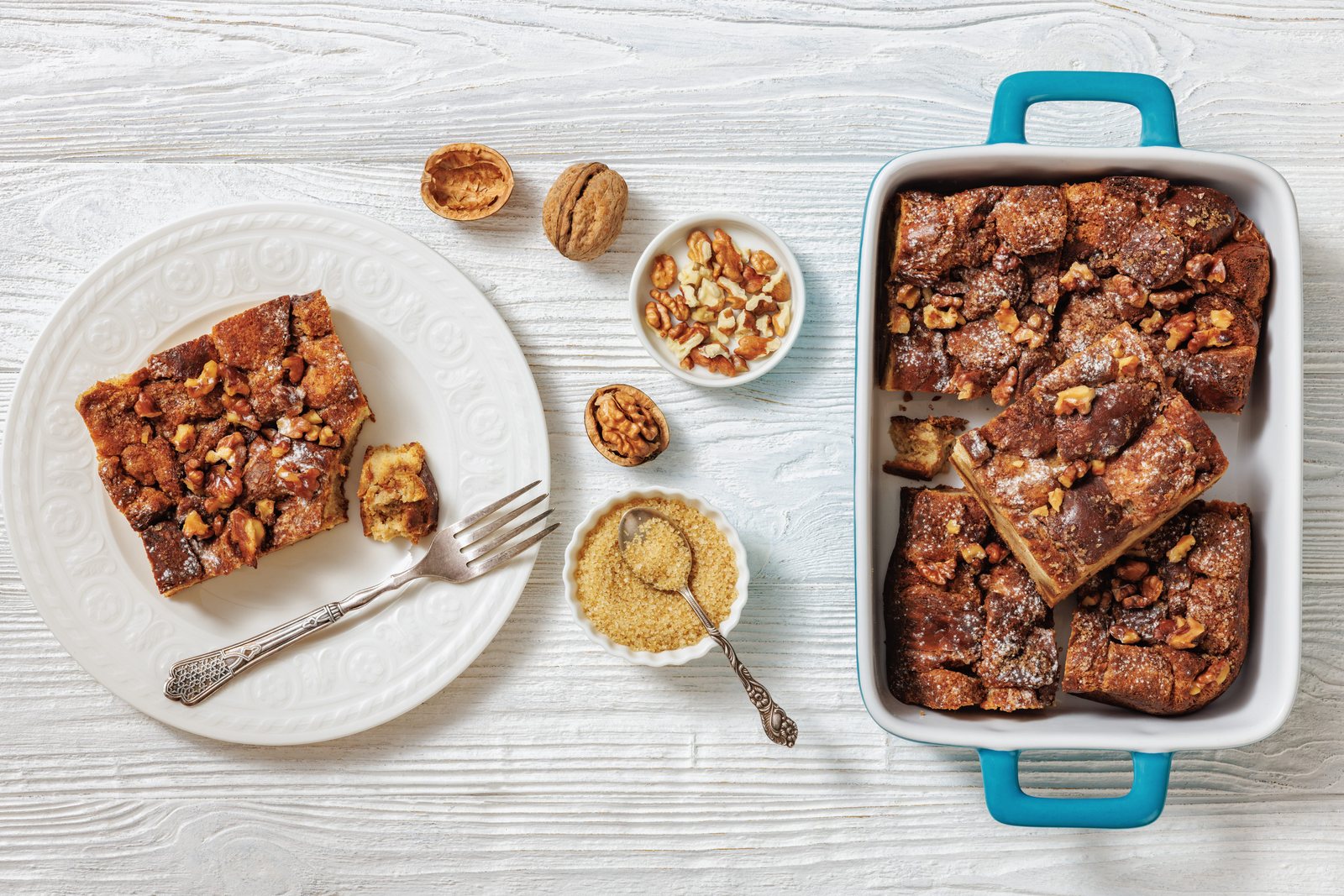
The heel of the loaf is not trash. It becomes toast, croutons, breadcrumbs or the base of a good bread pudding. That last idea is centuries old: Food Republic notes that bread pudding’s roots go back to 11th-century England and that by the 13th century it was known as “poor man’s pudding” because it put stale bread to work.
Many families kept a bag in the freezer and added odds and ends of bread all week until there was enough for meatloaf filler, stuffing or a pan of pudding.
3. The Last Spoonful in the Serving Dish
That little bit of green beans, the half cup of rice, the few bites of mashed potatoes? Someone who grew up counting pennies saves it. Small leftovers get tucked into a container and turned into a lunch, stirred into a soup or folded into a Friday hash.
It ties right into the kitchen mistakes that make us cringe, like scraping good food into the trash because the portion looks too small to bother with.
4. Cheese Rinds
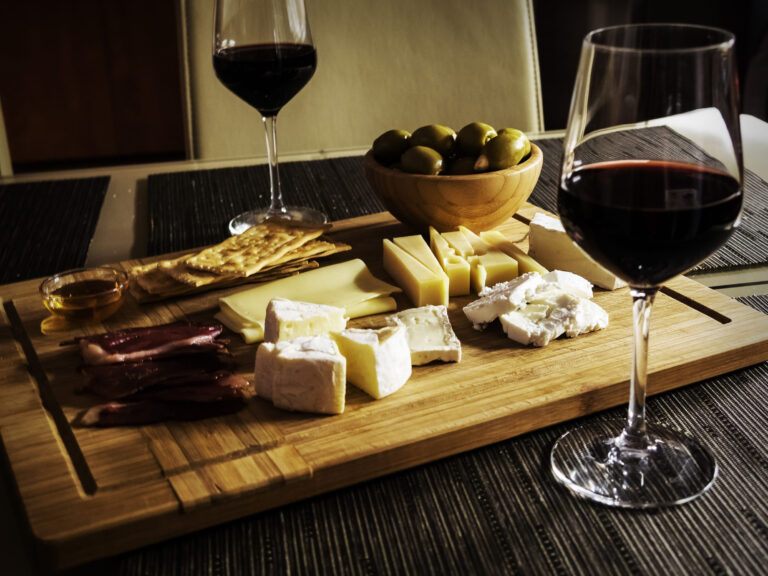
The hard end of a wedge of Parmesan looks useless, but thrifty cooks know better. America’s Test Kitchen says its cooks keep Parmesan rinds in a zipper-lock bag in the freezer to add depth to soups like minestrone. Drop one into a pot of beans or tomato sauce and fish it out before serving.
Saving scraps like this was second nature to families who stretched their budgets, something you can read more about in food signs you were raised by Depression-era parents. Their pantries and junk drawers often look a lot like the nostalgic items everyone had 30 years ago, from twist ties to saved jars.
5. Bacon Drippings
In many kitchens, a jar or can by the stove held cooled bacon drippings, strained and saved for later. A spoonful goes into a skillet of green beans, a pan of cornbread or a batch of fried potatoes for big, smoky flavor that costs nothing extra. Keep it covered in the fridge and use it within a reasonable time.
6. Vegetable Trimmings
Onion ends, carrot peels, celery leaves and mushroom stems rarely hit the trash in a frugal home. They go into a bag in the freezer until there is enough for a pot of stock. Broccoli stems get peeled and sliced into stir-fries, and wilting celery or carrots are perfect for soup.
That kind of thinking adds up. The USDA estimates that about 31 percent of the U.S. food supply went uneaten at the retail and consumer levels in 2010, worth roughly $161 billion. Small habits at home chip away at that.
7. Overripe Bananas and Soft Fruit
Brown bananas are not a problem; they are an invitation. Thrifty cooks freeze them for banana bread, muffins or pancakes. Soft apples become applesauce or a quick crisp, and a few wrinkly berries get simmered into a sauce for pancakes or ice cream.
None of these habits are about going without. They come from people who learned to respect food and the work it took to put it on the table. Borrow even one or two, and you will likely notice your grocery money going a little further.