7 Things Grandma Never Wasted in the Kitchen
Grandma’s kitchen ran on a simple rule: if something could be used again, it was. She grew up in a time when money was tight and food was precious, especially if she lived through the Great Depression or wartime rationing. Throwing out perfectly good food, or anything that could be useful, simply wasn’t done.
Today, American households throw away a surprising amount. The USDA estimates that 30 to 40 percent of the food supply goes to waste, according to its food waste FAQs. Our grandmothers would have been shocked. Their thrifty habits saved money, stretched meals and made sure almost nothing went in the trash, and many of them still make sense. Here are seven things Grandma never wasted in her kitchen.
1. Bacon Grease
Almost every grandmother kept a can or jar of bacon grease next to the stove. After frying bacon, she poured the hot drippings through a strainer into the container and saved them for later. That grease flavored green beans, fried potatoes, cornbread, eggs and gravy.
Bacon grease added rich, smoky flavor for free. Many cooks still save it today, though it’s best stored in the refrigerator to keep it from going rancid. It’s also high in saturated fat, so most people use it in small amounts.
2. Stale Bread
Grandma never threw out bread just because it was a few days old. She turned it into bread crumbs for meatloaf and casseroles, cubed it for stuffing, made croutons for soup or used it in bread pudding and French toast.
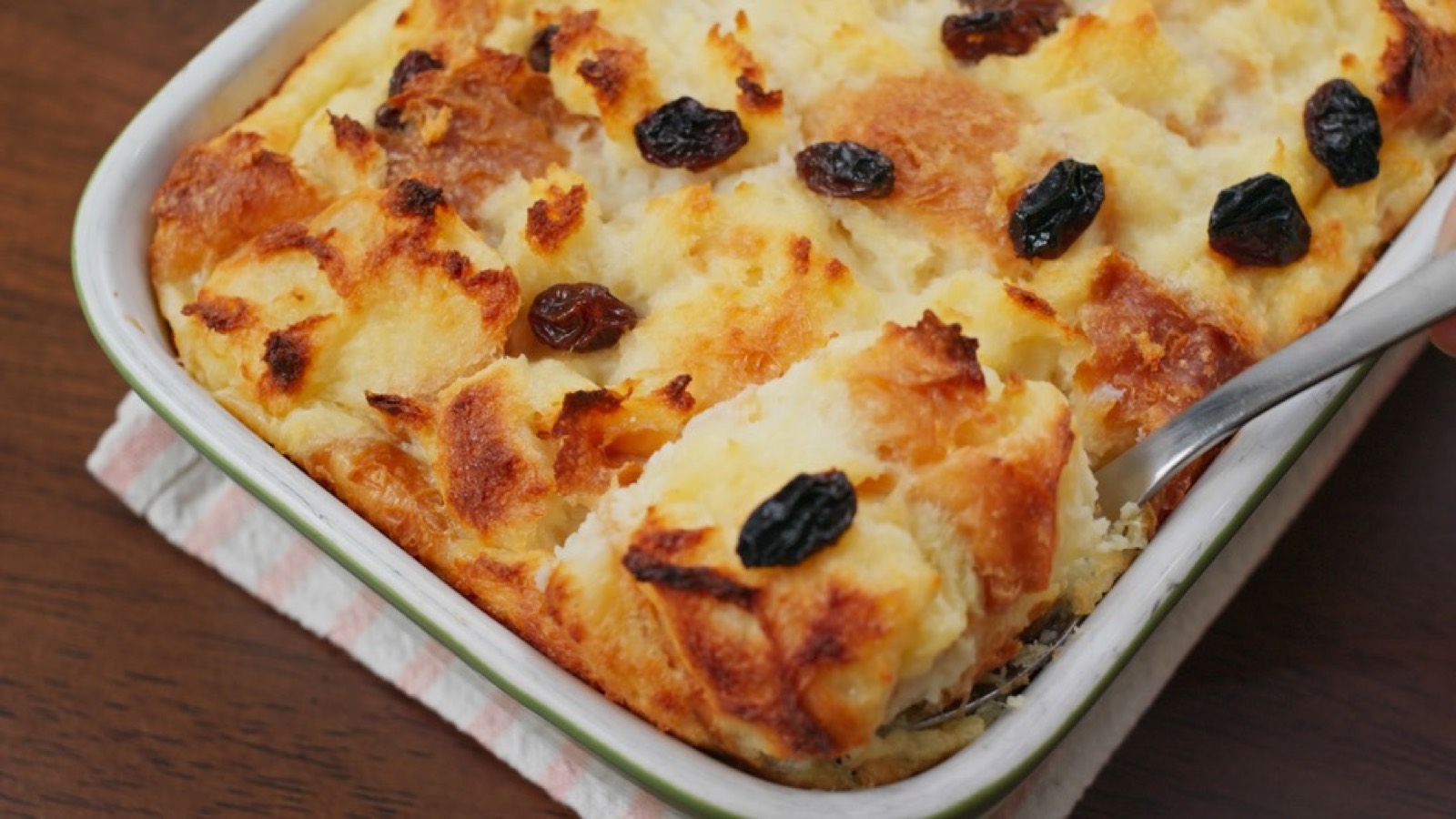
Stale bread actually works better than fresh bread in many recipes because it soaks up liquid without falling apart. That’s why so many classic dishes call for day-old bread.
3. Bones and Vegetable Scraps
After a roast chicken dinner, Grandma saved the carcass. She simmered it with onion ends, carrot peels, celery tops and herbs to make broth. Ham bones went into a pot of beans or split pea soup. Beef bones became the base for vegetable soup.
Homemade broth costs almost nothing and tastes better than most store-bought versions. Some cooks keep a bag in the freezer and add vegetable scraps to it all week, then make broth when the bag is full.
4. Soured Milk
When milk started to turn, Grandma didn’t pour it down the drain. In the days before ultra-pasteurized milk, slightly soured raw or pasteurized milk was used in baking, much like buttermilk. She used it in pancakes, biscuits, cornbread and cakes, where its tang helped the batter rise and gave a tender crumb.
Today, most milk is pasteurized and spoils differently, so food safety experts advise against using milk that smells off or has gone bad. But you can make a buttermilk substitute the way many cooks do now, by stirring a tablespoon of lemon juice or vinegar into a cup of milk and letting it sit for a few minutes.
5. Butter Wrappers
When Grandma finished a stick of butter, she didn’t throw out the wrapper. She folded it and kept it in the refrigerator, then used it to grease cake pans and casserole dishes. The little bit of butter left on the paper was just enough.
It’s a small habit, but it shows how carefully our grandmothers used everything. Many bakers still do this today, and it saves a bit of butter every time. It’s one of many things Grandma always found a second use for.
6. Glass Jars
Every empty jar of pickles, jam or mayonnaise was washed and saved. Grandma used them to store leftovers, dried beans, buttons, nails and bacon grease. She filled them with homemade jam and gave them away as gifts. Some became drinking glasses.
Jars are useful, durable and free. Many people still save them for storage, and they’ve become popular again as an alternative to plastic containers.
7. Flour and Feed Sacks
In the 1930s and 1940s, flour, sugar and animal feed often came in cotton sacks. Companies began printing them in colorful patterns because they knew women would sew them into clothes. Grandma turned them into dresses, aprons, dish towels, quilts and curtains.
Many women of that generation remember wearing feed-sack dresses to school. The fabrics were sturdy and pretty, and the practice became so common that manufacturers competed with their designs. Feed-sack quilts are now collectors’ items.
The Habits Behind the Habits
What made Grandma so good at wasting nothing wasn’t any single trick. It was a whole way of running a kitchen. She planned meals around what was already in the house instead of what she felt like eating that day. Sunday’s roast became Monday’s hash and Tuesday’s soup, and nobody thought twice about it. Leftovers weren’t a chore to get through but the starting point for the next meal.
She also shopped differently. Many grandmothers made a weekly list, bought only what they needed and checked the pantry before heading to the store. Food was stored carefully, with older cans moved to the front and newer ones placed in the back, so nothing sat forgotten until it spoiled.
Grandma also knew how to judge food with her own senses. She looked, smelled and tasted before deciding something had gone bad, though she also respected the signs of real spoilage. Today, food safety experts still say to throw out anything that smells off, shows mold where it shouldn’t be or has been left out too long. Her thriftiness never meant taking chances with her family’s health, and the best of her habits can be followed safely in any modern kitchen.
What We Can Learn From Grandma
Our grandmothers didn’t think of their habits as “sustainable” or “eco-friendly.” They were simply being practical. They had lived through hard times and knew the value of what they had. Wasting food or materials felt wrong to them.
Many of these habits are making a comeback as families look for ways to save money and cut down on waste. Simple changes, like planning meals, using leftovers and storing food properly, can make a big difference. If you want to start, these ways to reduce food waste are a good place to begin. What did your grandmother never waste in her kitchen, and which of her habits do you still follow today?