This Garlic Butter Shrimp Dinner Is So Fast, Your Pasta Might Be the Slowest Part
Garlic butter shrimp is the dinner for nights when you want something that feels restaurant-worthy, but you can’t commit to a long ingredient list, a sink full of dishes, or a complicated cooking project. Shrimp cooks quickly, garlic and butter deliver instant flavor, and a splash of lemon turns the whole pan into something worth serving over pasta, rice, crusty bread, or a pile of vegetables.
This meal moves so fast for a simple reason: shrimp needs only a few minutes of heat. The real trick isn’t cooking it harder or longer; it is getting everything else ready first, then giving the shrimp just enough time in the skillet to turn pink, firm, and juicy without becoming tough.
Shrimp is the true weeknight speedster
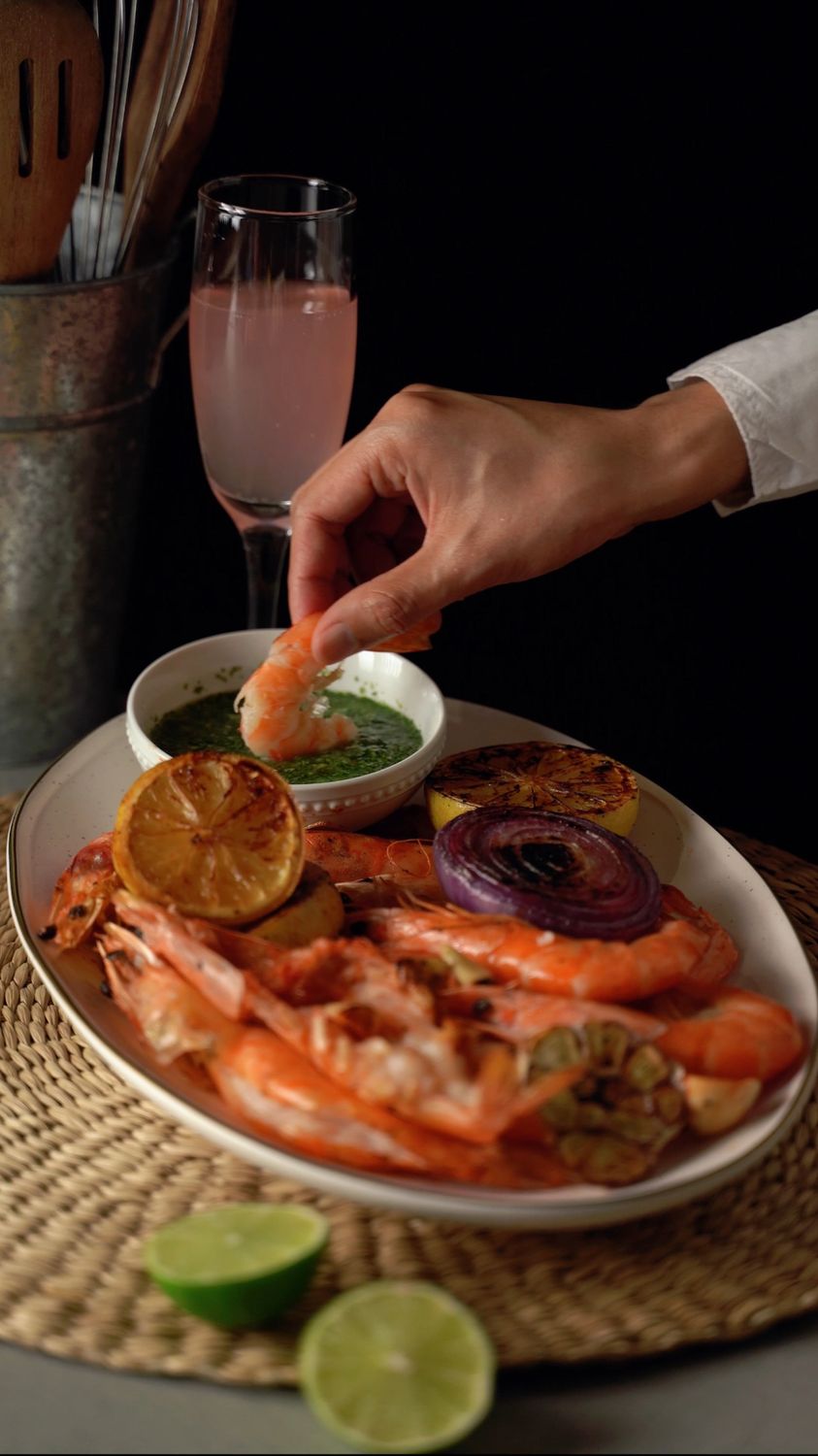
Shrimp is one of the quickest proteins to cook, making it a natural match for a short-notice dinner. Food Network’s classic shrimp scampi recipe cooks shrimp over medium-high heat for just one to two minutes per side, or until the shrimp are pink and just cooked through. That means the window between perfectly cooked and overcooked can be narrow, so organization matters.
Before the skillet gets hot, thaw frozen shrimp if needed, pat it dry, and measure out the garlic, butter, lemon, and any herbs. Shrimp releases moisture as it cooks, and starting with dry shrimp helps it sauté instead of steaming. A hot pan also matters: you want quick contact with the skillet to cook the shrimp efficiently without letting it sit in liquid too long.
Food Network’s Tender Garlic Shrimp recipe keeps the timing just as brisk. It cooks shrimp with chiles over medium-high heat until pink, about two minutes per side, then adds garlic for 30 seconds before finishing with sherry and lemon juice. That order is practical because garlic cooks much faster than shrimp and can burn if it stays in the pan too long.
Serious Eats takes an extra step to protect shrimp from drying out at higher heat. Its shrimp scampi recipe calls for sprinkling shrimp with baking soda before cooking, a technique the site says helps keep shrimp moist and tender even over high heat. It is optional for a basic dinner, but it illustrates the broader rule: shrimp benefits from short cooking, not from being left in the pan while everything else comes together.
Garlic butter does not need to be complicated
The flavor base is wonderfully simple: butter, garlic, a little olive oil, salt, black pepper, and lemon. Red pepper flakes add heat, while parsley, basil, or another fresh herb can bring brightness. The order of operations matters more than the number of ingredients.
For a straightforward skillet dinner, warm olive oil and butter over medium-high heat, add the shrimp, and cook it quickly. Once it is nearly done, stir in minced garlic for a brief burst of heat, then finish with lemon juice, herbs, and any reserved butter. This protects the garlic from burning and lets the butter coat the shrimp instead of disappearing into an overcooked sauce.
Rachael Ray’s Food Network recipe uses a notably garlic-heavy approach: 12 to 15 cloves of garlic, olive oil, butter, crushed red pepper flakes, and shrimp. The recipe directs cooks to heat the oil and butter, add garlic and pepper flakes, then cook the seasoned shrimp until it turns pink and the “heads curl to tails.” It is a bolder version, but the formula holds: fat, garlic, heat, and fast-cooking seafood.
If you prefer a sheet-pan dinner over standing at the stove, Food Network’s garlic butter shrimp and corn recipe uses the broiler. Corn and fennel cook first for about eight minutes, while you toss shrimp and tomatoes in melted butter, garlic, lemon zest, salt, and red pepper flakes. Add the shrimp mixture to the pan and broil for about six more minutes, until the shrimp are opaque and the tomatoes begin to burst. It is still quick, but it gives you vegetables and protein in one pan.
Related: New York Just Got a Seafood Bar With Shrimp in Almost Every Form You Can Imagine
Turn one skillet into a full dinner
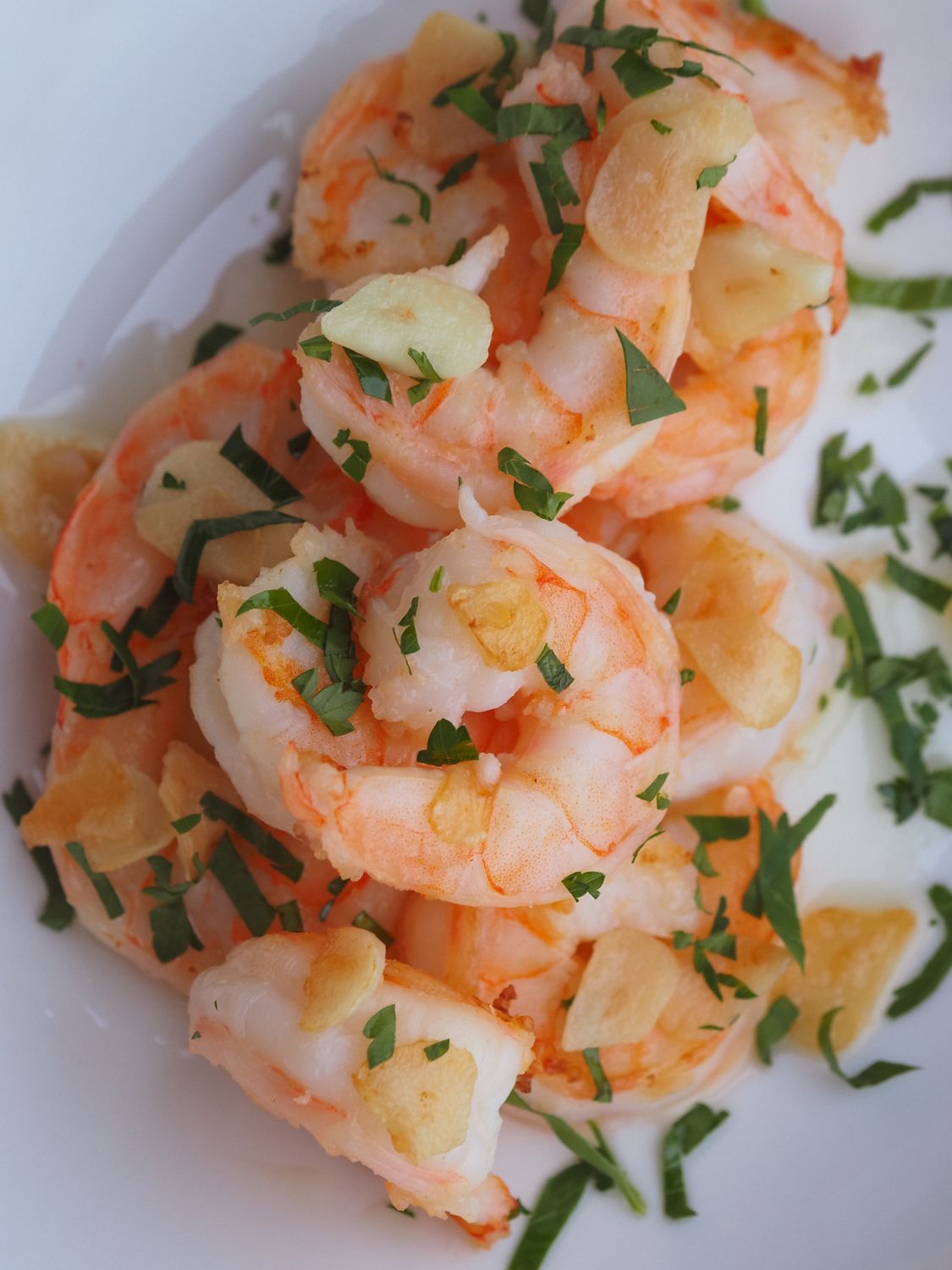
The fastest way to make garlic butter shrimp a meal is to pair it with something already cooking or ready to heat. Linguine is the classic option, but rice, couscous, polenta, microwave grains, roasted vegetables, or toasted bread all work. The garlic butter and lemony pan juices are too good to leave behind, so choose something that can soak them up.
For a classic pasta version, Food Network’s shrimp scampi combines the shrimp with linguine, butter, and reserved pasta water after the shrimp cooks. The wine and lemon juice reduce slightly in the skillet before the pasta, shrimp, and butter return to the pan, where everything is tossed together for about two minutes. The reserved pasta water helps turn butter and pan juices into a glossy sauce that coats the noodles.
The dinner can also go in a more flavor-forward direction without slowing down. Food Network’s garlic butter shrimp with miso and basil cooks shrimp in butter for only 20 to 30 seconds per side, then adds garlic for about 20 seconds before stirring in soy sauce, miso, and honey. Turn off the heat before adding the basil. That version shows how a spoonful of miso and a bit of honey can shift garlic butter shrimp toward sweet-salty depth in almost no additional time.
If you want to make the meal more substantial without pasta, pair the shrimp with quick-cooking vegetables. Asparagus, spinach, zucchini, snap peas, green beans, and cherry tomatoes all work, but use the same timing discipline: cook firmer vegetables first, then add shrimp later. Food Network’s steamed garlic butter shrimp recipe layers sweet potato noodles, asparagus, and seasoned shrimp in a steaming bowl, then cooks the dish for about eight minutes until the shrimp turns pink and the asparagus is tender.
The one thing not to do is walk away from the skillet. Shrimp can look done before it is fully cooked, but it can also turn rubbery if it stays over heat after it is opaque. For food-safety certainty, the U.S. Food and Drug Administration advises cooking seafood to an internal temperature of 145 degrees Fahrenheit, measured with a food thermometer. It also says cooked shrimp should have firm, pearly or white flesh with red or pink accents.
That is what makes this meal such a weeknight hero: nearly every part of the dinner can be prepared while water boils, rice warms or bread toasts. Then, in the final few minutes, the shrimp hits the pan, the garlic blooms in the butter, and dinner comes together quickly enough to feel like a small miracle.
Garlic butter shrimp does not need a reservation, a special occasion, or an hour of your evening. It just needs a hot pan, a little attention, and something nearby to soak up every last bit of sauce.