10 Strangest Objects Doctors Actually Removed From Human Bodies
The human body is not designed to house foreign objects, yet there are countless bizarre and rare instances where the body becomes a container for things one would never expect.
These strange cases often happen because of accidents, health problems, or even actions people do themselves that let unexpected objects get inside the body.
Below, we look at some of the most amazing cases of objects removed from the body, showing how strong the human body is and how clever doctors can be.
Swordfish Bill Lodged Near the Spine
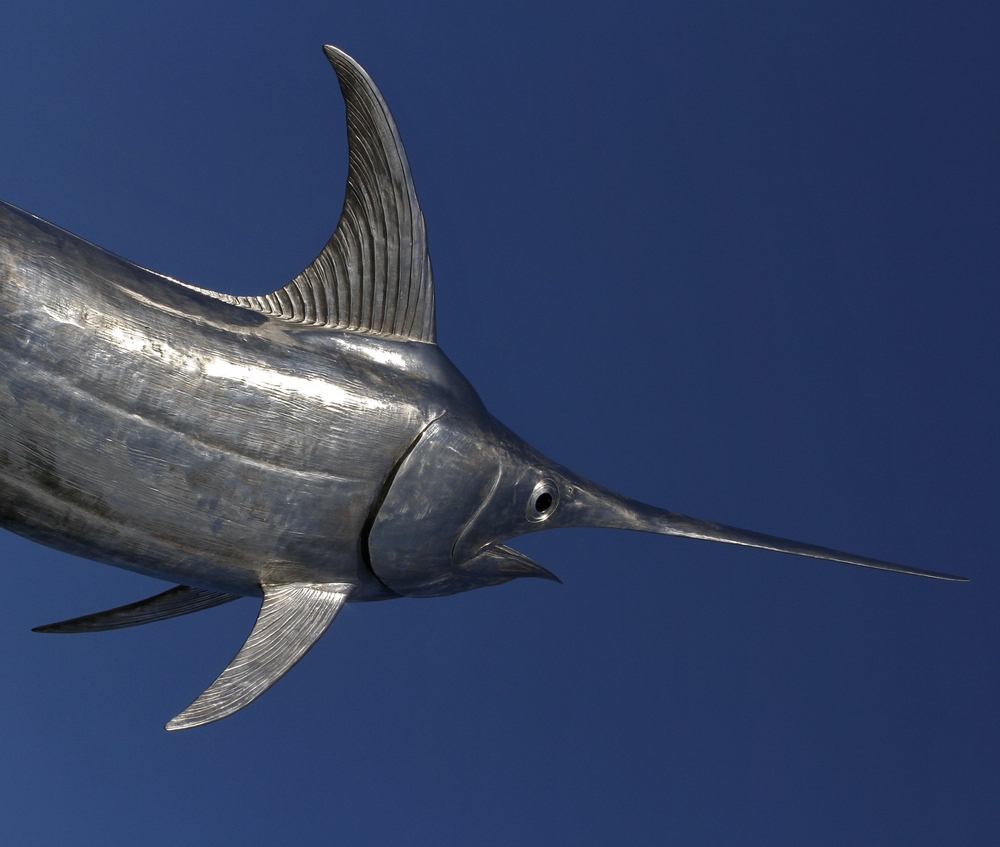
Near Santorini Island, a woman was hit by a swordfish while paddling. The sharp swordfish bill pierced her body and got stuck near her spine, causing serious internal injury. Surgeons quickly stopped the bleeding and removed the bullet.
Even though the injury was very serious, the woman fully recovered after surgery and medicine, showing how amazing medical care can be in strange accidents.
Pea Plant Growing Inside a Lung
A Massachusetts man’s strange medical condition began with shortness of breath and coughing. Doctors initially suspected a collapsed lung, but a scan revealed the surprising cause: a pea plant growing inside his lung.
The pea had been aspirated into the lung, where it split open and began to sprout, taking advantage of the warm, moist environment. The patient survived the ordeal after the pea was removed, and his story became famous for highlighting just how strange the body’s reactions can be to even the smallest foreign objects.
Hairball Found in the Stomach

An 18-year-old woman’s abdominal pain turned out to be caused by a five-kilogram mass of hair in her stomach. This condition, known as Rapunzel syndrome, occurs when a person compulsively eats their own hair, which forms a hairball inside the stomach.
The mass was so large that it caused vomiting and weight loss, and it required surgery to remove. This case sheds light on the serious consequences of psychological disorders like trichophagia, where individuals compulsively eat non-food items.
Nail Embedded in the Brain
In one of the most unbelievable accidents, a Chicago man shot a nail into his own brain while using a nail gun. At first, the man and his fiancée thought it was a minor injury, but an X-ray the following day revealed that a nail had penetrated deep into his brain.
Surgeons operated quickly, removing the nail and repairing the damage. Despite the severity of the injury, the man experienced no lasting symptoms, a true testament to modern surgical precision.
Rocket-Propelled Grenade Embedded in a Soldier’s Body
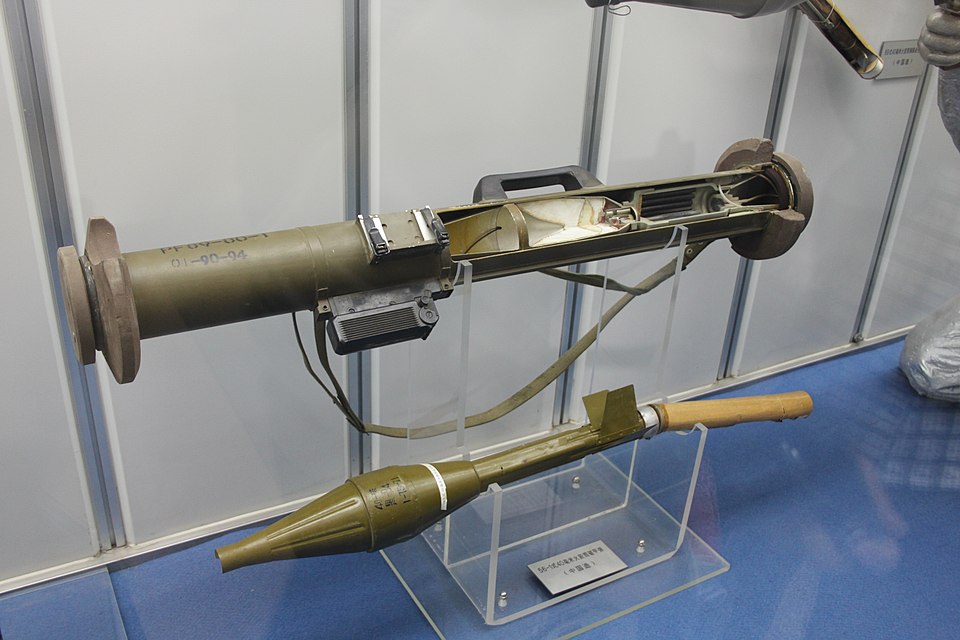
During a military mission in Afghanistan, Private Channing Moss was struck by a rocket-propelled grenade (RPG) during an ambush. The grenade’s fins were lodged in his abdomen, but the explosive charge remained intact.
Despite the enormous risk of detonation, a team of surgeons and explosives experts worked together to carefully remove the RPG and detonate it safely. After multiple surgeries, Moss was able to walk again and earned a Purple Heart for his bravery.
Forty Knives Found in a Man’s Stomach
An Indian man shocked doctors when they discovered that he had swallowed 40 knives over several months. He had been experiencing severe abdominal pain, but had not mentioned his unusual habit to doctors.
The knives had caused significant internal damage, and an intricate surgical procedure was required to remove them. This case was linked to pica, a condition where individuals compulsively eat non-food items, and it underscores the dangers of untreated mental health conditions.
Glass Bottle Trapped in a Man’s Rectum

One of the most bizarre cases involved a 73-year-old farmer who accidentally inserted a glass bottle into his rectum. While using a makeshift toilet outdoors, the farmer lost his balance and fell onto the bottle, embedding it in his body.
The bottle’s neck shattered, making its removal even more difficult. Doctors had to use special instruments to extract the broken glass safely, highlighting the unpredictable nature of trauma and the complexity of medical interventions.
High-Pressure Air Hose Inflicts Internal Injury
In a workplace accident in New Zealand, a truck driver was pierced by a high-pressure air hose that entered his body and caused him to swell like a balloon. The air entered through his buttocks and inflated his body, creating a dangerous and surreal medical situation.
Surgeons had to carefully remove the foreign object while managing the internal pressure, ultimately saving the man’s life. This unusual injury underscores how even air, when introduced into the body under pressure, can cause catastrophic damage.
Frozen Pig Tail Stuck in the Rectum
In one of the most peculiar cases ever recorded, a frozen pig tail was removed from a patient’s rectum. The tail had been inserted during a bizarre prank, and as it thawed, the bristles made it nearly impossible to remove.
Doctors had to use a hollow reed to extract the tail, a task that required careful planning and ingenuity. This case is a reminder of how strange and often dangerous human behavior can be, leading to injuries that require creative solutions.
Coins Swallowed and Left in the Stomach

In another case of pica, a man had over 4,000 francs in coins removed from his stomach. Swallowing coins is a well-known but highly dangerous habit, especially when the number of coins swallowed is large enough to cause severe internal damage.
The man had kept his condition a secret, making it more difficult for doctors to treat him. Surgical intervention was required to remove the coins, and this case highlights the importance of early intervention and the risks of undiagnosed eating disorders.
Conclusion
The human body is often more resilient than we give it credit for, but it is also surprisingly vulnerable to foreign objects, whether they enter from the outside or are introduced by unusual medical conditions.
While these stories may sound unbelievable, they serve as stark reminders of the unforeseen dangers that can arise and the medical expertise needed to address them.