11 Common Mistakes That Are Ruining Your Fried Eggs
Fried eggs look simple until they betray you. One minute, you are expecting glossy whites, golden yolks, and crisp edges; the next, you are staring at rubbery whites, broken yolks, burned bottoms, or eggs welded to the pan like kitchen cement. That is the sneaky thing about fried eggs. They do not need many ingredients, but they do demand attention, timing, and a little respect.
A good fried egg is all about control. The pan should be warm, not angry. The egg should slide, not fight back. The yolk should sit proudly in the middle, not run across the skillet before breakfast even begins. Chowhound’s guide highlights several common fried egg mistakes, including using old eggs, cracking them poorly, overheating the pan, skipping basting, and choosing the wrong skillet size. Below are the habits that quietly ruin fried eggs, along with the simple fixes that make breakfast taste like someone actually knew what they were doing.
Using eggs that are too old
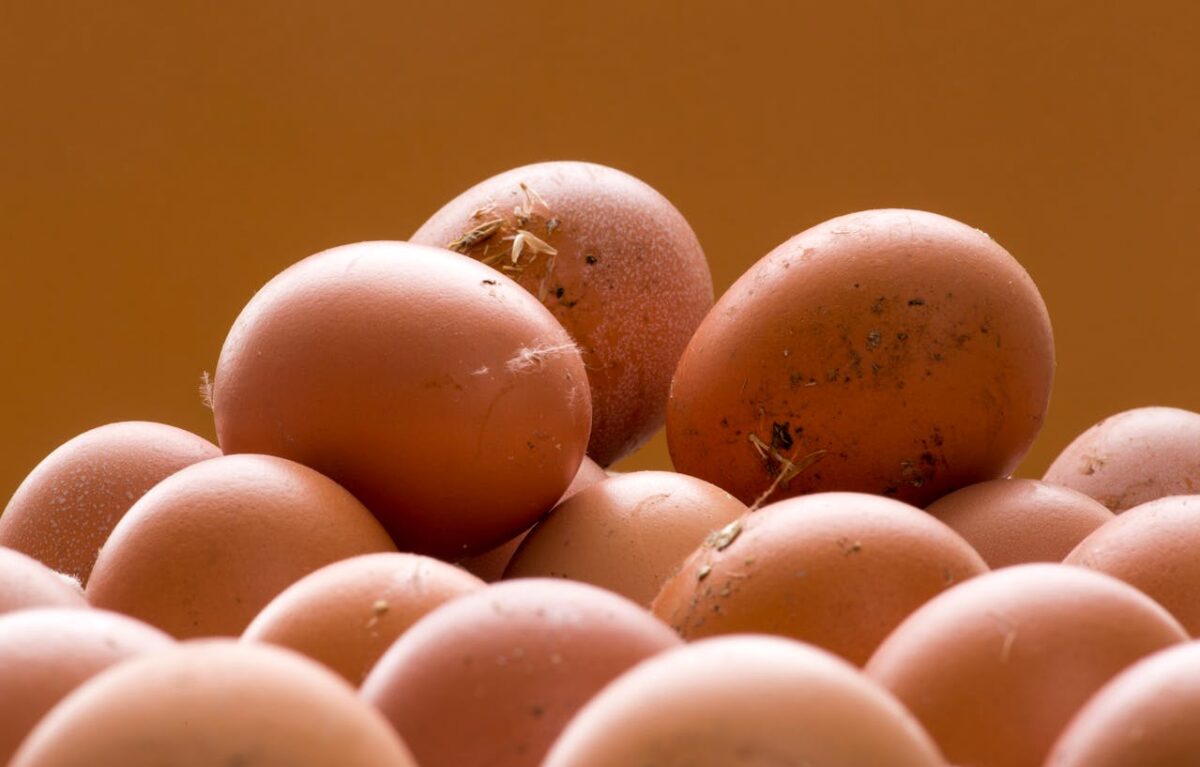
Old eggs are fine for some recipes, but they are not ideal for picture-perfect fried eggs. As eggs age, the whites become thinner and spread more in the pan, which makes the egg look flat, messy, and harder to flip.
Fresh eggs hold their shape better because the whites stay tighter around the yolk. That gives you a neater fried egg with a thicker white and a better texture. If your eggs keep running all over the skillet, the pan might not be the only problem. Start with fresher eggs, especially when presentation matters.
Cracking eggs on the edge of the pan
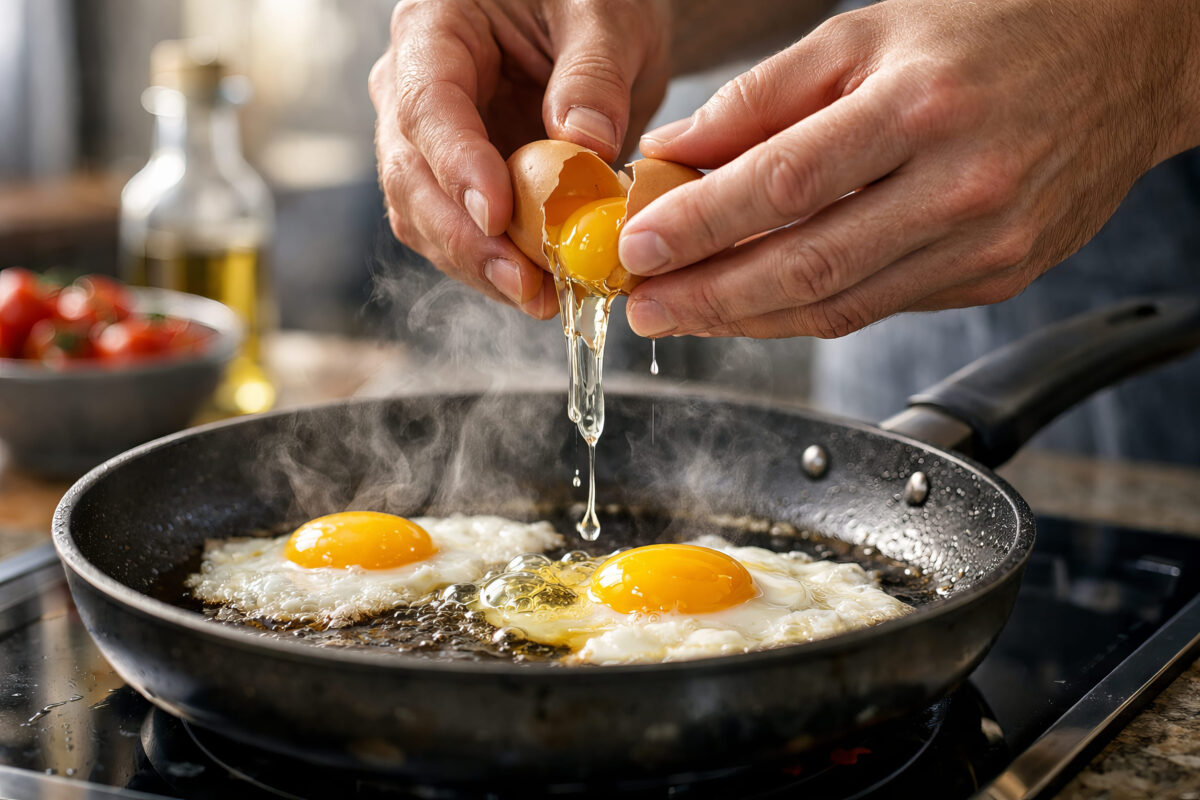
Cracking an egg on the edge of a pan feels natural, but it is one of the fastest ways to invite shell fragments into breakfast.
The sharp rim can push tiny shell pieces into the egg, and once those pieces hit hot oil, removing them becomes a tiny kitchen nightmare. A flat surface gives you a cleaner crack because it breaks the shell without driving it inward. Tap the egg gently on the counter, open it with both thumbs, and keep the shell away from the pan. It feels slower for three seconds, but it saves the whole dish.
Dropping the egg straight into the skillet
Cracking directly into the skillet sounds efficient, but it leaves no room for rescue. If the yolk breaks, the shell falls in, or the egg looks watery, you are already committed. Cracking the egg into a small bowl first gives you control.
You can remove shells, check freshness, and slide the egg gently into the pan without splashing oil or tearing the yolk. This trick is especially useful when cooking several eggs because each one gets its own quality check. It is the difference between casual cooking and calm cooking.
Letting the pan get too hot
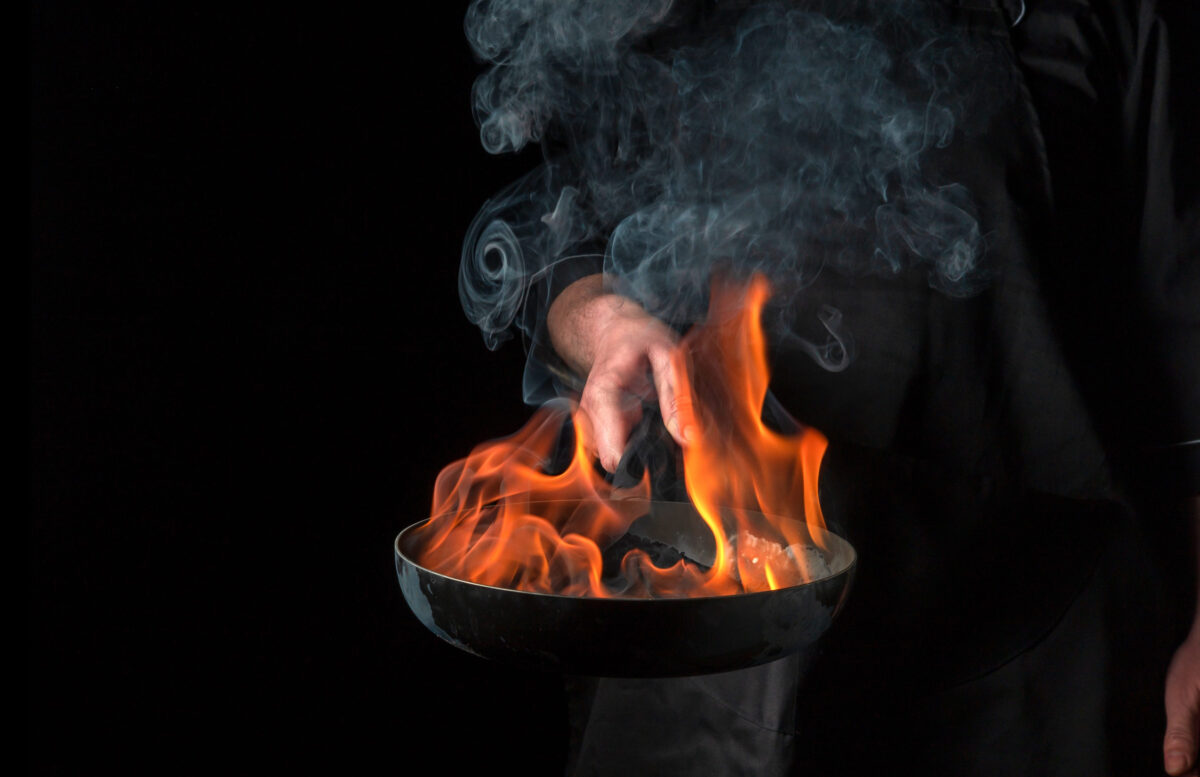
High heat is the villain behind many ruined fried eggs. It scorches the bottom before the top has time to set, leaving you with crispy edges that taste burned and whites that still look slippery. Fried eggs need steady heat, not panic heat.
Medium or medium-low usually gives you the best control. The egg should sizzle softly when it hits the pan, not scream. A slower start allows the whites to cook evenly and the yolk to stay rich, rather than turning chalky. If your eggs brown too fast, the heat is too aggressive.
Skipping enough fat in the pan
A dry pan is asking for trouble. Eggs are delicate, and without enough butter, oil, or cooking spray, they can stick to the surface and refuse to move. That is how yolks break, whites tear, and breakfast turns into scrambled disappointment.
Fat creates a protective layer between the egg and the pan while adding flavor. Butter adds richness, olive oil adds a cleaner, savory edge, and a mix of both can help balance flavor and browning. You do not need to drown the egg, but the pan should have enough fat to let the egg glide.
Forgetting to baste the egg
Basting is the quiet trick that makes fried eggs look polished. Instead of flipping the egg and risking a broken yolk, you spoon hot butter or oil over the top so the whites finish cooking gently. Another method is to add a teaspoon of water to the pan and briefly cover it with a lid.
The trapped steam helps set the top without overcooking the bottom. This is especially helpful if you like sunny-side-up eggs but hate clear, undercooked whites. Basting gives you control from above and below, which is exactly what fried eggs need.
Overcooking until the whites turn rubbery
An overcooked fried egg loses its charm fast. The whites become tough, the edges taste bitter, and the yolk goes from silky to dry. Many people overcook eggs because they wait for every part to look completely firm in the pan.
The problem is that eggs keep cooking from residual heat after you remove them. Pull the egg slightly before it looks fully done, especially if you want a soft yolk. A perfect fried egg should feel tender, not leathery. The goal is to cook, not to punish.
Cooking eggs straight from the fridge
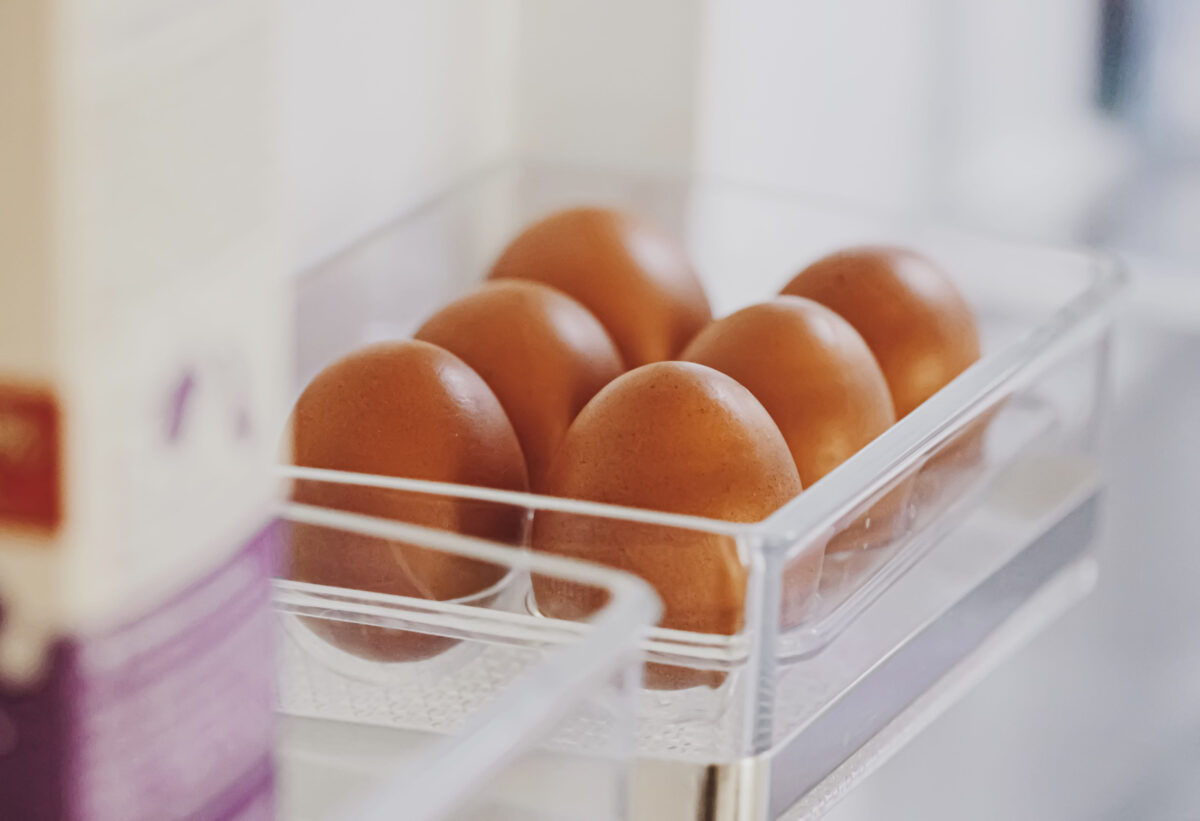
Cold eggs can cook unevenly because they drop the pan’s temperature as soon as they hit it. The whites may spread slowly, the yolk may stay too cold, and the timing becomes harder to judge.
Letting eggs sit out briefly before cooking can help them cook more evenly. Food safety still matters, though. USDA guidance says refrigerated eggs should not be left out for more than two hours, so this is a short rest, not an all-morning counter display. Ten to fifteen minutes is usually enough to take the chill off.
Seasoning only at the very end
Salt and pepper added after cooking can taste harsh because they sit on top rather than blend into the egg. A better move is seasoning during the cooking process. Add a small pinch of salt once the whites begin to set, or season the butter or oil before the egg goes in.
This helps the flavor spread more evenly. Pepper, chili flakes, paprika, garlic powder, or a tiny pinch of herbs can work beautifully, but restraint matters. A fried egg should still taste like an egg, not like the spice cabinet fell into the pan.
Using the wrong pan
The pan can make or break your fried egg. A sticky old skillet with a scratched coating will fight you from the first second.
A pan that is too large lets the whites spread too thin, and a pan that is too small crowds the egg. For one or two eggs, a small nonstick or well-seasoned skillet usually works best. It keeps the egg contained and makes flipping or sliding easier. Cast iron can also work if it is properly seasoned, but it needs enough fat and careful heat control. The right pan makes the egg feel cooperative.
Moving the egg too soon
Patience is a fried egg skill. If you try to move the egg before the bottom has set, the whites tear, and the yolk wobbles into danger.
Give the egg time to form a stable base before touching it with a spatula. You will know it is ready when the edges look set and the spatula slides underneath without dragging. This does not mean abandoning the pan. Watch it closely, adjust the heat, and let the egg tell you when it is ready. Good fried eggs reward calm hands.
Conclusion
Fried eggs are not difficult, but they are honest. They show every shortcut. Old eggs spread, hot pans scorch, dry skillets stick, and rushed spatulas break yolks without mercy. The good news is that every mistake has a simple fix. Use fresher eggs, crack them into a bowl, control the heat, add enough fat, baste when needed, and stop cooking before the egg turns tough.
Once you learn these small habits, fried eggs stop feeling unpredictable. They become the kind of breakfast that looks effortless because the technique is doing the heavy lifting. A great fried egg does not need fancy equipment or chef-level drama. It needs timing, patience, and a pan that is warm enough to cook but not hot enough to bully the egg into disaster.