10 Bizarre Schemes Corporations Have Tried To Get Away With
Large corporations are often viewed as trustworthy entities, but over the years, several major companies have been exposed for engaging in unethical and downright bizarre schemes to boost profits or manipulate public perception.
These scandals not only highlight the lengths these companies are willing to go to protect their bottom line but also demonstrate how easily trust can be exploited. From fake accounts to hidden software, these cases show that even the most respected brands can hide dark secrets.
Wells Fargo’s Fake Accounts Scandal
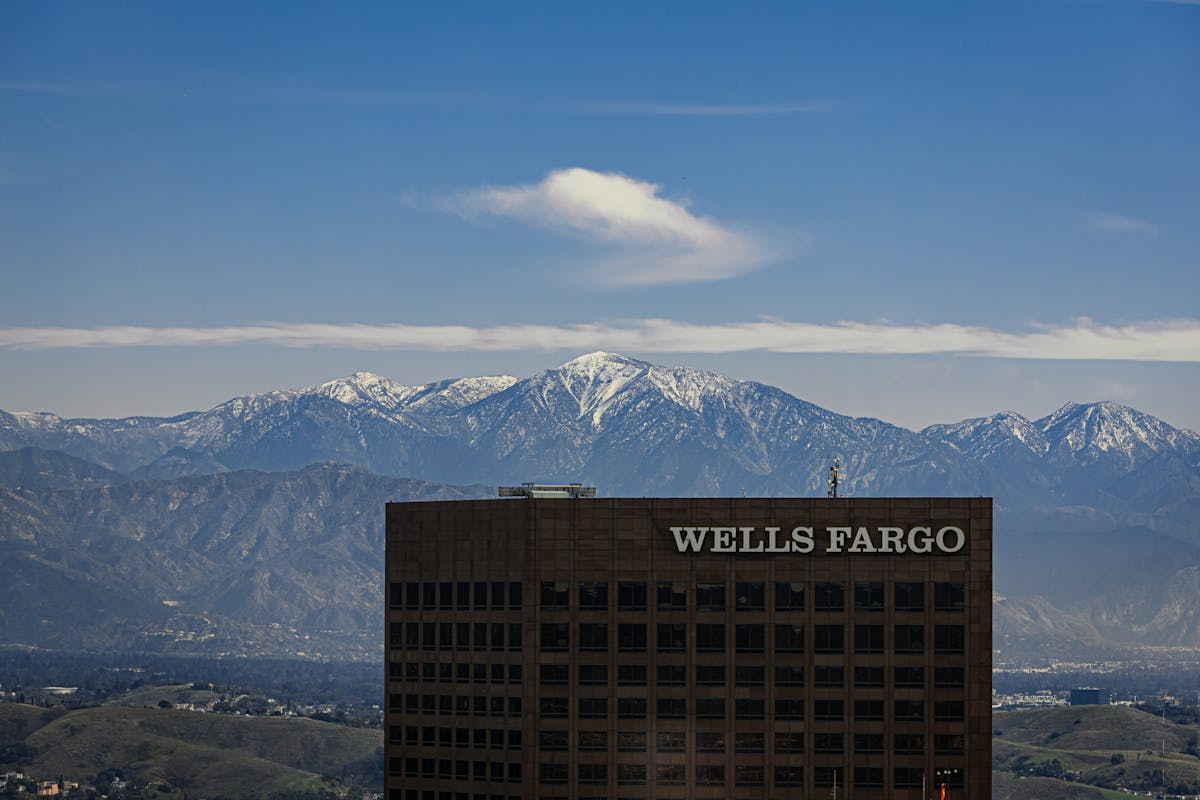
Wells Fargo became infamous for creating over two million fake accounts in 2016, a move designed to meet aggressive sales targets set by the company. Employees were opening accounts without customer consent, leading to unnecessary fees and a significant breach of trust. This scheme lasted for years before being exposed, resulting in a major fine and widespread public backlash. Thousands of employees lost their jobs, and the bank was left to clean up the mess of their scandalous actions.
Volkswagen’s Emissions Deception
Volkswagen’s diesel scandal shocked the automotive world when it was revealed that the company had installed software in millions of vehicles to cheat emissions tests.
These vehicles were marketed as environmentally friendly, but in reality they emitted nitrogen oxide levels up to 40 times above permitted levels. The company’s efforts to cover up the truth resulted in massive fines and a tarnished reputation, affecting not just the company but also the broader automotive industry’s credibility.
Enron’s Energy Crisis Manipulation
Enron’s involvement in the California energy crisis serves as one of the most egregious examples of corporate malfeasance. In the early 2000s, rolling blackouts and skyrocketing electricity prices were blamed on an energy shortage.
However, it later emerged that Enron deliberately manipulated the market by creating artificial shortages, leading to inflated energy prices that cost Californians billions. The company’s fraudulent actions contributed to its eventual bankruptcy, and the scandal forever changed the way energy markets were regulated.
Bank of America’s Credit Card Scams

In 2014, Bank of America was fined for illegal credit card practices that misled customers into signing up for services they did not request. Telemarketers misrepresented the terms of these services, leading many customers to unknowingly incur charges.
The bank was required to pay hundreds of millions of dollars in refunds, yet the damage done to its reputation lingered long after the settlements were made.
Ocwen’s Mortgage Servicing Fraud
Ocwen Financial Corporation came under fire for deceptive mortgage servicing practices, including backdating letters to mislead homeowners about late payments. This created false records that ultimately led to foreclosures, resulting in hundreds of thousands of victims suffering from this fraudulent activity.
In response, federal agencies imposed a $2.1 billion settlement and ordered compensation for those harmed by the company’s actions.
Walmart’s Bribery Scandal in Mexico

In 2012, Walmart was exposed for engaging in widespread bribery in Mexico, where it had paid officials to secure permits and speed up its expansion. The scandal drew attention to the corrupt practices that can sometimes be hidden behind multinational operations.
Despite claiming no involvement, Walmart faced significant scrutiny, and the case served as a cautionary tale about the potential consequences of corporate greed on a global scale.
ExxonMobil’s Climate Change Denial
ExxonMobil’s role in the climate change debate became more controversial when it was revealed that the company had known about the environmental risks associated with fossil fuels since the 1970s.
Despite this knowledge, ExxonMobil publicly denied the impact of climate change and spent millions to cast doubt on scientific findings. This behavior not only misled the public but also delayed meaningful action on climate change, with lasting consequences for the planet.
Best Buy’s Price Manipulation
Best Buy found itself in hot water in 2007 when customers noticed discrepancies between online prices and in-store prices for the same items.
It later emerged that the company had been using two almost identical websites to manipulate in-store pricing, leading customers to believe they were paying less than they actually were.
The company faced a lawsuit over these deceptive practices and was forced to address the issue, but the damage to its reputation had already been done.
SeaWorld’s Poll Rigging

After the release of the documentary Blackfish, which exposed SeaWorld’s mistreatment of orcas, the company attempted to manipulate public opinion by rigging a poll that showed overwhelming support for its practices.
The poll was traced to SeaWorld’s own IP address, leading to accusations of using bots to sway the results. This desperate attempt to salvage its image backfired, causing even more damage to the company’s reputation.
Signet Jewelers and the Diamond Swapping Scandal
Signet Jewelers, the parent company of Kay Jewelers, became embroiled in a scandal in 2016 when it was revealed that customers’ diamonds had been swapped for cheaper alternatives, including moissanite, after repairs.
The company suffered significant sales losses as a result, and the public’s trust in the brand was severely damaged. Further investigations uncovered predatory financing tactics, leading to a hefty settlement with regulators.
Conclusion
The schemes outlined above demonstrate that even the most established companies can engage in unethical practices that harm customers, distort markets, and manipulate public opinion.
While some of these scandals led to settlements and fines, the true cost often extends far beyond financial penalties, with long-lasting damage to the brand’s reputation.
These cases serve as a reminder of the importance of corporate accountability and transparency, highlighting how easily trust can be exploited for profit.