8 Foods with Dark Histories Linked to Occult Rituals
Food has always done more than feed us. In nearly every culture, the kitchen has doubled as a threshold space where nourishment, fear, luck, protection, fertility, and prophecy all meet. Long before science explained preservation or fermentation, people were already reading signs into what they cooked and consumed.
When we trace the folklore around “magical foods,” a pattern emerges. The foods most likely to gain occult reputations are the ones that preserve life, resemble blood or seeds, ferment dramatically, sprout unexpectedly, or appear in rites of birth, marriage, death, and harvest.
Here are the 8 foods that have been linked to occult powers, magic, and ritual belief.
Wine

Wine gained its occult reputation because it changes people and visibly transforms itself. Grapes ferment, sugar turns into intoxication, and the person who drinks becomes altered in mind, mood, and social behavior. Ancient Mediterranean religion made that transformation sacred by linking wine to Dionysus, the god of wine, ecstasy, and fruitfulness. Once wine became associated with altered states, ritual performance, and divine frenzy, it was never going to remain just another beverage.
In mystical and occult settings, anything that blurs the line between ordinary consciousness and heightened experience becomes symbolically valuable. Wine, therefore, carried a dual meaning: it was a gift of civilization and a substance that seemed able to loosen the veil between the human and the more-than-human.
Beans
Beans may seem too plain to attract supernatural meaning, yet folklore gave them a surprisingly eerie afterlife. Ancient traditions linked beans with spirits, death, and the uneasy traffic between the living and the dead. Some accounts of Pythagorean belief even claim that beans were avoided because they were thought to contain or transmit souls, while Roman lore connected beans to rituals involving the restless dead.
That is exactly how a humble staple becomes occult: not through spectacle, but through repetition in rites that deal with invisible forces. Beans also lend themselves to casting, counting, sorting, and pattern reading, which makes them practical tools for divination. Once a food can be both eaten and interpreted, it quickly crosses into symbolic territory.
Salt

Salt may be the clearest example of a food becoming magical because of its practical power, which was impossible to ignore. It preserves food, purifies surfaces, stings wounds, and was once so precious that wasting it felt dangerous in more ways than one. From there, it was a short step to believing salt could also preserve order, repel evil, or interrupt bad luck.
That logic still persists in the superstition of throwing spilled salt over the left shoulder to ward off or blind harmful forces. Even when modern people treat that gesture like a joke, they are participating in a very old ritual grammar. Salt has endured in occult symbolism because it feels effective. It does something tangible in the world, so people long assumed it could do something intangible too.
Garlic
Garlic’s occult image is almost too vivid to forget. It smells strong, lingers in the air, repels more than just appetite, and has a long reputation in both medicine and folklore. That made it a natural candidate for protective superstition. Over time, garlic came to be seen as a barrier against disease, corruption, evil spirits, and, eventually, vampires.
The folklore sounds theatrical, but the symbolic logic is straightforward: if a plant is pungent, cleansing, and medicinal, people easily imagine it as spiritually defensive as well. Garlic is not delicate. It announces itself. That forceful sensory presence gave it cultural authority as an exorcist among foods, a kitchen ingredient that seemed capable of drawing a line and daring the unseen to cross it.
Apples
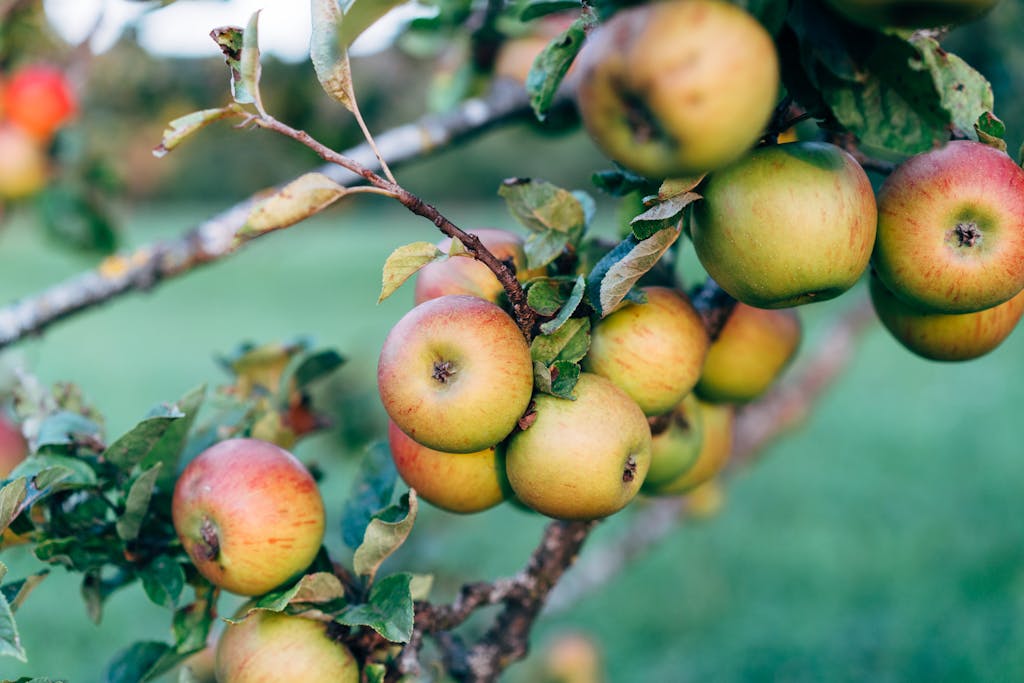
Apples earned their occult reputation less through terror than through prophecy. In British and Irish seasonal folklore, especially around Halloween and related autumn customs, apples were used in games and rituals meant to reveal the future, often in matters of courtship and marriage. Apple bobbing was not always just party entertainment. Earlier forms of the custom were tied to divination, and apple peeling rituals were believed to reveal the initial of a future spouse.
Apples worked well in this role because they already carried mythic associations with youth, beauty, harvest, and otherworldly promise. Their smooth skin, hidden seeds, and easy visibility in communal games made them ideal ritual objects. The apple became magical not because it was rare, but because people kept asking it to answer intimate questions.
Corn and Maize
In the Americas, maize was not simply a crop. In many traditions, identity, ancestry, survival, and cosmology made edibles. Maya tradition, for example, ties corn to the making of human life, while broader Indigenous symbolism across the Americas treats maize as a sacred substance bound up with ceremony, reciprocity, and seasonal renewal. That makes corn one of the strongest examples of a food that acquires supernatural or sacred significance through its civilizational importance.
When a people depend on a crop so deeply that it shapes ritual, story, community, and the understanding of what a human being is, that crop stops being just agriculture. It becomes theology with roots. In that context, maize does not merely feed the world. It explains the world.
Pomegranate
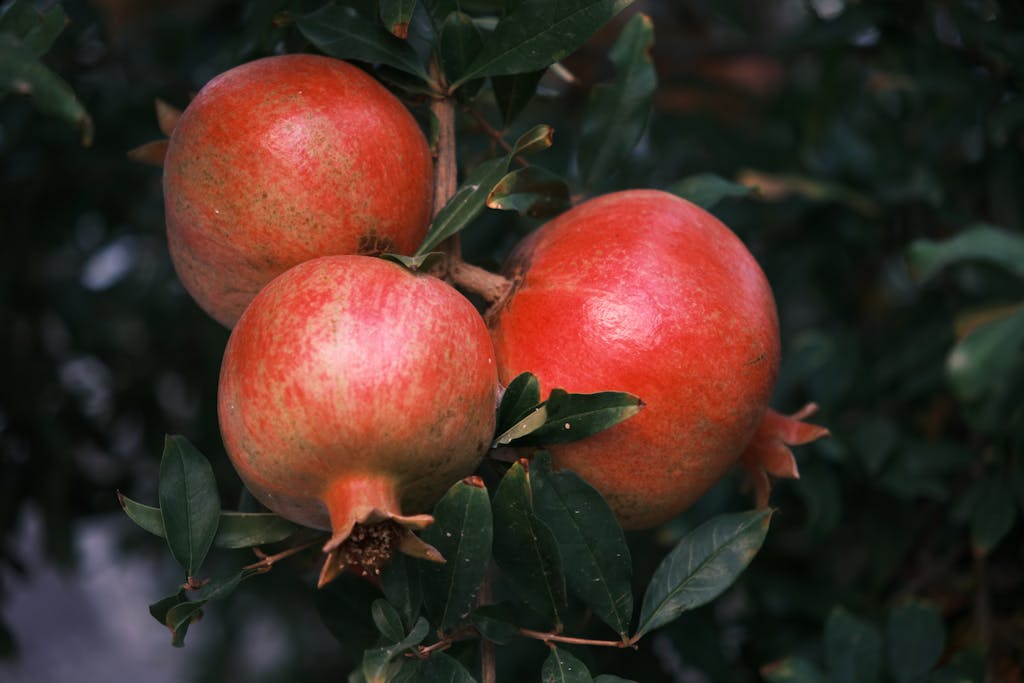
Few foods wear a darker symbolic cloak than the pomegranate. Its hard shell hides an interior packed with blood-red seeds, so it almost invites mystical interpretation before a single myth is told. In Greek tradition, the fruit became permanently tied to Persephone and the underworld because eating its seeds bound her to Hades for part of each year.
That single story gave the pomegranate a long afterlife as a food of entanglement, fertility, seduction, death, and return. It is easy to see why later occult-minded readers kept reaching for it. The fruit is not just eaten in myth. It seals a fate. That is a powerful symbolic upgrade for something sold in a market basket.
Eggs
The egg has always looked like a sealed mystery. It contains life, hides its contents, and breaks open in a moment of sudden revelation, which is almost too perfect for ritual use. Across traditions, eggs have symbolized rebirth, renewal, fertility, and cosmic beginnings, but they have also been used in divination and protection rites.
That combination made them especially potent in folk occult practice. An egg could symbolize life, absorb harm, expose hidden influence, or reveal the future depending on the ritual frame around it. That flexibility is what gave it staying power. Unlike a ceremonial relic, an egg was available, familiar, and charged with the quiet drama of potential.
Conclusion
What makes these foods enduring is not just the myths attached to them, but how easily those meanings slip into everyday life. Even now, long after many people have stopped believing in spirits or omens, the gestures remain, throwing salt over a shoulder, saving bread from waste, treating honey as something almost sacred.
These habits reveal something deeper than superstition. They show how humans have always tried to make sense of the invisible through the visible, using what they could touch, taste, and share. Food became a language for expressing uncertainty, hope, fear, and control in a world that often felt unpredictable.