The 8 Hottest Food Trends You Should Avoid in 2026
Food trends in 2026 are moving fast, and some of them are being sold with the kind of confidence that makes bad ideas look smart. Clean eating, gut health products, high-protein everything, and TikTok-powered “wellness” foods are dominating the conversation this year, but popularity is not the same thing as quality. Trend reports this month show that clean eating, gut health, affordability, and TikTok-shaped nutrition are among the biggest forces guiding what people buy right now.
That does not mean every popular product deserves space in your cart. Many of the trendiest foods of 2026 come wrapped in a health halo, but once you look past the branding, you may find too much sugar, too much sodium, too much caffeine, or claims that sound better than they hold up in real life. If a trend makes eating feel more confusing, more expensive, or more extreme, it is probably worth stepping back.
Protein-packed foods that shove protein into everything
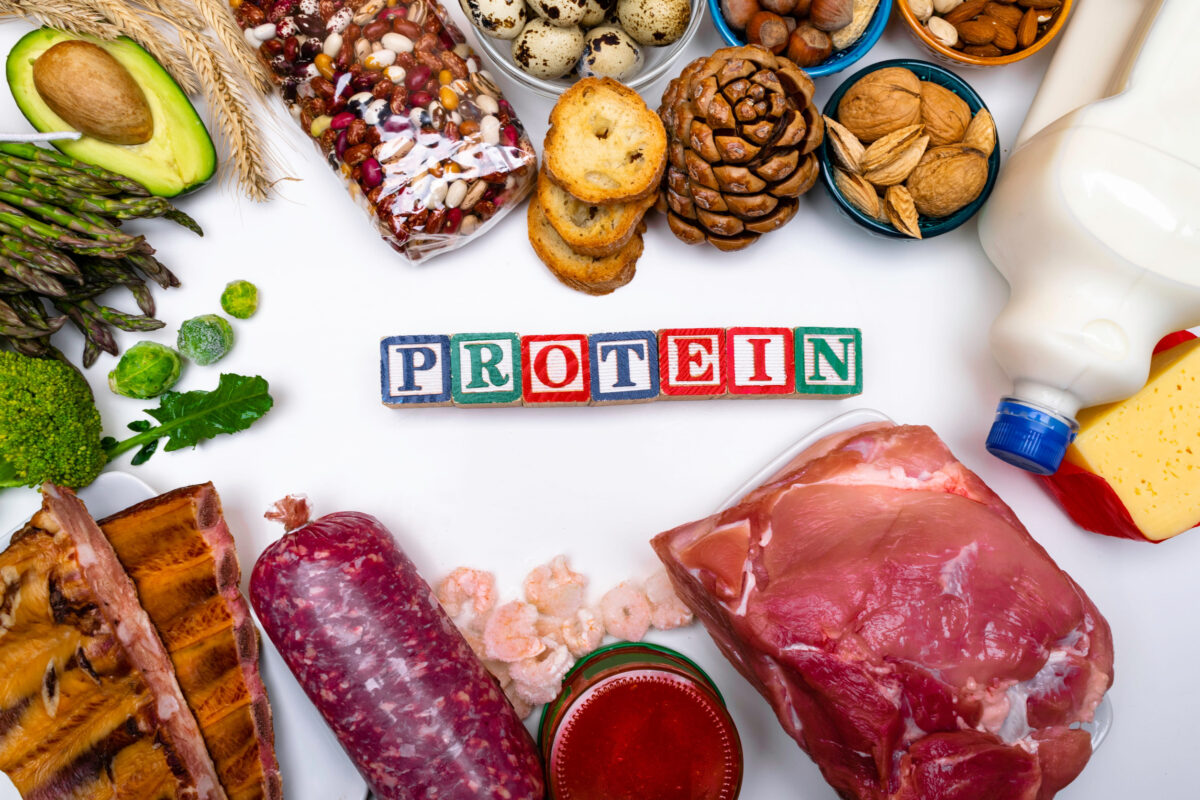
Protein is still everywhere in 2026. Trend trackers from Expo West showed protein moving far beyond shakes and bars and into waffles, pasta, desserts, sauces, pretzels, and cheese. That sounds exciting until every grocery aisle starts acting as the body can only survive on “boosted” snacks.
The problem is not the protein itself. The problem is the way it is being used as a marketing shortcut. A protein cookie is still a cookie, and a protein pretzel can still be a salty processed snack. When brands treat one nutrient like a magic stamp of approval, people stop looking at the full label. In 2026, that is one of the easiest ways to spend more money on food, which is only pretending to work harder for you.
Fibermaxxing when it turns junk food into a wellness costume

Fiber is having a very real moment, and in many ways, that is good news. Experts and trend watchers agree that fiber-rich eating is surging, and many people still do not get enough of it. But 2026 has also created a new problem: the rise of fortified foods and drinks that treat a sprinkle of added fiber as a fix for an otherwise weak product.
That is where fibermaxxing becomes something to avoid. A soda with added fiber is still not the same as beans, oats, fruit, lentils, or vegetables. Even trend coverage that celebrates fiber keeps pointing people back to whole foods as the better source. In other words, the trend is useful until it becomes another excuse to buy expensive packaged food dressed up as nutrition.
Gut health drinks that promise more than they deliver
Gut health is one of the biggest food stories of 2026, with FoodNavigator reporting a market value of about $60 billion and strong growth ahead. That explosion has helped create a flood of prebiotic sodas, kombuchas, probiotic shots, and functional drinks that all want to be your shortcut to better digestion.
The issue is not that these drinks are automatically useless. It is that many of them are being sold as miracle workers. EatingWell notes that no single trendy drink transforms your gut overnight, and even the Poppi settlement drew attention to how shaky some “gut healthy” marketing can be when the product delivers very little fiber per can. Some of these drinks can fit into a balanced routine, but treating them like a cure is where the trend starts going wrong.
Raw milk and raw dairy are dressed up as “natural.”

This is one trend that deserves a firm no. Interest in raw milk and raw dairy has kept rising, especially among younger shoppers who connect “less processed” with “better.” The problem is that food safety agencies keep saying the same thing for a reason. Raw milk can carry dangerous bacteria, and in 2026, the CDC and FDA were investigating an E. coli outbreak linked to raw cheese and raw milk sold by Raw Farm.
This is not fearmongering. It is basic food safety. The FDA says raw milk can carry Salmonella, E. coli, Listeria, and other germs, and CDC outbreak pages this month warned consumers not to eat or serve recalled raw dairy products. If a trend asks you to romanticize risk just because it sounds old-fashioned and pure, it is a trend worth leaving behind.
Super greens powders that sell a fantasy in a scoop
Green powders look like the perfect modern food trend. They are fast, clean-looking, easy to post online, and sold as a shortcut to vegetables, energy, immunity, and digestive bliss. Unfortunately, 2026 has already shown how shaky that category can be. The CDC linked Live it Up Super Greens supplement powders to a Salmonella outbreak that sickened dozens of people across multiple states, and FDA investigations also tied contaminated moringa products to outbreaks and recalls.
Beyond the recalls, the bigger issue is psychological. Green powders tempt people into believing that real eating can be replaced by a spoonful of green dust. That fantasy is very profitable, but it is not a smart way to build a diet. If your “wellness” habit has more branding than vegetables, that is a red flag.
Natural energy drinks that are still just caffeine in prettier packaging
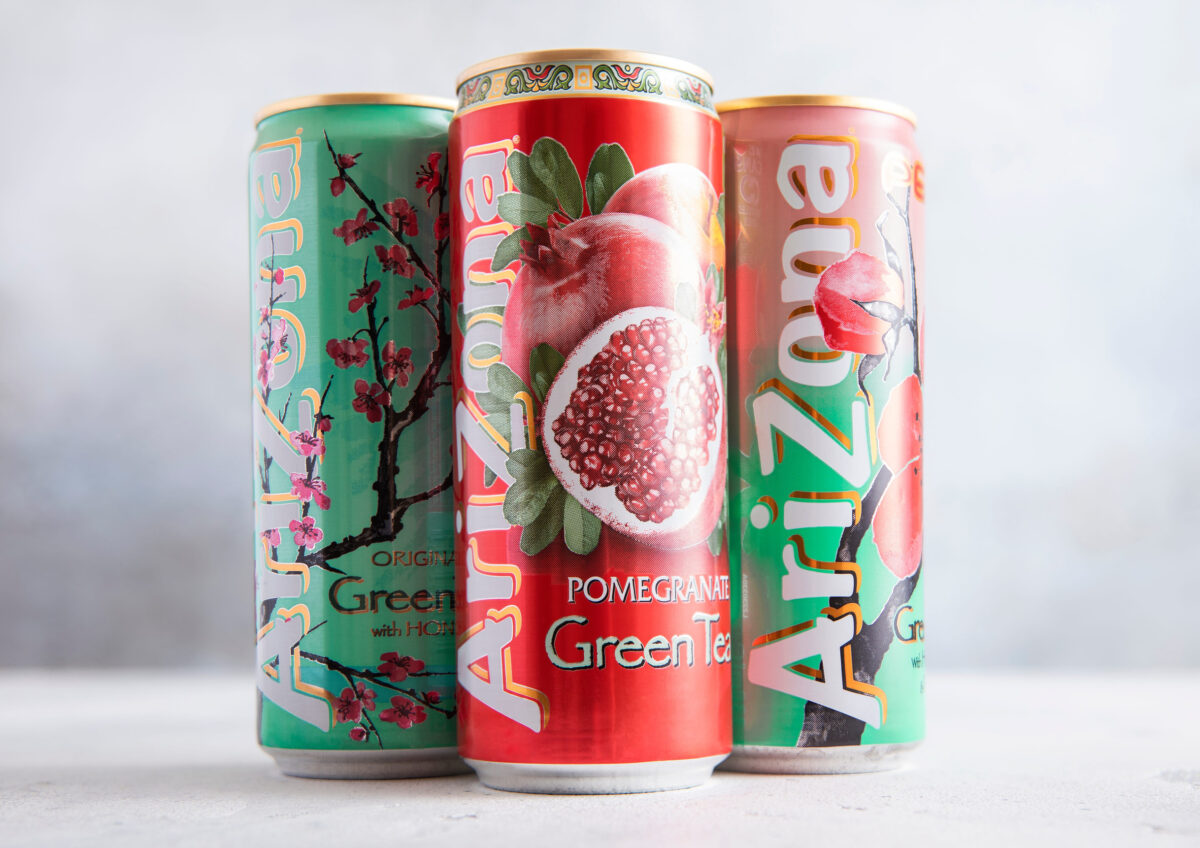
Another hot 2026 trend is the softer-looking energy drink. Think matcha cans, yerba mate, mushroom coffee, and adaptogen blends with calm colors and wellness language. Good Housekeeping highlighted natural energy drinks as a major trend this year, but it also made the important point that your body still responds to caffeine as a stimulant, no matter how earthy or elegant the branding looks.
That is why this trend deserves caution. Many of these drinks sound cleaner and smarter than old-school energy drinks, but too much caffeine is still too much caffeine. Some also stack multiple stimulants or lean hard on trendy ingredients that sound impressive but do not change the basics. If a drink leaves you wired, dehydrated, or dependent on constant top-ups, the label design did not save it.
Clean label foods that make “natural” sound like a nutrition plan
Clean eating is one of the biggest trend words of 2026, and clean-label products are being treated like premium choices. The trouble is that “clean label” still has no formal definition, according to the Institute of Food Technologists. That means the term can sound scientific and trustworthy without actually telling you much about nutritional quality.
This is exactly where shoppers get tricked. A shorter ingredient list can be appealing, but a food does not become healthy just because it sounds rustic, natural, or simple. FoodNavigator recently put it bluntly, noting that “natural” is often perceived as healthier, even though it’s not proven to be. In 2026, one of the smartest things you can do is stop letting clean label language do all the thinking for you.
TikTok foods built for views instead of real life
TikTok is no longer just reacting to food trends. It is helping create them. Food trend coverage in 2026 points to TikTok as a powerful driver of what takes off, from cottage cheese spins to Dubai chocolate to oddball presentation trends that turn eating into a performance. That is great for clicks, but not always great for common sense.
The main issue is speed. Viral foods are often built to look dramatic, indulgent, or “healthy enough” in a short video, not to fit into an actual balanced routine. They can also push people to buy obscure ingredients, overpay for hype, or copy nutrition advice from creators who are much better at editing than at evidence. The trend may be hot, but that does not mean your kitchen needs to follow it.
Conclusion
The food world in 2026 is crowded with products that know exactly how to flatter modern anxieties. They promise more protein, better digestion, cleaner ingredients, smoother energy, and easier health, all in one neat package. Some of those ideas have value, but the trend becomes a problem the moment it starts replacing judgment.
The safest rule this year is simple. Avoid any food trend that asks you to ignore the full label, trust marketing over evidence, or treat extreme habits as smart living. The hottest food trend isn’t always the smartest, and in 2026, that difference matters more than ever.