8 Reasons Many Americans Feel Less United Than Ever
America has always argued with itself. That is part of the country’s personality. The problem now is that too many arguments no longer feel like debates between neighbors. They feel like battles between strangers who happen to share the same flag. At kitchen tables, church parking lots, school board meetings, office break rooms, and comment sections, people are discovering how quickly one topic can turn a normal conversation into a cold silence.
Many Americans still want the same basic things. They want safety, fair wages, affordable homes, decent schools, honest leaders, and a future that does not feel like a trap. Yet the country often feels split into different emotional worlds. Here are eight reasons many Americans feel less united than ever.
Politics Has Moved Into Everyday Life

Politics used to show up mostly during elections, debates, and big national moments. Now it seems to sit inside everything. A movie, a beer brand, a school lesson, a court case, a sports event, or even a holiday greeting can turn into a political test. People feel pushed to declare where they stand before they even explain what they mean.
That constant pressure wears people down. It makes ordinary conversations feel risky. A neighbor is no longer just a neighbor. A coworker is no longer just a coworker. People start sorting each other into teams before they hear the full story, and unity becomes harder when everyone feels watched, judged, or misunderstood.
Social Media Rewards Outrage

miniature figurines of a politician speaking to the people during an election rally. Calm opinions often disappear quietly. Angry posts travel faster because they trigger fear, pride, disgust, or humiliation. The loudest voices begin to look like the majority, even when they are only the most aggressive people in the room.
This creates a distorted picture of America. People see viral clips of strangers behaving badly and start believing half the country is insane. They read cruel comments and assume real life is just as hostile. Over time, the screen teaches people to expect the worst from each other, and that expectation follows them offline.
Trust in Institutions Has Collapsed
A united country needs some shared trust. People do not have to agree on every issue, but they need to believe that courts, schools, newsrooms, elections, public agencies, and leaders are at least trying to function fairly. When that trust breaks, every decision starts looking suspicious.
Many Americans now feel that institutions serve someone else. Some think the system protects elites. Others think it punishes ordinary workers. Some believe the media hides key facts. Others believe politicians perform for cameras instead of solving problems. Once trust fades, every crisis becomes another reason to pick sides.
Money Stress Is Turning People Against Each Other

Economic pressure does not always create unity. Sometimes it creates resentment. When rent climbs, groceries feel expensive, medical bills scare families, and young adults struggle to buy homes, people begin asking who is getting ahead at their expense. That question can quickly turn bitter.
Instead of blaming broken systems, Americans often blame each other. Older people may accuse younger generations of being soft. Younger people may accuse older generations of pulling the ladder up behind them. Workers blame immigrants. Taxpayers blame benefit recipients. Struggling families blame anyone who appears to be getting help. Money stress turns frustration into suspicion.
Different News Worlds Create Different Realities
Two Americans can live in the same town and believe completely different versions of the country. One watches stories about crime, border chaos, and cultural decline. Another watches stories about inequality, threats to rights, and political extremism. Both may feel informed, yet they are reacting to different emotional maps.
That makes conversation difficult. People are not just disagreeing about opinions. They disagree about what is real, what matters, and who is dangerous. When families gather for dinner, one person may see a policy debate, while another sees a moral emergency. Unity struggles when Americans no longer share the same starting point.
Cultural Change Feels Too Fast for Some and Too Slow for Others
America is changing in visible ways. Race, gender, religion, family structure, language, work culture, and identity are all being debated in public. For some Americans, these changes feel overdue and necessary. For others, it feels confusing, forced, or threatening. Both reactions shape how people see the country.
This creates a painful national tension. One group may feel America is finally becoming more honest. Another may feel the country is losing traditions that gave life structure. The argument becomes personal because culture lives close to home. It affects schools, workplaces, churches, entertainment, parenting, and even how people speak.
Community Life Has Weakened
Unity is easier when people know each other outside politics. A neighbor who helps fix your fence is harder to hate. A parent from your child’s school is harder to stereotype. A coworker who covers your shift becomes more than a political label. Real contact softens hard opinions.
But many Americans are more isolated than before. People spend less time in local clubs, neighborhood groups, religious communities, and face-to-face civic spaces. Work is remote for some, unstable for others, and exhausting for many. Without strong local ties, people form opinions about each other through headlines and algorithms rather than shared experience.
Leaders Often Benefit From Division
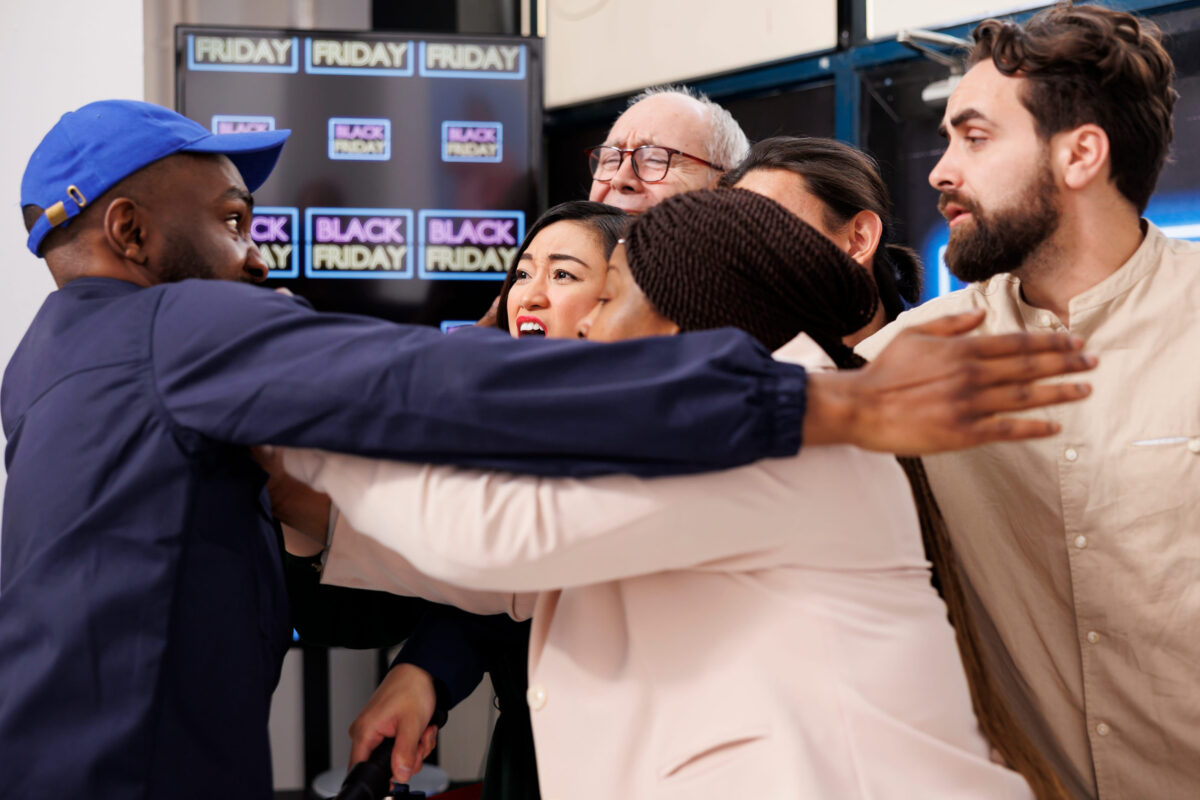
Division is useful to people who know how to profit from it. Politicians raise money from fear. Media personalities gain attention from conflict. Influencers build followings by mocking the other side. Even brands sometimes step into culture wars because anger keeps people talking.
This leaves ordinary Americans carrying the emotional cost. People lose friends, fight with relatives, distrust neighbors, and feel anxious about the future. Meanwhile, the loudest public figures gain clicks, donations, ratings, and power. Unity becomes harder when the national stage keeps rewarding people who pour gasoline on every disagreement.
Conclusion
Many Americans feel less united because division is no longer limited to politics. It has entered money, media, culture, family life, schools, religion, work, and the way people describe one another. The country still shares hopes, but they are buried under fear, distrust, financial pressure, and constant outrage.
The good news is that unity does not require everyone to think the same way. It starts smaller than that. It starts when people stop treating disagreement as proof of evil. It grows when Americans spend more time listening in real life than reacting online. The country may feel painfully divided, but the path back begins with something simple: remembering that most people are not enemies. They are tired, worried, imperfect human beings trying to make sense of a difficult time.