Family of 1-year-old fatally shot by officer to conduct independent autopsy: Attorney
What started as a call about alleged shoplifting inside a Walmart parking lot has now become something far heavier, an unfolding fight over video evidence, police use-of-force decisions, and whether a grieving family will ever see the full truth of how a 1-year-old boy died.
The family of Kohen Wiley, the toddler fatally shot during a police encounter in Senatobia, Mississippi, says they are preparing an independent autopsy as pressure builds for transparency in a case already defined by competing accounts and unanswered questions. For them, the autopsy is not symbolic. It is strategic. A way to reconstruct the final seconds of a child’s life through science, not statements.
From Shoplifting Call to Gunfire in a Parking Lot
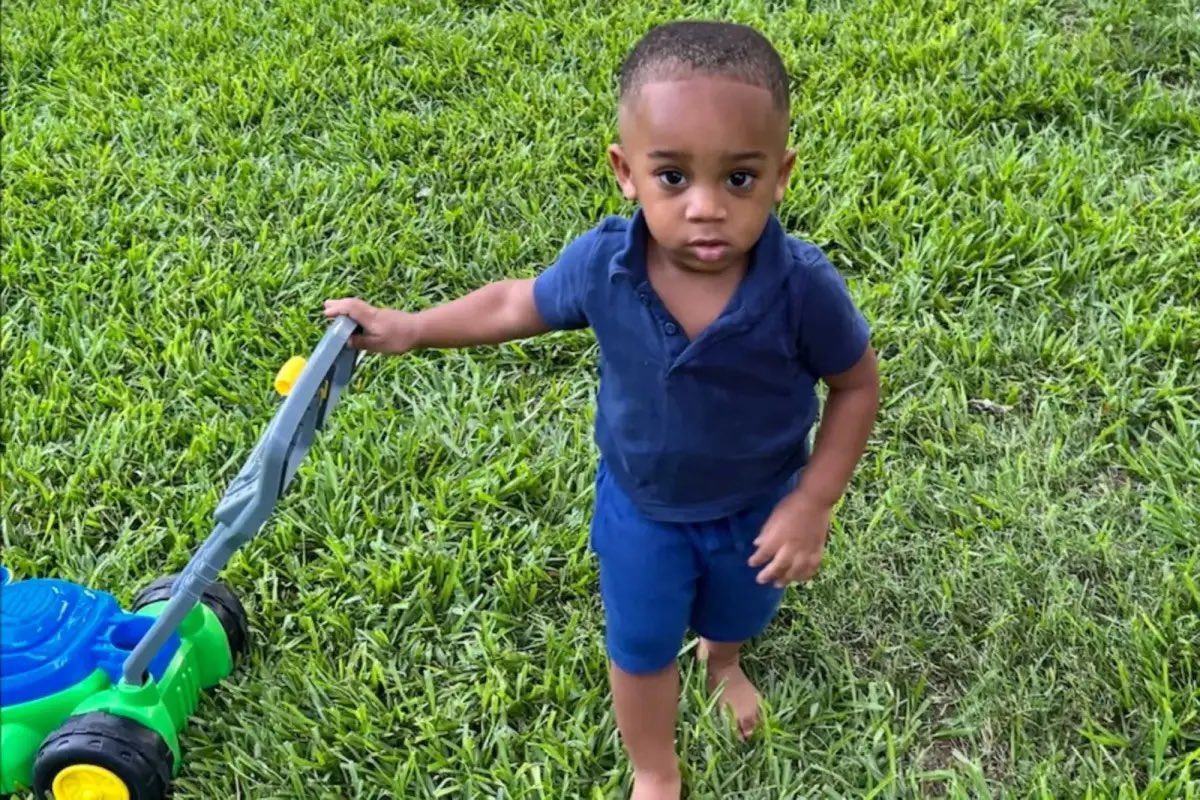
The Mississippi Bureau of Investigation says officers responded on June 14 to a shoplifting call at a Walmart in Senatobia. According to officials, officers encountered two adults allegedly fleeing the store with a child before getting into a vehicle. What happened next is where the story fractures.
Authorities say officers attempted to stop the vehicle and that one officer opened fire when the driver allegedly drove toward them. The child was killed. An adult was critically injured. But the family’s account paints a more chaotic and traumatic sequence, one where a mother says she was inside the vehicle, her baby in her arms, trying to show officers the child was present before shots were fired.
Two narratives now exist in the same parking lot. Only one is supported by video evidence that has not yet been released.
The Evidence That Has Not Been Seen
At the center of the family’s demand is a simple but explosive question: what does the footage show? Body camera video, dash camera recordings, and Walmart surveillance footage are all believed to exist. Yet none have been made public. That absence has turned evidence itself into the most contested part of the case.
Without it, the official version relies heavily on investigative summaries and witness statements. With it, the entire sequence of events could be clarified or fundamentally challenged. For civil rights attorney Ben Crump, who represents the family, that gap is unacceptable in a case involving the death of a child.
“Transparency plus accountability equals trust,” Crump said, calling for the immediate release of all footage.
A Shooting and a Policy Question That Looms Over It
Beyond the emotional devastation, the case now sits inside a broader national debate: when, if ever, is it justified for officers to fire into a moving vehicle? The question matters because it goes to the heart of modern policing standards. Many law-enforcement guidelines caution that shooting at vehicles is highly dangerous and generally discouraged unless there is an immediate, unavoidable threat of death or serious injury.
That policy tension now sits directly over the Mississippi investigation. Officials say the driver allegedly drove toward officers. The family disputes what led to that moment and how quickly deadly force was used. What is not disputed is the outcome: a 1-year-old boy is dead.
A Mother’s Final and First-Hand Memory
Kohen Wiley’s mother, Vellesiya Wiley, has described a moment that now anchors the family’s grief. She says she raised her baby in the vehicle, trying to show officers that a child was inside. Then, she says, she lowered him and heard shots.
“I watched my baby take his first breath, and I watched my baby take his last breath,” she said. Since that moment, her life has narrowed into shock, panic attacks, and a demand for answers that feel increasingly delayed by process and procedure.
Independent Autopsy: A Second Set of Eyes on the Final Moment
The family’s decision to pursue an independent autopsy signals a deeper mistrust of waiting for a single official report to define what happened. In cases involving contested police shootings, independent forensic reviews can examine bullet trajectory, entry and exit wounds, and timing patterns that may support or contradict official narratives.
In this case, those findings could help answer one central question: where exactly was the child when the shot was fired? That answer, if it comes, may not settle the broader debate, but it could determine whether the official version of events holds under scientific scrutiny.
A Community Demanding More Than Patience
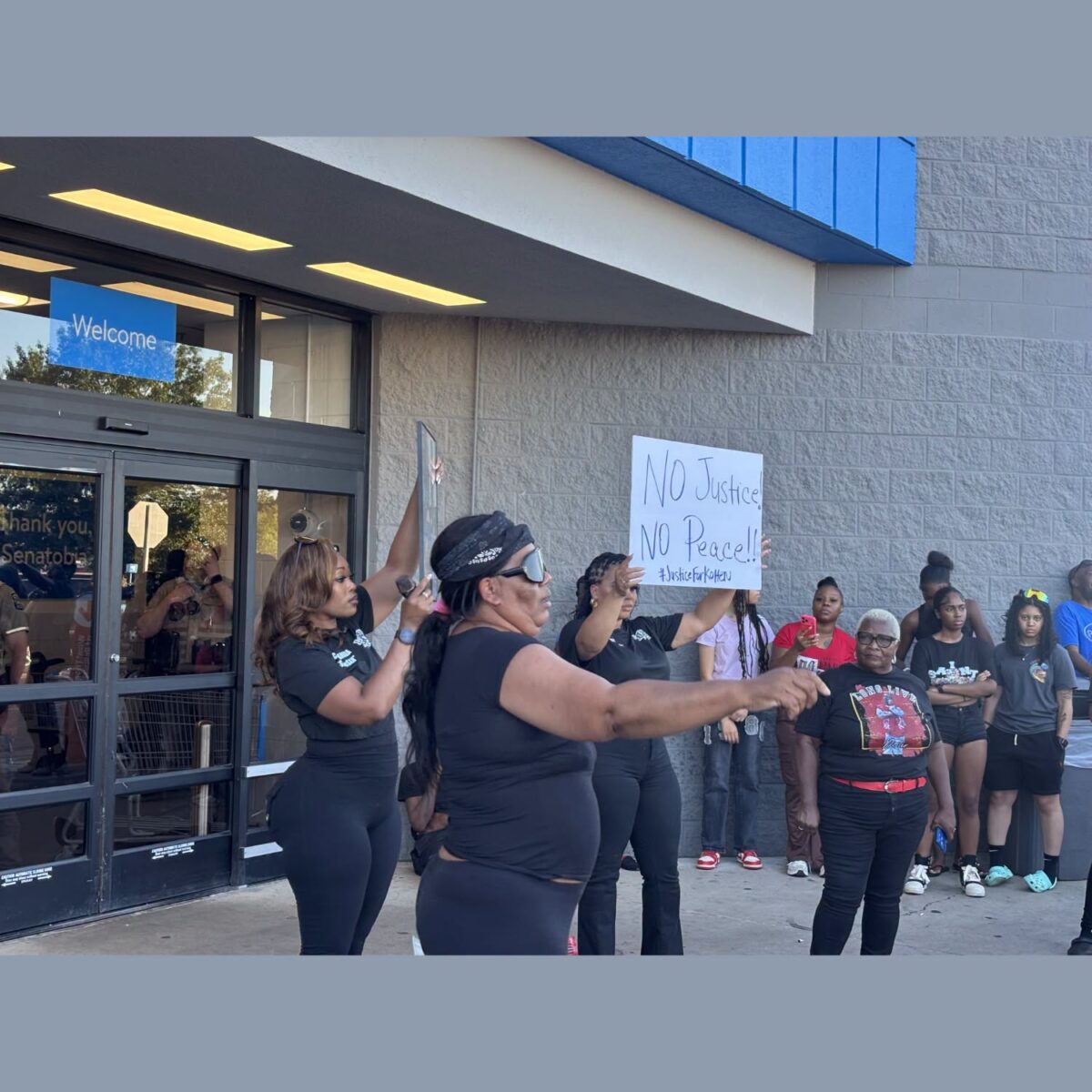
As investigators review evidence and interview witnesses, the Mississippi Bureau of Investigation has urged patience and promised transparency once the case is complete. But in Senatobia, patience has already turned into protest.
Residents have taken to the streets demanding the release of footage and accountability for how a routine retail theft response escalated into a fatal shooting involving a child. Even Walmart, where the incident began, has acknowledged the weight of what happened, saying it is cooperating with investigators.
A Case That Now Carries a Larger Question
The officer involved has been placed on administrative leave while the investigation continues. The case will ultimately be reviewed by the state attorney general’s office. But beyond the legal process, something harder to measure is unfolding: trust.
Trust in the timeline. Trust in the use of force. Trust in whether the full record of events will be seen in public before conclusions are drawn. For Kohen Wiley’s family, the stakes are simple and irreversible. They are not only asking how their child died. They are asking why they are still being asked to wait for the answer.