Michigan Supreme Court Blocks Key Enbridge Line 5 Permit, Deepening Fight Over Great Lakes Oil Pipeline
The future of one of North America’s most controversial oil pipelines has become more uncertain after the Michigan Supreme Court rejected a key permit for Enbridge’s Line 5 tunnel project beneath the Great Lakes, ordering state regulators to reconsider their approval.
The 6-1 ruling does not immediately shut down the 73-year-old pipeline. Still, it creates another major obstacle for Enbridge’s plan to relocate a portion of Line 5 from the bottom of the Straits of Mackinac into an underground tunnel.
The decision has reignited a long-running debate between energy security advocates who say the pipeline is critical to the Midwest’s fuel supply and environmental groups who warn that a spill in the Great Lakes could cause devastating damage.
Line 5 transports petroleum products between Superior, Wisconsin, and Sarnia, Ontario. A 4-mile section crosses the Straits of Mackinac, where Lake Michigan and Lake Huron meet, making it one of the most closely watched energy infrastructure projects in the United States.
Michigan Supreme Court Questions Enbridge Pipeline Tunnel Approval
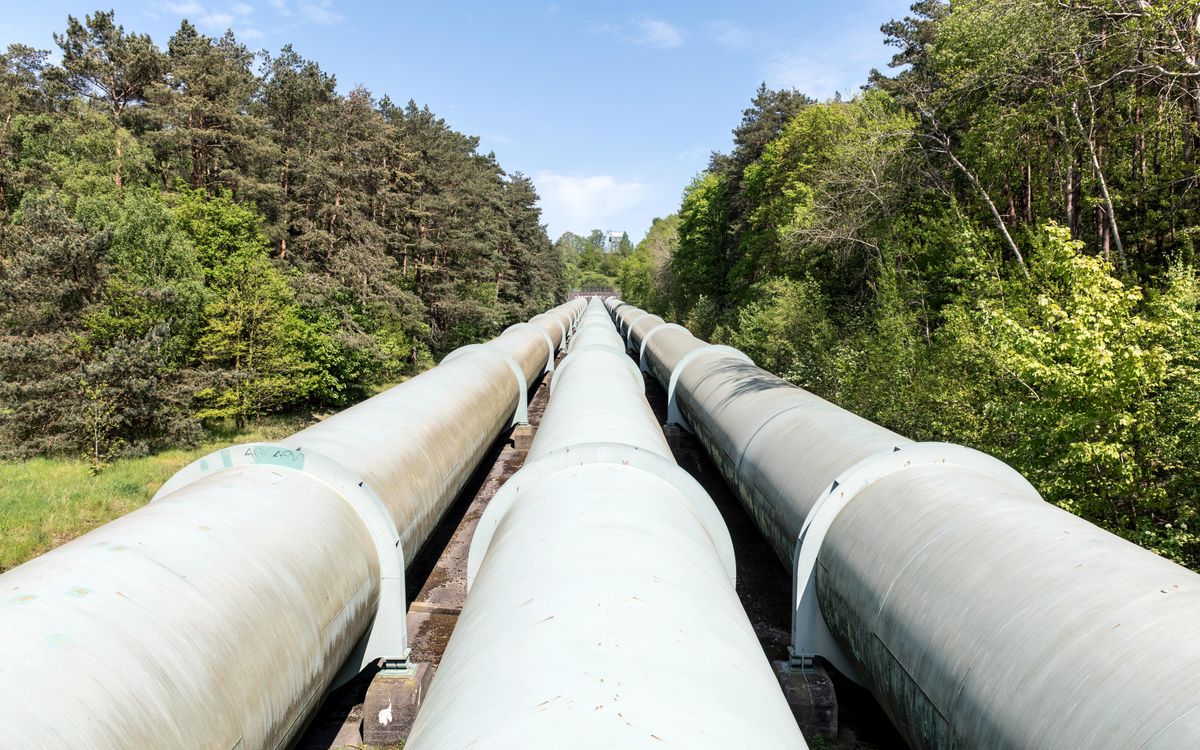
The Michigan Public Service Commission approved Enbridge’s tunnel permit in 2023, allowing the company to move forward with plans to construct a large underground structure that would house the pipeline beneath the lakebed.
Several environmental organizations and four Michigan tribal nations challenged that approval, arguing that regulators failed to consider the project’s long-term consequences fully.
In its ruling, the Michigan Supreme Court said regulators did not adequately examine whether the tunnel would extend the operating life of Line 5 and potentially increase environmental risks.
The court also found that the Public Service Commission did not properly evaluate alternatives to the pipeline, including transporting oil by truck or rail.
Another issue raised by the court involved public trust protections connected to the Great Lakes. The justices said regulators should have considered how construction could affect activities such as fishing, boating and other public uses of the waterways. The decision sends the issue back to state regulators for further review.
What Is Enbridge Line 5 and Why Is It Controversial?
Enbridge’s Line 5 has operated since 1953 and plays a major role in supplying energy across parts of the Midwest and Canada. The pipeline carries more than half a million barrels of oil products daily, according to Enbridge.
Supporters say shutting down Line 5 could disrupt fuel supplies, increase transportation costs and create economic challenges for communities that depend on reliable energy access. Enbridge has argued that replacing the existing underwater section with a tunnel would improve safety by protecting the pipeline from outside damage, including incidents involving ship anchors.
The company proposed the tunnel project nearly a decade ago after concerns increased over the risks of maintaining a pipeline directly beneath the Great Lakes. Enbridge spokesman Ryan Duffy said the company was disappointed by the court decision and argued that the tunnel would provide stronger environmental protection while maintaining energy reliability.
However, opponents say the tunnel does not solve the larger issue of transporting oil through one of the world’s largest freshwater ecosystems.
Environmental Groups Warn of Great Lakes Oil Spill Risks
Environmental advocates have spent years fighting Line 5, arguing that a spill in the Straits of Mackinac could create a major ecological disaster.
The location is especially sensitive because the Straits connect two Great Lakes and support important ecosystems, fisheries and tourism industries. Critics say even a modernized pipeline would continue creating a risk in an area where cleanup efforts could be extremely difficult.
Indigenous groups have also raised concerns about the cultural importance of the area. Anishinaabe tribes consider the Straits of Mackinac a significant site, and opponents argue that years of tunnel construction could affect natural resources and traditional practices.
David Gover of the Native American Rights Fund said opponents believe transporting large amounts of oil through the Great Lakes remains dangerous regardless of whether the pipeline sits underwater or inside a tunnel.
Enbridge Tunnel Project Faces New Delays
The Supreme Court decision creates another delay for a project that has already been under review for years. Enbridge has said the tunnel would take several years to complete and would represent a major investment in protecting the pipeline system.
The company maintains that replacing the existing underwater section is a safer alternative than continuing to operate the current pipeline route. Opponents, however, argue that the safest option is removing Line 5 from the Straits entirely.
Michigan Gov. Gretchen Whitmer and other state officials have supported efforts to shut down the section of pipeline crossing the waterway. Since 2020, state officials have pursued legal action seeking to revoke Enbridge’s authority to operate the pipeline beneath the Straits of Mackinac.
The disagreement reflects a broader national debate over energy infrastructure: whether aging pipelines should be upgraded and maintained or replaced with different energy strategies.
The Future of Line 5 Remains Uncertain
The Michigan Supreme Court ruling does not end the Line 5 dispute. Instead, it sends regulators back to the drawing board and requires a deeper review of the project’s potential impacts.
The next steps could determine whether Enbridge receives approval after additional environmental analysis or whether the tunnel plan faces further restrictions.
For Michigan communities, businesses and environmental groups, the decision represents a turning point in a debate that has lasted for years. The outcome could influence how governments approach future energy projects near sensitive natural resources.
The battle over Line 5 is ultimately about more than one pipeline. It reflects a larger question facing the country: how to balance energy needs, economic stability and protection of some of America’s most valuable environmental resources.