Are You Throwing Money Away? 4 Food Storage Mistakes to Avoid
Grocery spending does not end when you leave the checkout line. What happens after you bring your groceries home can determine how much of what you bought you actually use.
A forgotten container of leftovers, berries that spoil before breakfast, bread that becomes stale too quickly, or food damaged by poor freezer packaging can all turn a grocery purchase into unnecessary waste. None of these problems necessarily requires an expensive solution. In many cases, a few simple changes to how households store food can help them get more use from the groceries they already buy.
You Put Older Food Behind Newer Groceries
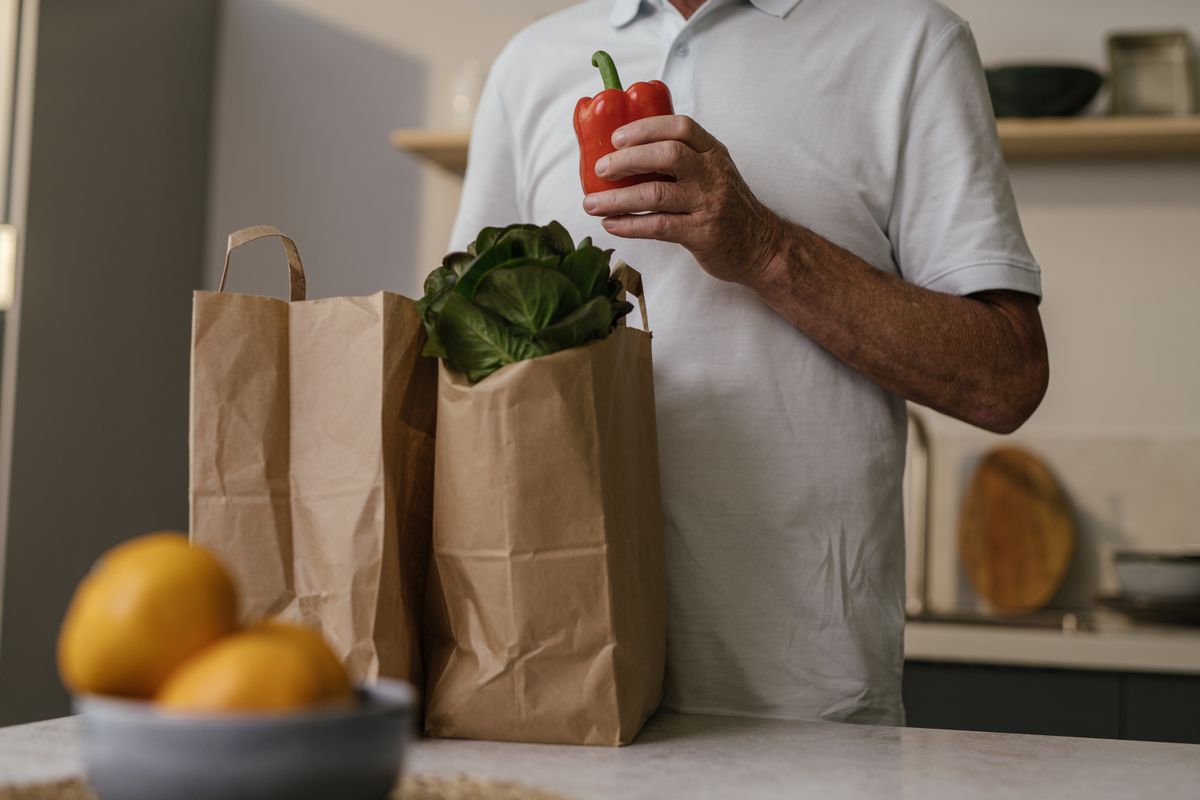
It is easy to unpack a grocery bag and place everything wherever there is room in the refrigerator. The problem is that newer purchases can end up in front of food that needs to be used sooner. A container of cooked food may disappear behind a new carton of yogurt. Older vegetables can get buried underneath newer produce. By the time someone discovers them, the food may have lost quality or may have been forgotten. This is less about refrigerator cleanliness and more about visibility. Food that’s hard to see is easier to overlook.
The solution is simple: rotate groceries when you put new food away. Move older items toward the front and place newer purchases behind them. When practical, keep leftovers in clear, easy-to see containers and label them with dates so everyone in the household knows what to use first. This habit is especially useful for leftovers, cooked vegetables, soups, sauces, casseroles, and other prepared foods. The financial connection is straightforward. When usable food gets forgotten and eventually thrown away, the household has to buy replacements to meet the same need.
Related Post: 4 Ways Your “Food Storage Routine” Is Slowly Emptying Your Wallet
You Store Produce Without Considering Its Storage Needs
Not all fruits and vegetables should be treated the same way. Some produce is sensitive to moisture, some is affected by ethylene, and others keep better under different temperature or humidity conditions. For example, ethylene-producing fruits can affect nearby ethylene-sensitive produce. Apples, bananas, avocados, and tomatoes are among the foods commonly discussed in relation to ethylene. Other produce, including some leafy vegetables, can be sensitive to the gas. That doesn’t mean every fruit and vegetable needs its own container. The practical lesson is to understand which combinations matter and avoid assuming that the same storage method works for everything.
Moisture is another consideration. Berries, leafy greens, herbs, mushrooms, cucumbers, and other fresh produce can deteriorate when stored under unsuitable conditions. Excess moisture can reduce quality, while inadequate protection can cause some foods to dry out or lose freshness. A useful routine is to quickly inspect produce before storing it. Remove damaged pieces when appropriate, use suitable containers or bags, and organize the refrigerator so foods that need attention soon are easy to spot. Potatoes and onions also deserve attention because people often store them together, even though they have different storage needs. The money saving principle is simple: fresh produce is valuable only if you actually get to eat it. When storage conditions shorten its shelf life, replacing it means paying twice for food you could have used once.
You Let Opened and Frozen Foods Sit Exposed to Air
Packaging matters, particularly once food has been opened or moved into the freezer. An opened package that is loosely closed can lose freshness. Food stored in unsuitable packaging can also be exposed to excess air and moisture. In the freezer, poor packaging can contribute to freezer burn and quality deterioration. Freezer burn does not automatically mean food is unsafe, but it can damage the food’s quality and make it less appealing to eat. If a household repeatedly finds frozen food dried out, heavily affected by freezer burn, or difficult to identify, some of those groceries may eventually be discarded. The answer does not require filling the kitchen with specialized storage gadgets. Use suitable airtight containers, freezer bags, or other appropriate packaging when storing food.
Remove excess air from freezer packaging where practical, and avoid leaving opened packages loosely sealed. Portioning food before freezing can also make it easier to use. Instead of freezing a large amount of leftovers in one container, divide it into practical portions if you expect to use them separately. Label frozen food with its contents and the date. A clearly labeled package is much more useful than an unidentified block of frozen food that gets pushed to the back of the freezer. The financial benefit comes from protecting food you have already purchased. Better packaging can help preserve quality and make frozen food easier to find and use before you decide to replace it.
You Ignore Your Refrigerator’s Organization and Temperature
A refrigerator is not simply a large cold box where any food can go. Temperature and organization both matter. Households can benefit from checking their refrigerator temperature instead of assuming it’s set correctly. Food placement also deserves some thought. Different areas of a refrigerator can have different conditions, while crisper drawers are designed to help manage produce. Overcrowding can make organization harder and can keep people from seeing what they already have. At the same time, an almost empty refrigerator can make it easier for items to become scattered and forgotten.
A better routine is to keep the refrigerator organized enough that frequently used foods and older items are easy to identify. Use appropriate drawers and storage areas, and regularly check what needs to be used soon. The goal is not to create a picture-perfect refrigerator. It is to make the contents visible and manageable. This can reduce a common form of grocery waste: buying something you already have because you cannot find it, then discovering the older item later. It can also reduce the chance that leftovers and produce sit untouched until they are no longer worth using.
A Few Small Changes Can Protect Your Grocery Budget
Food storage may not seem like a major part of grocery budgeting, but it determines whether the food you buy stays useful long enough to eat. You do not need an expensive collection of containers or a completely new kitchen routine. Start with four simple habits: rotate older groceries forward, store produce according to its needs, protect opened and frozen foods from unnecessary air exposure, and keep your refrigerator organized and properly managed. The main goal isn’t to make food last indefinitely. It is to make it easier to see, store, remember, and use the food you have already paid for.
When better storage helps even a small amount of food avoid unnecessary disposal, the household gets more value from the same grocery trip. Over time, that can make food storage a useful part of managing the grocery budget, without requiring another trip to the store or another purchase. I kept the article free of em dashes and avoided inventing statistics, prices, savings amounts, or specific storage times that were not supplied in the material. The uploaded brief specifically calls for that distinction between spoilage, quality loss, forgotten food, and unnecessary disposal.