Goodbye to the 68°F Rule? Here’s What Experts Really Recommend for Your Home This Winter
Every winter, American homeowners face the same familiar question: What temperature should the thermostat be set to? For years, 68°F has been the number repeated in energy-saving advice. It is often presented as the ideal balance between keeping a home comfortable and avoiding unnecessarily high heating bills.
But is 68°F really the right setting for every household?
Heating professionals increasingly emphasize that no single temperature works perfectly for every home. Your insulation, heating system, daily routine, and personal comfort all influence how warm your living space should be.
The good news is that homeowners don’t necessarily need to keep their thermostats at one fixed setting all winter. Practical ways exist to keep your home comfortable while managing energy use.
Here is what experts recommend and what American households should consider before adjusting their thermostats this winter.
The 68°F Recommendation Is Still a Useful Starting Point
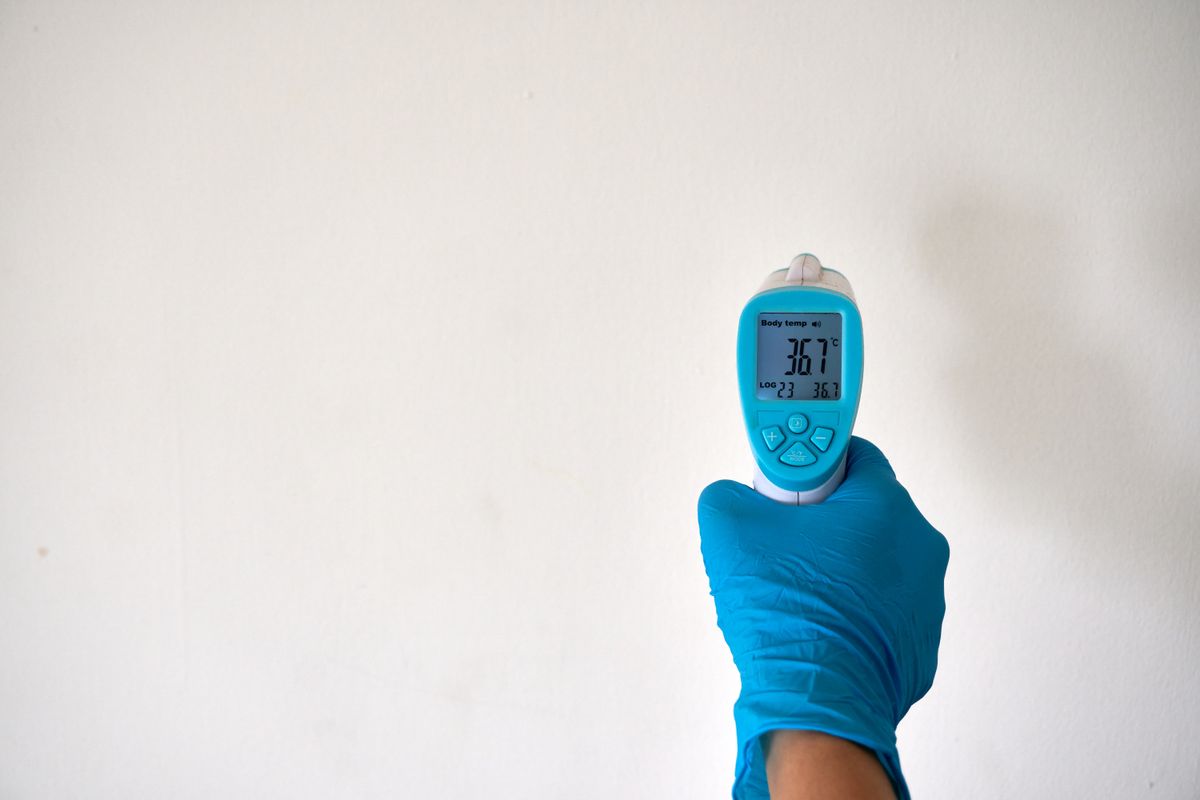
Despite headlines suggesting that the traditional 68°F rule is disappearing, it remains an important starting point for winter heating.
The U.S. Department of Energy recommends beginning around 68–70°F when household members are awake and at home. This range offers a practical starting point for balancing indoor comfort and heating expenses.
However, it is not a compulsory temperature. Some households may feel comfortable at 68°F, while others may prefer a slightly warmer setting depending on their circumstances.
The key point is that homeowners should not assume raising the thermostat by several degrees automatically makes their heating system more efficient.
If 68°F feels comfortable, there’s little reason to turn the heat higher just because the weather outside has gotten colder.
Related: American Cities to Avoid for Safety Reasons
Try Lowering the Temperature When Everyone Is Asleep
One of the most useful energy-saving adjustments involves changing the thermostat at night.
When household members are asleep, some families prefer a cooler indoor environment. Lowering the thermostat during these hours can also reduce heating needs.
The Department of Energy says homeowners may save as much as 10% annually on heating and cooling by setting their thermostats back 7–10°F for at least eight hours a day.
A programmable thermostat can make this easier by automatically adjusting the temperature according to your schedule.
However, the appropriate nighttime setting depends on the people living in the home and the type of heating system being used. Households should not lower temperatures to levels that compromise comfort or safety.
Your Home May Need a Different Setting When Nobody Is Around
There is little reason to heat an empty home to the same temperature as an occupied one, as long as the adjustment fits the property and heating system.
If everyone leaves for work or school during the day, a programmable thermostat can reduce heating while the house is empty.
This helps avoid maintaining a higher indoor temperature when nobody is benefiting from it.
For homeowners who regularly leave their properties for several hours, setting a heating schedule can be more convenient than manually adjusting the thermostat every morning.
However, don’t turn the heat off without considering freezing conditions, plumbing, insulation, and equipment requirements. Some homes need a minimum temperature to help protect pipes and the building itself.
Related: Home Improvement Loans: Get the Funds You Need to Make Your Dream Home a Reality
A Poorly Insulated Home Can Feel Cold Even at 68°F
Have you ever noticed that two houses with identical thermostat settings can feel completely different?
One reason is insulation.
A home with well-insulated walls, ceilings, and floors may retain warmth more effectively than a property with substantial air leaks. Drafts around doors and windows can also make rooms feel colder, even when the thermostat displays a seemingly comfortable temperature.
That is why simply raising the thermostat isn’t always the best solution.
Homeowners can improve comfort by:
- Sealing gaps around windows and exterior doors.
- Adding weatherstripping where necessary.
- Closing curtains at night to help reduce heat loss.
- Checking attic and wall insulation.
- Keeping heating vents unobstructed.
Addressing these issues can make a home feel more comfortable without constantly turning up the heat.
Not Every Heating System Responds the Same Way
Another reason there is no universal winter thermostat setting is that American homes use different heating technologies.
Some properties rely on traditional gas furnaces, while others use electric resistance heating, boilers, or heat pumps.
These systems don’t always respond the same way to temperature adjustments.
For example, certain heat pumps may operate less efficiently when homeowners make large temperature setbacks and then require the system to recover quickly. Some systems also use auxiliary heating when temperatures are raised substantially.
This means homeowners should check the recommendations for their particular equipment rather than automatically copying a thermostat schedule designed for another type of heating system.
If you have a heat pump, consult the manufacturer’s instructions or an HVAC professional before making substantial temperature changes.
Older Adults and Young Children May Need Extra Consideration
A temperature that feels comfortable to one person may feel too cold to another.
This is particularly important in households with older adults and young children. Individual comfort and temperature needs vary, so don’t follow energy-saving recommendations blindly.
The National Institute on Aging advises keeping indoor temperatures at least 68°F for older adults during cold weather. Its guidance notes that even relatively cool indoor conditions can present problems for this group.
The CDC also advises families to make sure babies and older adults stay warm during winter storms.
For households with vulnerable family members, maintaining an appropriately warm environment should take priority over achieving the lowest possible heating bill.
Related: 8 ways ’80s kids enjoyed freedom that are simply unthinkable now
A Smart Thermostat Can Help You Avoid Unnecessary Heating
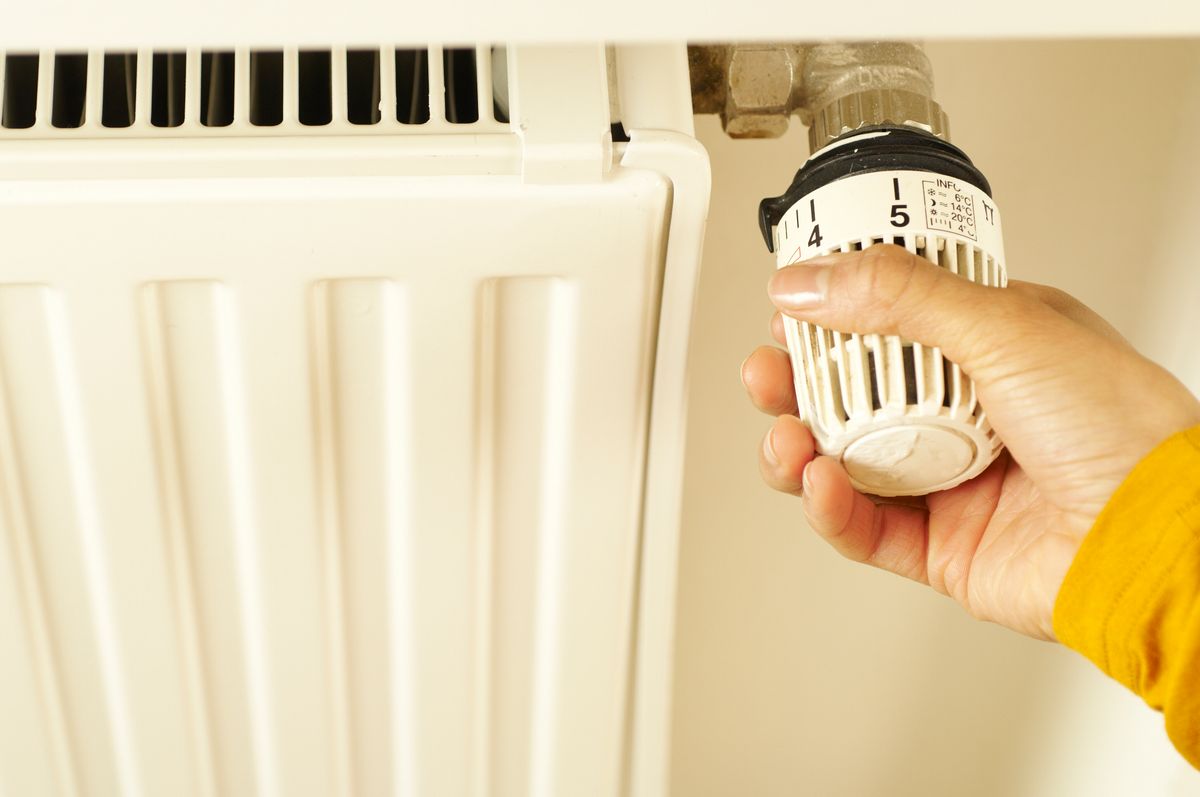
If you frequently forget to adjust your thermostat, a programmable or smart model may be worth considering.
These devices let homeowners set heating schedules based on when people are normally home, asleep, or away.
Some smart thermostats also offer remote controls, allowing users to adjust settings through a mobile application.
The biggest advantage is convenience. Instead of constantly remembering to turn the temperature down before leaving, homeowners can automate adjustments.
However, an expensive smart thermostat isn’t essential for every household. A basic programmable thermostat can also provide scheduling benefits, as long as it’s compatible with the heating system.
Small Changes Around the House Can Make a Difference
Thermostat settings are only one part of keeping a home comfortable during winter.
Simple household habits can also help reduce heat loss and make better use of the warmth already inside.
For example, opening curtains during sunny daytime hours lets sunlight warm rooms naturally. Closing them after sunset can help reduce heat loss through windows.
Homeowners should also make sure furniture is not blocking heating vents and that fireplace dampers are closed when fireplaces are not being used.
Regularly checking heating equipment and replacing or cleaning filters according to manufacturer instructions can also help maintain proper operation.
These small adjustments may seem insignificant individually, but together they can improve how comfortably a home retains heat.
Related: 10 Things That Squeak in Your Home (and How to Fix Them)
So, What Temperature Should You Actually Keep Your Home This Winter?
The traditional 68°F recommendation is not necessarily outdated. It remains a useful starting point for many American households, but it should not be treated as a universal rule.
For people who are home and awake, the Department of Energy suggests starting around 68–70°F and adjusting according to comfort. Lower settings during sleeping hours or periods when nobody is home may help reduce energy consumption, provided the household and heating system can safely accommodate them.
The most important thing is to understand your home rather than blindly follow a number.
Check your insulation, consider your heating system, and pay attention to the needs of everyone living under your roof.
This winter, the smartest thermostat setting may not be about choosing one perfect number. It is about knowing when your home needs more heat and when it does not.