Americans Are Ditching a Longtime Weekly Tradition as Restaurant Dining Hits a Record Low
For many American households, eating out has traditionally been part of the weekly routine. It might mean Sunday breakfast at a neighborhood diner, Friday night pizza with the children, or meeting friends for dinner after a busy week.
For some families, it is less about the food and more about having a reason to leave the house, spend time together, and take a break from cooking.
But a new survey suggests that this familiar routine is becoming less common. Americans still visit restaurants, but fewer do so every week. What was once an ordinary part of the household schedule may increasingly be becoming an occasional treat.
According to a 2026 Gallup survey, just 39% of American adults say they eat at a restaurant at least once a week. That is down from 53% in 2019 and 47% in 2022.
The finding raises an interesting question: Are American families gradually changing their relationship with restaurant dining?
Weekly Restaurant Visits Have Reached a New Low
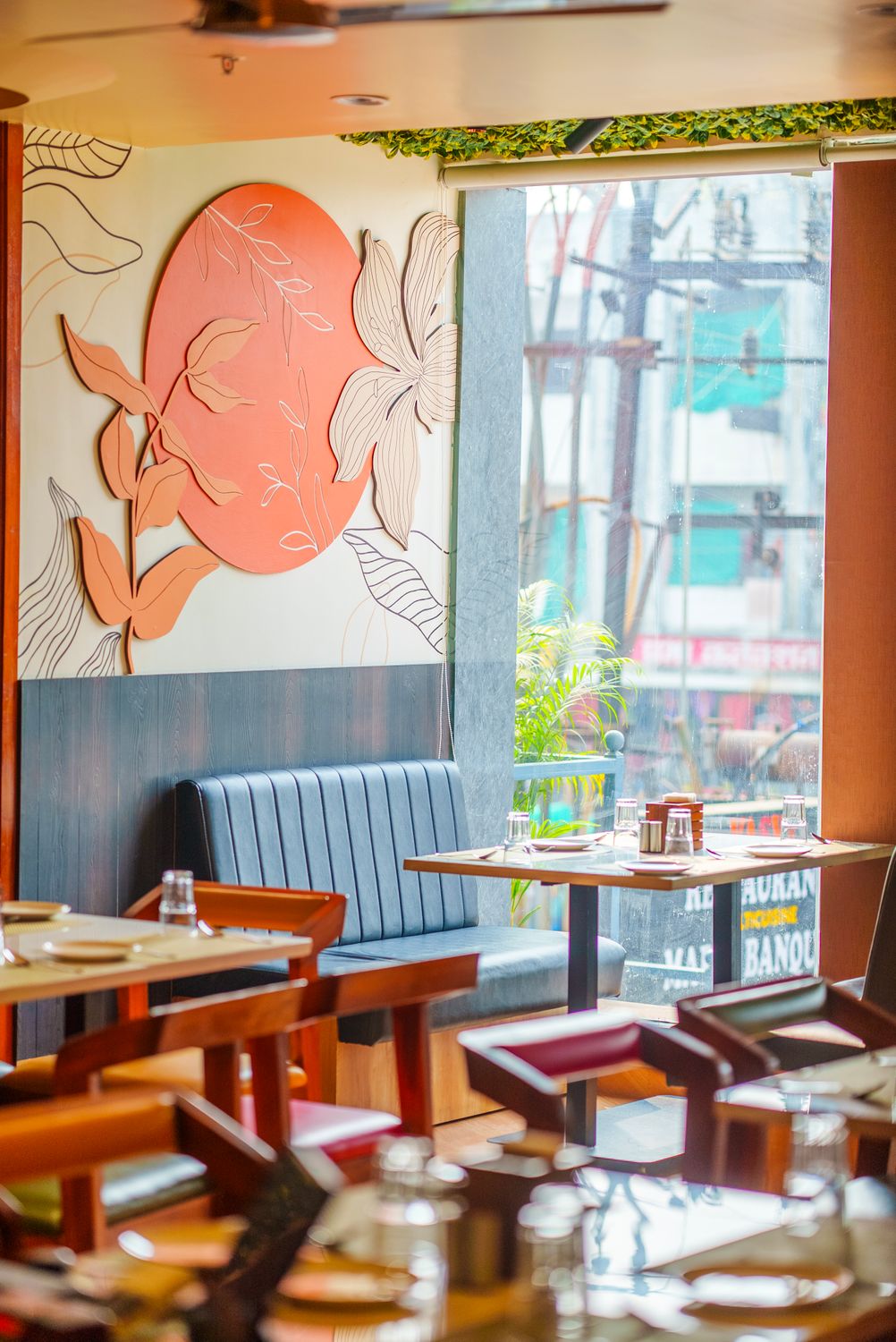
The most striking finding is the decline in weekly restaurant visits.
Gallup’s July 1–19, 2026, survey found that only 39% of adults eat at restaurants at least once a week. Before the pandemic, the figure stood at 53%.
The percentage increased to 47% in 2022 before declining again.
This does not mean Americans have stopped going to restaurants. Rather, fewer are making restaurant visits a weekly habit.
The distinction matters. Someone who visits a restaurant twice a month still enjoys dining out, but their household routine looks very different from someone who goes every Friday.
For restaurants, that difference can mean fewer regular visits from customers who previously made dining out part of their weekly schedule.
Related: 10 foods that saw a significant price increase this year
More Americans Are Saving Restaurant Visits for Special Occasions
Another interesting finding concerns people who dine out only a few times a year.
Gallup found that this group increased from 10% in 2019 to 20% in 2026.
That suggests a shift away from frequent restaurant visits toward less regular outings.
Consider a household that once ordered dinner at a restaurant every weekend. Today, the same family might reserve that experience for a birthday, anniversary, holiday, or another special occasion.
The survey does not establish why individual households have made this change. However, it shows that occasional dining has become more common than it was before the pandemic.
For some families, the restaurant experience may now need to feel more special to justify making the trip.
Takeout Is Not Replacing the Lost Restaurant Routine
One might assume that Americans who are eating out less frequently are simply ordering more food to take home.
However, Gallup’s findings do not show a major increase in weekly takeout orders.
In 2026, 31% of adults said they ordered takeout at least once a week. That is the same percentage recorded in 2018.
In 2021, weekly takeout ordering reached 39%, reflecting the different circumstances of the pandemic period.
The latest findings suggest that takeout has not maintained that higher frequency.
This matters because ordering food at home and visiting a restaurant are not necessarily interchangeable experiences. One may be about convenience, while the other can involve meeting friends, celebrating an occasion, or spending time outside the house.
For households that have reduced both activities, cooking at home may be taking a larger role in their regular meal routines.
Related: 10 American Things Americans Didn’t Know Were Exclusively American
Middle- and Higher-Income Americans Are Also Dining Out Less
It’s easy to assume the decline is happening only among households with limited budgets.
But Gallup’s figures show a more complicated picture.
In 2026, weekly restaurant dining stood at 32% among lower-income adults, 38% among middle-income adults, and 48% among upper-income adults.
The middle- and upper-income figures have fallen from their 2022 levels of 46% and 60%, respectively.
This detail matters because it suggests the decline is not limited to one income group.
However, the figures do not explain exactly why people in different income categories are changing their habits. Financial considerations may matter to some households, but the survey does not establish a single explanation for the decline.
Restaurant Meals May Be Facing More Competition From Household Budgets
Although Gallup does not identify one definitive cause, the cost of dining out is an important factor in household spending.
A restaurant meal can involve more than the price printed beside an item on the menu. Families may also consider drinks, taxes, tips, transportation, and the cost of feeding several people.
For a household with two adults and children, even an ordinary dinner can become a significant expense.
Imagine a family that used to visit a restaurant every Friday. If they begin questioning whether the outing fits comfortably into their weekly budget, they may decide to prepare dinner at home instead.
That does not necessarily mean they dislike restaurants. It may simply mean they are becoming more selective about when they spend money on dining out.
Still, price alone should not be presented as the proven explanation for the national decline. Gallup notes that other factors may also be involved.
Food-Safety Concerns May Also Have Influenced the Findings
There is another detail worth considering.
Gallup conducted its July 2026 survey during a major Cyclospora outbreak in which produce served at some restaurants was identified as a potential source of illness.
The organization noted that the timing may have influenced how some respondents viewed restaurant dining.
A separate September Gallup survey found that 73% of Americans had avoided certain foods during the previous year because of a recall or advisory.
These findings provide context for the changing dining habits, but they do not prove that the outbreak caused people to stop visiting restaurants weekly.
It is important to distinguish between a possible influence and an established explanation.
The Family Restaurant Tradition May Be Changing Rather Than Disappearing
For generations, restaurants have been places where families celebrate milestones, couples spend time together, and friends catch up over a meal.
That social role hasn’t necessarily disappeared just because fewer people visit restaurants every week.
Some households may now prefer one carefully planned restaurant outing each month instead of several casual visits. Others may continue dining out regularly but choose different restaurants or occasions.
The Gallup findings do not suggest that Americans have abandoned restaurants altogether. Only 4% of respondents said they never eat at a restaurant.
What appears to be changing is how often they do it.
A weekly dinner out may no longer be an automatic part of many households’ schedules, as it was in 2019.
Related: 6 Family Reunion Games Everyone Will Want to Play
Are Americans Losing the Habit of Eating Out Together?

The latest figures offer a snapshot of changing American routines. Weekly restaurant dining has fallen to its lowest level in Gallup’s tracking, while the proportion of people dining out only a few times a year has doubled since 2019.
Yet restaurants remain part of American life. Birthdays, anniversaries, family gatherings, and casual meals with friends still give people reasons to go out.
Perhaps the bigger change is that households are becoming more deliberate about when they choose to dine out.