8 Signs You May Be Lower-Middle Class in America, Even If You Feel Financially Comfortable
You have a steady job, pay your bills, and occasionally treat yourself to a nice dinner. You might even own a home or drive a reasonably new car. On the surface, you’re doing fine financially.
But many Americans are discovering something: A decent income doesn’t always mean the financial security traditionally associated with the middle class.
According to the U.S. Census Bureau, median household income reached $87,460 in 2025, up 2.6% from the previous year. Yet millions of Americans still balance everyday expenses with savings, debt payments, and long-term financial goals.
The Pew Research Center defines middle-income households as those earning between two-thirds and twice the national median income, adjusted for household size. Lower-middle class is less precisely defined and generally refers to households near the lower end of that middle-income range.
Income alone doesn’t tell the entire story, and no single habit proves someone’s social class. Still, these eight financial patterns can help explain what life near the lower end of America’s middle class often looks like.
You Earn a Decent Salary, but There’s Little Money Left After Bills
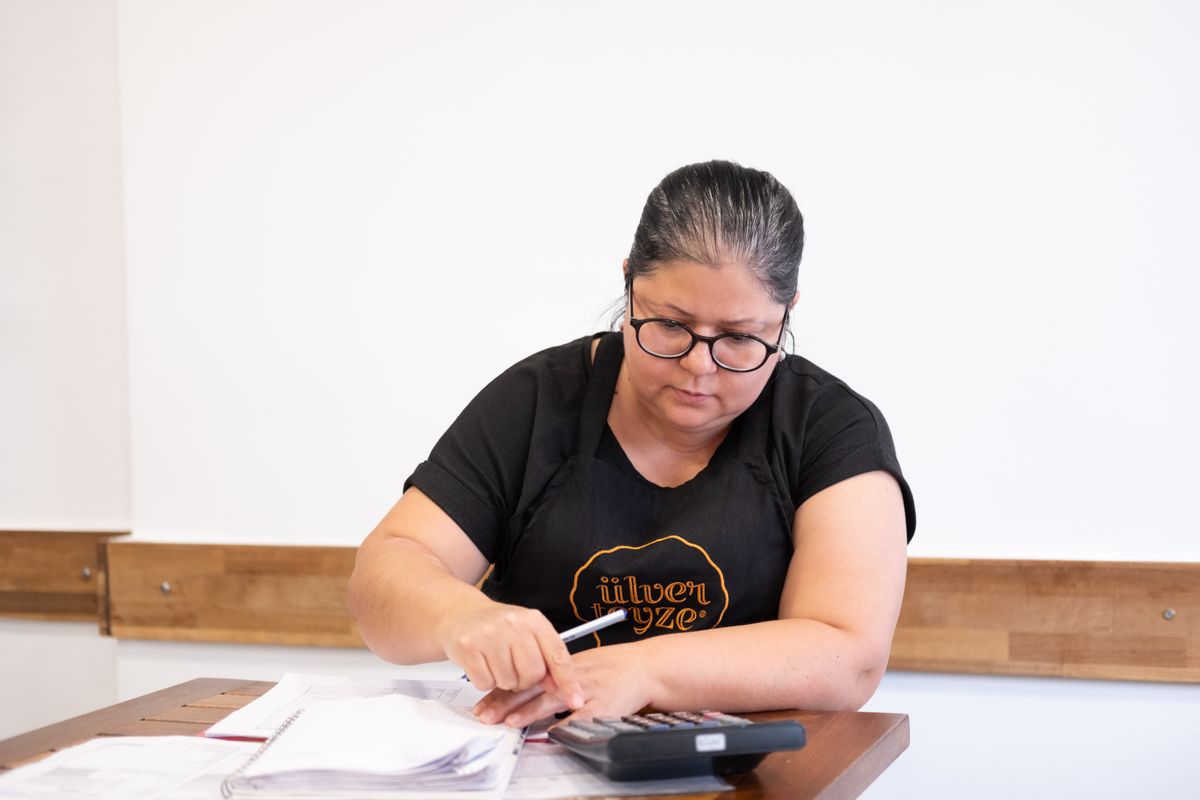
One of the most recognizable financial pressures is earning enough to cover basic expenses while struggling to build meaningful savings.
Your paycheck arrives, but rent or mortgage payments, groceries, transportation, utilities, and other commitments quickly consume most of it.
You aren’t necessarily behind on bills. You may even have a little money available for entertainment or occasional purchases.
The problem is that your income offers limited flexibility.
The Federal Reserve’s 2025 Survey of Household Economics and Decisionmaking found that 63% of adults could cover a hypothetical $400 emergency expense using cash or its equivalent.
That leaves a substantial share of Americans who would need another approach.
For households near the lower end of the middle-income range, the challenge may not be earning enough to survive. It may be having sufficient money left to make lasting financial progress.
An Unexpected Expense Can Disrupt Your Entire Budget
A broken washing machine, unexpected car repair, or emergency home maintenance bill can quickly change your monthly spending plans.
You might have enough savings to handle a minor problem, but a larger expense could force you to use a credit card or delay another purchase.
That uncertainty can make everyday financial decisions more complicated than they appear.
The Federal Reserve reported that 55% of adults had savings sufficient to cover three months of expenses in 2025.
Its research also found that 12% of adults couldn’t cover a hypothetical $400 emergency expense through any means available to them.
These difficulties affect people across income groups, so you can’t identify someone as lower-middle class based on them alone.
However, limited emergency savings can reveal how vulnerable an otherwise stable household is when an unexpected expense hits.
Related:10 Luxuries the Middle Class Can Afford That Poverty Makes Nearly Impossible
You Think Carefully Before Making Ordinary Purchases
For some households, shopping is less about what looks appealing and more about what makes financial sense.
You might compare grocery prices, delay replacing furniture, wait for seasonal promotions, or reconsider whether you need another monthly subscription.
A family dinner at a restaurant may be something you plan rather than an everyday expense.
This doesn’t automatically mean you’re struggling financially. Plenty of wealthy households practice careful spending.
However, there’s an important difference between being frugal by choice and needing to monitor nearly every purchase to remain within your budget.
The Federal Reserve’s 2024 household survey found that 79% of adults had adjusted their behavior in response to higher prices.
Spending changes were among the most common responses.
For households with limited disposable income, comparison shopping is often about preserving financial stability rather than simply finding a bargain.
Homeownership Feels Possible, but Still Difficult to Afford
Owning a home has traditionally been associated with middle-class financial stability.
However, someone can have a respectable salary and still struggle to afford a property in their preferred neighborhood.
Saving for a down payment may require several years of careful budgeting. Even after purchasing a home, mortgage payments, taxes, insurance, and maintenance can consume a substantial share of household income.
Renters face similar challenges when housing expenses leave little money for other priorities.
This is where location matters most.
Pew Research Center adjusts household incomes for regional living costs when comparing income groups across metropolitan areas.
A household earning what seems like a comfortable salary in one city may face considerably greater financial pressure in a more expensive region.
Homeownership alone doesn’t determine economic class. The relationship between income, housing costs, and remaining financial resources offers a more useful perspective.
Related:The 6 Money Traps Keeping the Middle Class From Building Real Wealth
You Have Some Savings, but Retirement Still Feels Uncertain
Another potential sign of limited financial security is setting aside money for emergencies while still worrying about long-term goals.
You may contribute to a workplace retirement account, but not as much as you would like.
Perhaps you occasionally reduce contributions to cover unexpected bills or major household expenses.
The challenge isn’t necessarily a lack of financial discipline. Immediate financial responsibilities compete with money intended for the future.
According to the Federal Reserve’s 2024 household survey, only 35% of non-retired adults believed their retirement savings were on track.
The remaining respondents either expressed uncertainty or believed they were falling behind.
Retirement preparedness varies considerably with age and career stage. A younger worker with modest retirement savings shouldn’t automatically be compared with someone approaching retirement.
Still, consistently struggling to save for the future can indicate that a household has limited financial breathing room.
Vacations and Major Purchases Require Months of Planning
A weekend getaway, replacement appliance, or family vacation might be entirely possible, but rarely spontaneous.
Instead of booking a trip whenever you feel like traveling, you may need to save gradually, compare accommodation prices, or wait until other financial commitments are settled.
The same applies to buying a vehicle, upgrading electronics, or replacing household furniture.
Some purchases require careful timing because spending too much at once could disrupt your budget.
For financially secure households, planning can be a matter of preference. For households with tighter finances, planning may be necessary to avoid taking on additional debt.
Remember that expensive vacations and luxury purchases are unreliable indicators of wealth.
Some households finance them through borrowing, while others with substantial savings deliberately avoid unnecessary spending.
The more revealing question is whether occasional purchases threaten the household’s ability to cover regular expenses and maintain savings.
You Depend Heavily on Having a Steady Paycheck
Job stability matters to almost everyone, but it becomes especially important when most household expenses depend on regular employment income.
A temporary reduction in working hours or an unexpected job loss could require immediate financial adjustments.
Even with a stable career, losing that income can raise understandable concerns.
The Federal Reserve’s 2024 survey found that 30% of adults could not cover three months of expenses through savings, borrowing, selling assets, or other available means if they lost their primary income.
That figure highlights how challenging an extended income interruption can be.
Households near the lower end of the middle-income range may earn enough to maintain their standard of living when employed but lack the reserves to sustain it during a prolonged interruption.
The distinction between earning a reasonable salary and having lasting financial security becomes particularly clear in these situations.
You Feel Financially Stable, but Not Quite Secure
Perhaps the most subtle pattern is the feeling that you’re doing reasonably well without being confident about the future.
Your household can afford its usual expenses. You might enjoy occasional entertainment, maintain reliable transportation, and purchase small comforts without much difficulty.
Yet a major financial setback could change everything.
You may feel too financially comfortable to describe yourself as struggling, but too financially constrained to consider yourself affluent.
That experience isn’t unique to lower-middle-class households.
However, it illustrates why income classifications don’t always capture people’s actual financial circumstances.
Pew’s research emphasizes household size and cost of living because the same income can support very different lifestyles.
The Census Bureau’s latest median household income figure helps explain national trends, but an individual household’s circumstances require a closer look at its location, expenses, debt, and savings.
What Being Lower-Middle Class Really Means in 2026
The American middle class is not defined by the car someone drives, the clothes they wear, or whether they use coupons at the grocery store.
Economic researchers generally focus on household income, while broader discussions of financial class may also consider assets, debt, employment security, and educational opportunities.
Someone earning a modest salary with substantial savings and low expenses may have more financial freedom than a higher earner carrying significant debt.
Likewise, households with similar incomes can experience dramatically different living standards depending on where they live.
The eight patterns described here may indicate limited financial flexibility, but they aren’t a diagnostic checklist for determining someone’s economic class.
To understand their financial position, compare household income with regional living costs and review savings, debt, and monthly expenses for a more reliable starting point.
Other Posts You Might Like:
Things Middle-Class Moms in the 80s And 90s Always Had in Their House.