10 Countries That Look Safer If World War III Turns Ugly
A world war is the kind of nightmare most people file away in the darkest corner of their mind, but global tension has a way of dragging those fears back into daylight. When headlines turn grim, people start asking a chilling question: where would anyone actually be safer if the world cracked open?
There is no perfect hiding place from a global conflict, and no country can promise total safety. Still, some nations have stronger advantages than others, ranging from distance and food production to neutrality, low exposure to conflict, and stable institutions. These countries stand out because they offer something powerful in a crisis: a better chance of staying calm when the rest of the world is burning.
New Zealand
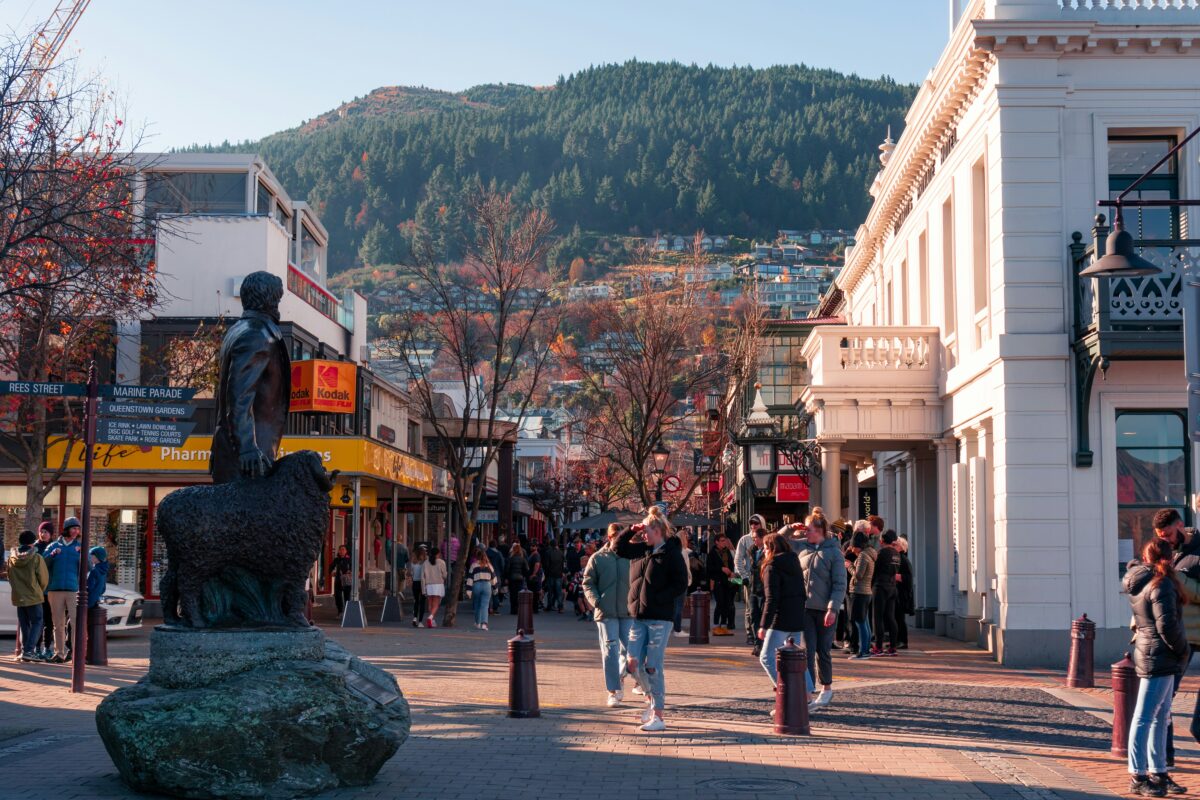
New Zealand often appears near the top of survival conversations because it has one of the rarest advantages on Earth: distance.
Sitting far from major military flashpoints, it avoids the immediate pressure that would surround countries locked inside crowded alliances and conflict zones. Its farmland, fisheries, and relatively small population give it a practical edge if global supply chains break down.
New Zealand is not untouchable, but in a world where geography suddenly matters again, its isolation looks less like an inconvenience and more like protection.
Australia
Australia’s biggest safety advantage is scale. It is a vast island continent with enormous agricultural capacity, energy resources, and distance from many of the world’s most dangerous potential battlefronts.
Even if trade routes became chaotic, Australia would have more room to adapt than many densely populated countries that depend heavily on imported food.
Its major cities could still face cyber threats, economic shocks, and alliance pressure, but the country’s size and resources make it one of the stronger survival candidates in a worst-case global crisis.
Iceland
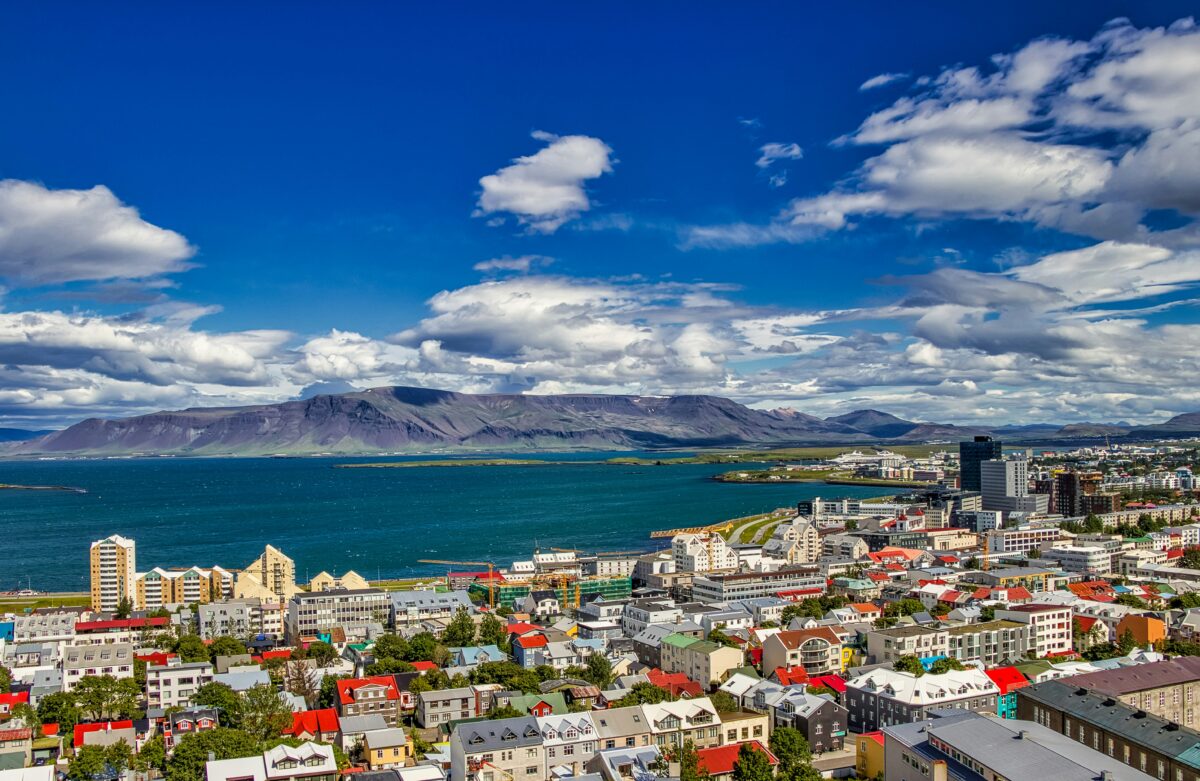
Iceland feels like a country built for distance from chaos. Its North Atlantic location keeps it physically removed from many high-risk conflict corridors, and its small population makes emergency coordination easier than in crowded nations. Iceland also has strong social trust, low crime rates, geothermal energy, and a long-standing reputation for peaceful living. Its NATO ties mean it is not completely outside global security politics, but its remoteness and internal stability give it a rare kind of quiet strength if the world becomes dangerously unstable.
Switzerland
Switzerland is the classic choice people mention when they think of safety during war, and for good reason. Its neutrality, mountainous terrain, strong infrastructure, and deeply organized civil defense culture give it an image few countries can match.
The Alps are not just beautiful scenery; they are natural barriers that have shaped the country’s defense mindset for generations.
Switzerland would still face pressure in a global conflict, especially economic and diplomatic pressure, but its long-standing tradition of preparedness makes it one of Europe’s most serious safe-haven candidates.
Ireland

Ireland has a powerful advantage that is easy to overlook: it is peaceful, wealthy, stable, and not a central military power. Its island geography provides some separation from continental European conflict routes, and its political identity has long leaned toward avoiding aggressive global military involvement.
Ireland would still feel the shock of disrupted trade, energy shortages, and refugee movements, but it would start from a calmer position than many larger countries. In a world where being a major power could become a liability, Ireland’s lower profile may become a shield.
Austria
Austria is in Europe, so it does not enjoy the same level of remote protection as New Zealand or Australia. Still, it has a major advantage in its tradition of neutrality, strong public services, and stable governance. Its central location could put it under pressure during a continental crisis, but its political posture makes it less likely to be seen as an aggressive actor. Austria’s safety would depend heavily on how far a conflict spreads, yet among European countries, it has the kind of disciplined systems and social stability that matter when fear rises.
Portugal
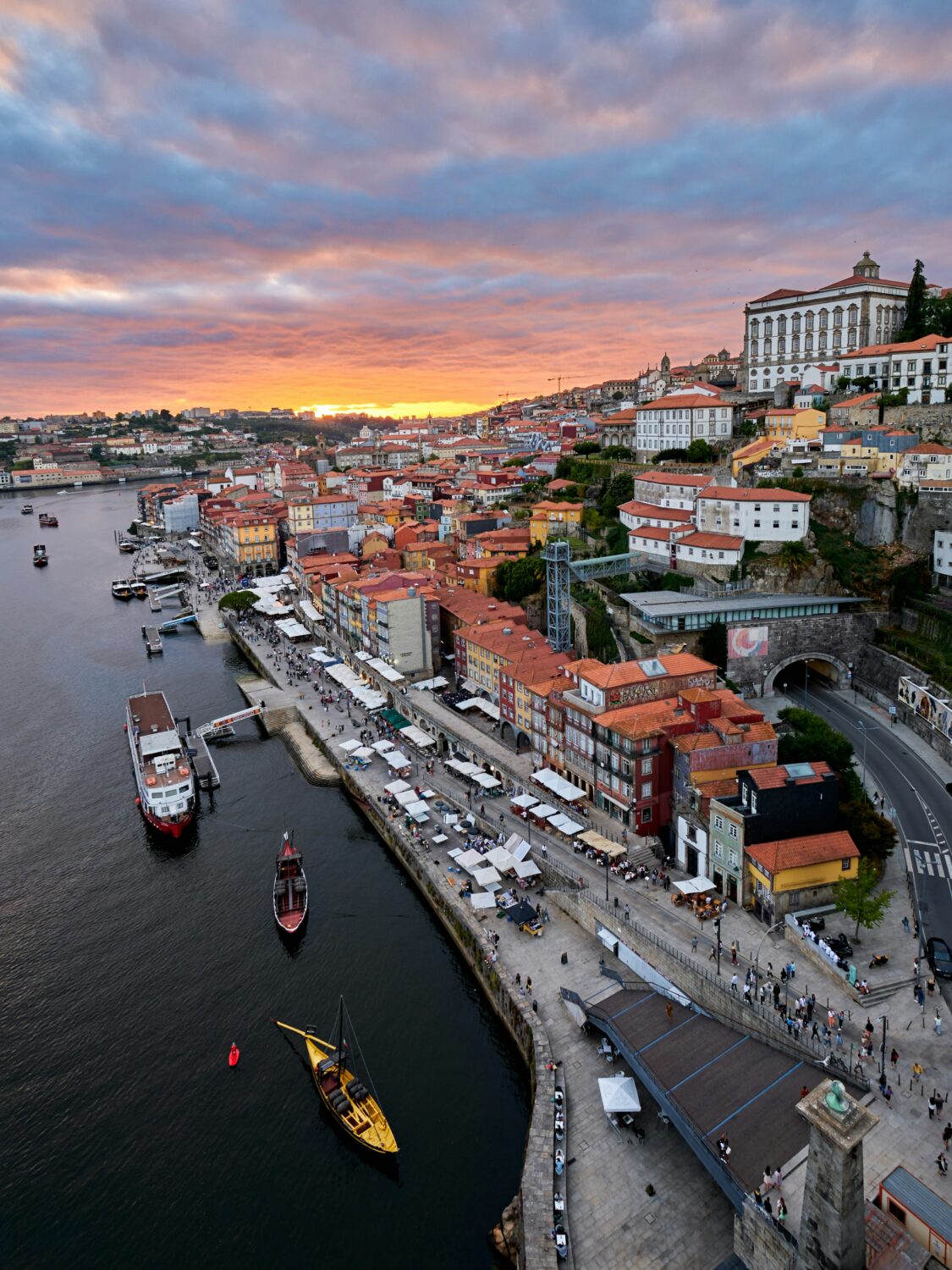
Portugal is not usually the loudest country in global politics, and that may be part of its strength.
It sits on the western edge of Europe, away from many of the continent’s most tense eastern borders. Its Atlantic coastline, moderate climate, and relatively calm political environment make it feel less exposed than countries closer to likely zones of confrontation.
Portugal is still tied to NATO and the European Union, so it would not escape global consequences, but its geography gives it breathing room that many European nations simply do not have.
Costa Rica
Costa Rica stands out for one unusual reason: it abolished its army decades ago and built much of its national identity around peace, diplomacy, and environmental stability.
In a global war scenario, that does not create magical protection, but it does make Costa Rica less likely to be seen as a military target. Its location in Central America keeps it away from many major power rivalries, and its strong tourism and conservation culture reflect a society built more around stability than aggression. Its biggest risks would be economic disruption and regional spillover.
Vanuatu
Vanuatu may not have the wealth or infrastructure of larger safe-haven countries, but its location gives it a very different kind of advantage.
As a Pacific island nation far from major military centers, it could avoid some of the immediate dangers posed by heavily armed regions. Its traditional food systems and local resilience could matter if global trade collapsed.
The challenge is that Vanuatu is vulnerable to natural disasters and has limited resources, making it difficult for people there to seek refuge. Still, in a nuclear winter survival discussion, remote islands cannot be ignored.
Conclusion
The safest country in a world war would not simply be the richest, strongest, or most famous. It would be the place with enough distance, food, stability, social trust, and political restraint to survive the shock without becoming the center of the fight.
That is why remote island nations, neutral European countries, and peaceful low-profile states keep appearing in these conversations. No place can promise comfort in a global disaster, but some places clearly carry fewer obvious risks than others. If World War III ever turned from fear into reality, survival would not belong to the loudest countries. It would belong to the countries that are wise enough, lucky enough, and prepared enough to stay out of the fire.