8 Leftover Mistakes That Could Be Making Your Food Unsafe
Leftovers can feel like a small kitchen victory. They save money, stretch a good meal, and rescue busy weeknights from the chaos of starting dinner from scratch. But the same container of rice, chicken, pasta, soup, or casserole can become risky when handled carelessly. Food safety agencies warn that bacteria grow fastest in the “danger zone” between 40°F and 140°F, which makes time and temperature two of the biggest factors in keeping leftovers safe. Perishable food should generally be refrigerated within 2 hours, and even more quickly when the room or outdoor temperature is very hot.
The tricky part is that unsafe leftovers rarely announce themselves with a dramatic smell or strange color. A dish can look comforting, taste fine, and still carry bacteria that may cause food poisoning. That is why smart leftover habits matter just as much as good cooking. The goal is not to fear yesterday’s meal, but to treat it with the same respect you gave it when it was fresh. These common leftover mistakes could be quietly turning your fridge into a food safety gamble.
Leaving food on the counter for too long

The classic mistake is also one of the most dangerous. Many people finish dinner, relax, chat, wash a few dishes, scroll their phones, and suddenly, the food has been sitting out for half the evening. That warm pot of stew or pan of roasted chicken may still look harmless, but bacteria can multiply quickly once cooked food drops into the danger zone. USDA guidance says hot foods should be kept at 140°F or higher, and leftovers should be chilled quickly in shallow containers after the meal.
This mistake happens even more during holidays, parties, cookouts, and family gatherings. Food sits beautifully on the table, everyone serves themselves slowly, and nobody wants to be the person rushing containers into the fridge. But perishable dishes should not linger for hours at room temperature, especially meat, poultry, seafood, cooked rice, dairy dishes, eggs, casseroles, and creamy salads. The safest habit is simple: eat, serve, and store before the meal turns into a long buffet.
Putting hot leftovers into one deep container

A giant container of soup or a thick pan of lasagna may look efficient, but it can cool too slowly in the refrigerator. The outside chills first, while the center stays warm long enough for bacteria to keep growing. This is especially risky with dense foods like chili, rice dishes, mashed potatoes, stews, casseroles, and large portions of meat. USDA food safety guidance recommends using shallow containers because they help leftovers cool faster and more evenly.
The better move is to divide large batches into smaller portions before refrigerating. A wide, shallow container gives heat somewhere to escape, instead of trapping it in the middle like a cozy blanket for germs. You can also slice large pieces of meat into smaller cuts before storing them. This small step makes leftovers safer, easier to reheat, and more convenient for future meals.
Trusting your nose too much
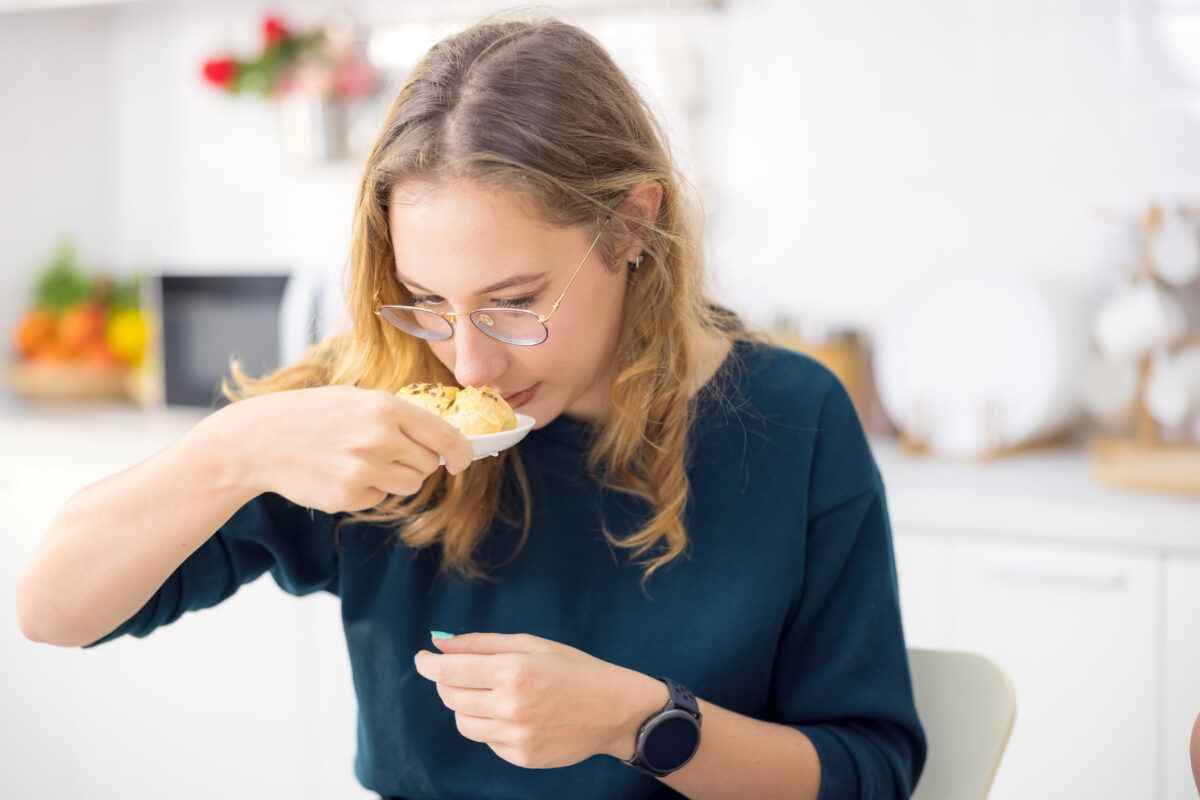
The “smell test” has fooled many careful home cooks. Spoiled food often smells sour, rotten, or unpleasant, but foodborne bacteria do not always create obvious warning signs. A leftover meal can look normal and still be unsafe if it has been stored too long or left at the wrong temperature. That is why food safety experts stress time, temperature, and proper storage instead of guesswork.
This matters because people often use appearance as a form of permission. If the pasta looks fine, they heat it. If the chicken smells okay, they eat it. If the soup tastes normal after one spoonful, they assume everything is safe. The problem is that safety cannot always be judged by your senses, so the smarter rule is to track when the food was cooked and when it was stored.
Keeping leftovers longer than three or four days
Leftovers are not meant to become permanent residents of the refrigerator. Cooked leftovers are generally best used within 3 to 4 days, and the risk of food poisoning increases after that. USDA and Mayo Clinic guidance both point to this same practical timeline for refrigerated leftovers. If you know you will not eat the food soon, freezing it earlier is safer than letting it age in the fridge.
This mistake often starts with good intentions. You save food to avoid waste, then forget it behind milk, condiments, or newer containers. By the time you rediscover it, the container has become a mystery box. Labeling leftovers with the date helps remove the guesswork. A simple strip of tape and a marker can save your stomach from a bad decision.
Reheating leftovers unevenly

Microwaves are convenient, but they can leave cold spots in food. Those cooler pockets may not reach a safe temperature, especially in thick dishes, layered casseroles, rice bowls, and saucy meals. USDA guidance recommends reheating leftovers to 165°F, providing a clear safety target rather than relying solely on steam. Stirring, rotating, covering, and allowing standing time can help heat spread more evenly.
This is where many people confuse “hot enough to eat” with “hot enough to be safe.” A plate can burn your tongue on one side and stay lukewarm in the center. Soups and sauces should come back to a strong, even heat, and solid foods should be checked in the thickest part. A food thermometer may feel fussy at first, but it is one of the easiest tools for making leftovers safer.
Storing leftovers in a fridge that is too warm
Even perfectly packed leftovers can become risky in a refrigerator that runs too warm. The CDC advises keeping refrigerators at 40°F or below and freezers at 0°F or below. The FDA also recommends using an appliance thermometer because built-in refrigerator dials often show settings rather than exact temperatures.
This mistake is sneaky because the fridge may still feel cold. Drinks may chill, butter may firm up, and vegetables may seem fresh enough, but a few degrees can make a difference for perishable foods. Crowding the fridge can also block airflow, making some areas warmer than others. Keep leftovers away from the door when possible, since that area warms up whenever the refrigerator opens.
Mixing old leftovers with fresh food
Adding yesterday’s chicken to a fresh salad or stirring old rice into a new pot of soup can work, but only when the older food is still safe. The danger comes when people use fresh ingredients to “revive” leftovers that are already near the end of their safe storage window. Fresh sauce, herbs, cheese, or vegetables do not reset the clock. The oldest ingredient still controls the safety timeline.
This mistake also creates confusion. Once old and fresh foods are combined, it becomes harder to remember when the dish should be eaten. If Monday’s roasted vegetables go into Wednesday’s pasta, that new pasta dish should not be treated like it started fresh on Wednesday. The safest approach is to use older leftovers first and avoid blending anything that is already questionable.
Refreezing and thawing carelessly
Freezing can extend the life of leftovers, but sloppy thawing can undo the benefit. Leaving frozen leftovers on the counter for hours lets the outside warm into the danger zone while the center remains icy. Safer thawing methods include the refrigerator, cold water with proper attention, or the microwave when you plan to reheat and eat the food right away. Leftovers stored in the freezer stay safe for a long time, but quality is usually better when used within a few months.
Refreezing also needs care. If food has been thawed safely in the refrigerator and has not sat out too long, it may still be safe to refreeze, though texture can suffer. But food thawed on the counter or left warm for too long should not get a second chance in the freezer. Freezing pauses problems; it does not erase unsafe handling.
Conclusion
Leftovers are one of the smartest ways to save time, money, and effort in the kitchen, but they need firm boundaries. The biggest safety risks usually come from everyday habits that feel harmless: leaving food out too long, packing it too deeply, trusting smell alone, keeping it past three or four days, reheating it unevenly, or relying on a fridge that is warmer than it should be. Once you understand those weak spots, leftovers become much easier to manage.
The safest kitchen is not the most complicated one. It is the kitchen where food cools quickly, is stored clearly, is reheated fully, and is tossed when doubt starts whispering. A good meal deserves a good second life, but it should never ask you to gamble with your health. Treat leftovers like fresh food with a deadline, and they will reward you without turning against you.