8 Common Cooking Mistakes That Are Quietly Ruining Your Meals
A meal can look perfectly normal on the plate and still taste like it lost an argument in the kitchen. The chicken feels dry, the vegetables taste flat, the pasta turns sticky, and the sauce somehow lacks the warm, rich flavor you expected. Most people blame the recipe, the ingredients, or even their own cooking skills, but the real problem often hides in tiny habits that happen before the food ever reaches the table.
Cooking is less about fancy tricks and more about timing, heat, patience, and small decisions. One rushed step can dull the flavor of a whole dish. One overcrowded pan can turn crispy food into soft disappointment. The good news is that most meal-ruining mistakes are easy to fix once you know what they are.
Starting with a cold pan
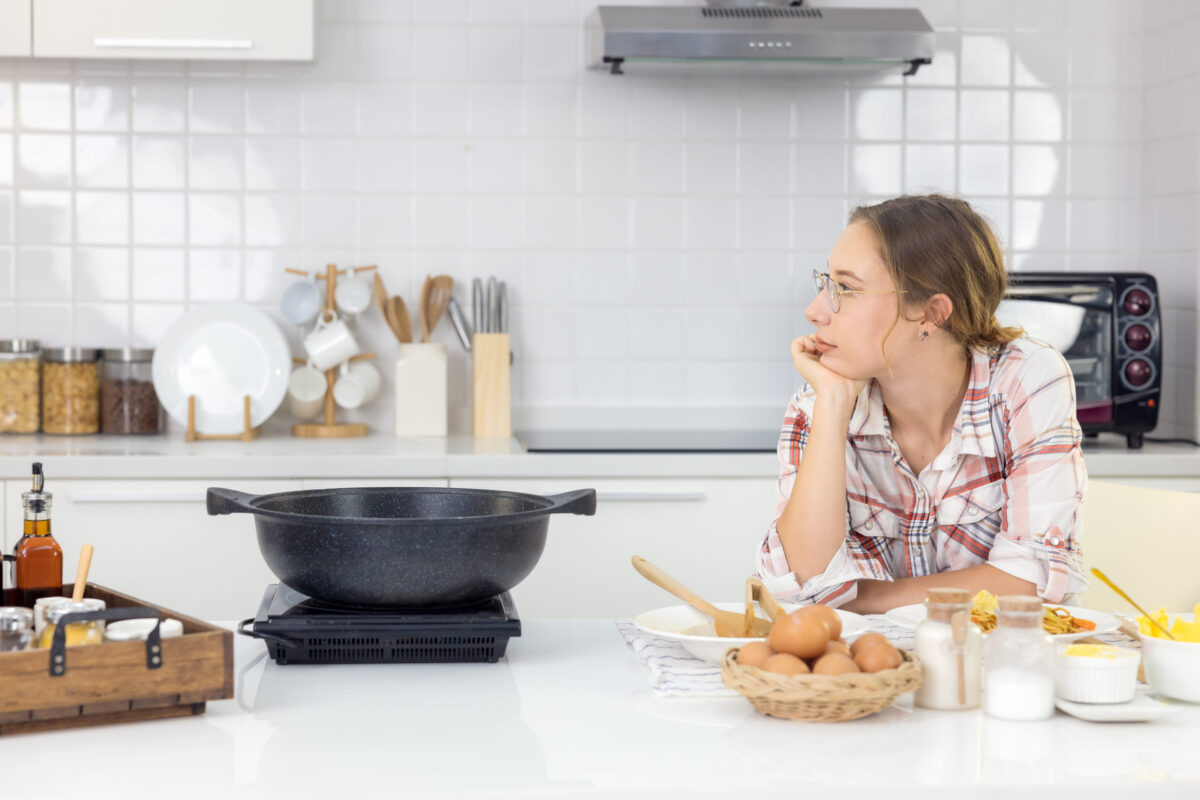
A cold pan can quietly sabotage your food before cooking even begins. When meat, fish, eggs, or vegetables hit a pan that hasn’t heated properly, they start releasing moisture rather than browning. That is why chicken can look pale, mushrooms can turn watery, and eggs can stick like glue. Heat gives food that beautiful first contact, building flavor, texture, and color.
Preheating the pan allows the surface to sear rather than steam. You do not need to blast everything on high heat, but you do need to give the pan time to wake up. A properly heated pan helps oil shimmer, onions sizzle, and proteins form a flavorful crust. That small pause before adding food can make the difference between a dull dinner and a meal that tastes restaurant-worthy.
Overcrowding the pan
Crowding a pan feels efficient, especially when everyone is hungry, and the clock is rude. Sadly, food needs space to cook well. When too many ingredients sit together, they trap steam and lower the pan’s temperature. Instead of browning, they soften, sweat, and turn limp.
This mistake hits vegetables and meat especially hard. Potatoes refuse to crisp, beef strips go gray, and mushrooms shrink into a watery pile. Cooking in batches may feel slower, but it often saves the meal. Give ingredients room to breathe, let moisture escape, and allow each piece to touch the hot surface. The flavor payoff is worth the extra few minutes.
Not seasoning in layers.
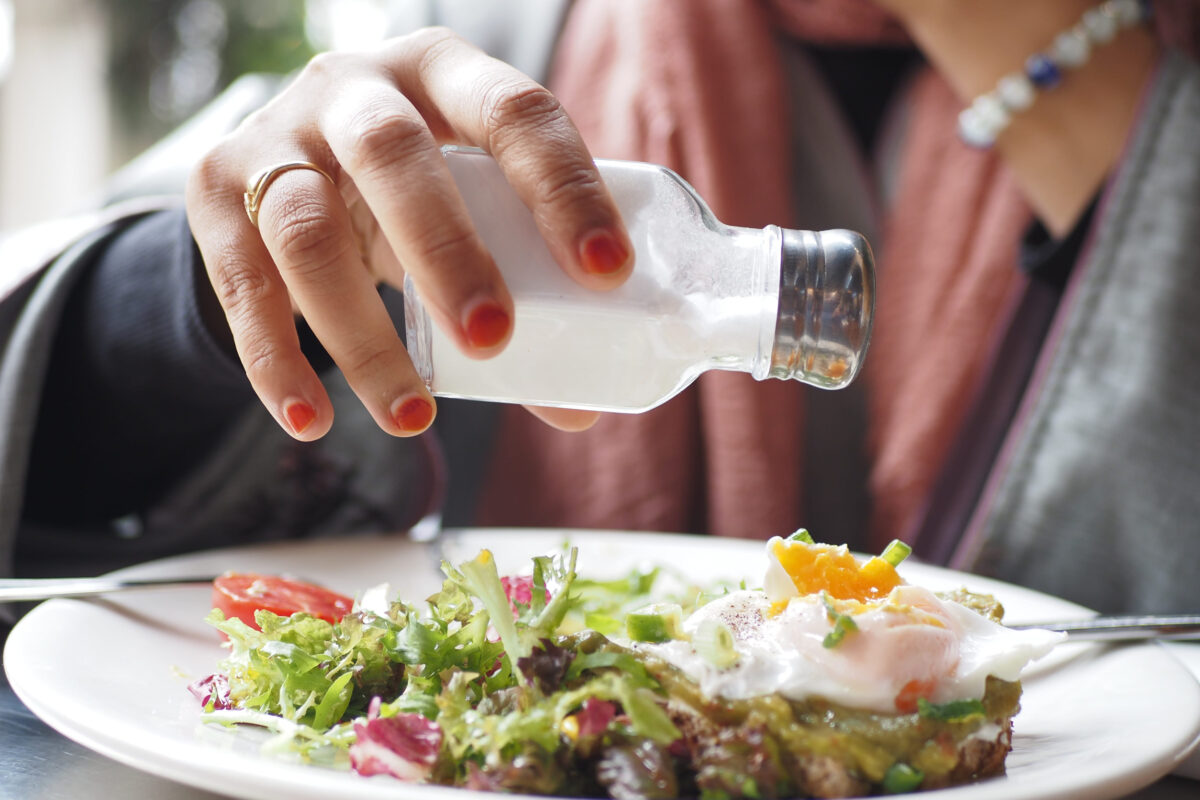
A pinch of salt at the end cannot rescue a dish that tasted bland from the beginning. Many home cooks season only after everything is already cooked, leaving flavor on the surface rather than allowing it to penetrate the food. Salt works best when it joins the process early and continues in small amounts as the dish develops.
Season onions as they soften. Season the meat before it hits the pan. Add a little salt to pasta water, soups, stews, and roasted vegetables as they cook. This does not mean drowning food in salt. It means giving each stage enough flavor to build depth. Layered seasoning creates meals that taste complete, not meals that need desperate fixing at the table.
Stirring too much
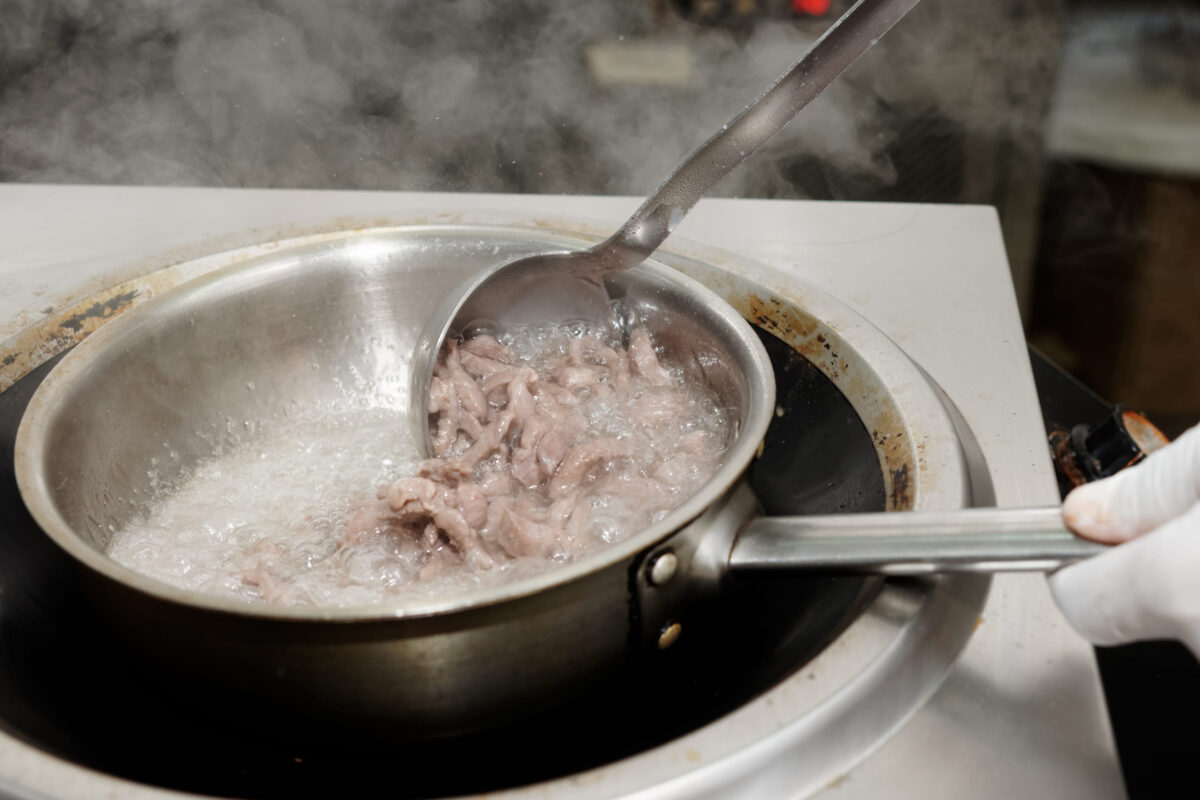
Some foods need attention, but constant stirring can ruin texture. Many people poke, flip, shake, and stir food every few seconds because they fear burning it. That nervous habit stops browning, breaks delicate ingredients, and keeps food from developing flavor. A steak needs stillness. Roasted vegetables need contact with heat. Pancakes need patience.
Let food cook before disturbing it. If something sticks, it may simply need more time to release naturally. Meat often lets go of the pan once a crust forms. Vegetables caramelize better when left alone for a while. Stirring has its place, especially for sauces, risotto, and scrambled eggs, but many dishes improve when you step back and let heat do its job.
Using dull knives
A dull knife does more damage than most people realize. It crushes tomatoes, bruises herbs, tears meat, and makes vegetables uneven. Uneven pieces cook at different speeds, so one bite turns soft while another stays underdone. A dull blade also forces you to apply more pressure, slowing prep and making it more dangerous.
Sharp knives help food cook evenly and look better on the plate. Clean cuts keep herbs brighter, onions neater, and proteins easier to portion. You do not need a professional knife collection. One sharp chef’s knife can transform your prep work. When ingredients start at the same size and shape, they finish with better texture, better flavor, and less kitchen frustration.
Ignoring resting time
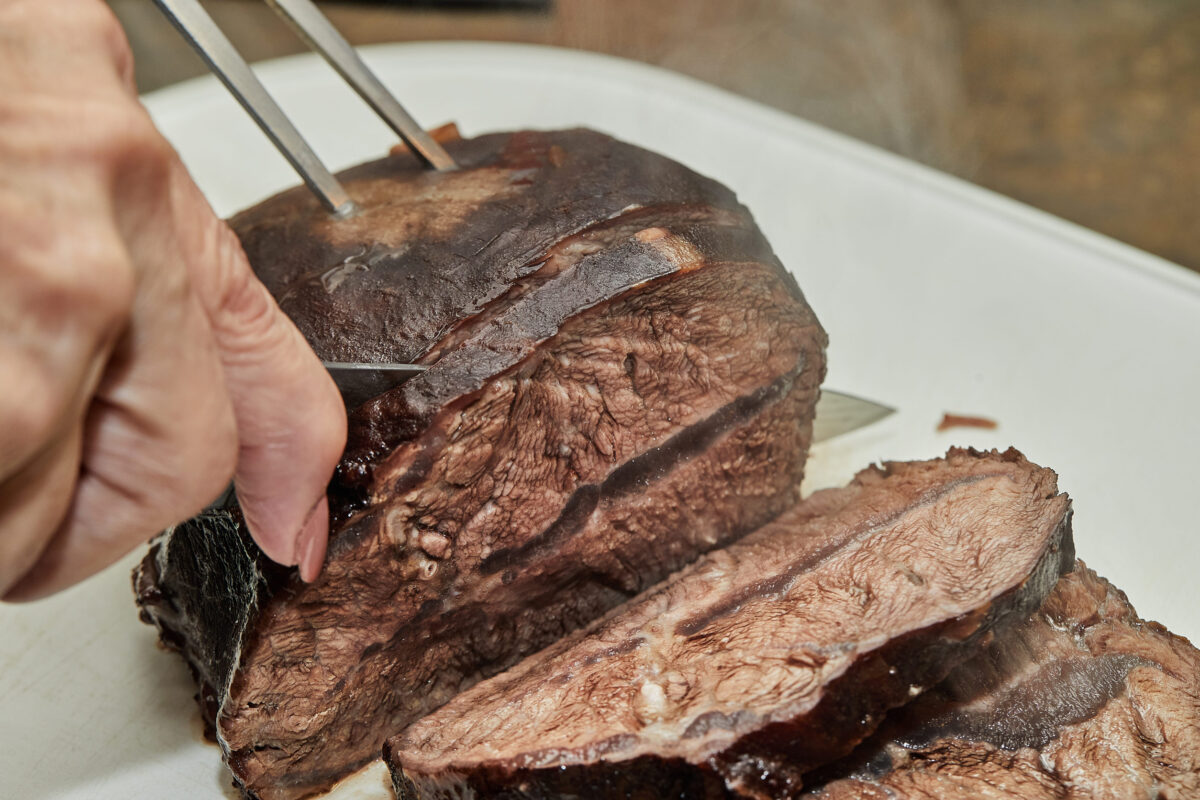
Cutting into meat the second it leaves the heat can drain away the juiciness you worked hard to create. Resting gives juices time to settle back into the meat rather than spilling onto the cutting board. Without that pause, even well-cooked steak, chicken, pork, or turkey can taste dry.
Resting does not need to be complicated. Smaller cuts may take only a few minutes, while larger roasts may take longer. Cover the food loosely so it stays warm without trapping too much steam. This same patience also helps baked goods, casseroles, and lasagna. Letting food settle helps the texture firm up and flavors come together. The meal tastes calmer, richer, and more finished.
Cooking everything on high heat
High heat feels powerful, but it does not solve every cooking problem. It can burn garlic, scorch spices, toughen eggs, dry out meat, and leave vegetables charred outside but raw inside. Many dishes need steady, moderate heat to develop flavor without punishment. Heat should match the food, not your impatience.
Use high heat for searing, quick stir-fries, or crisp edges. Use medium heat for onions, pancakes, grilled cheese, and many proteins. Use low heat for delicate sauces, eggs, and butter, and for slow, even flavor development. Better heat control gives you more command over the final dish. Food should cook with purpose, not survive a fire drill.
Skipping the taste test
The biggest quiet mistake is waiting until the meal is finished before tasting it. A recipe can guide you, but your pot, pan, stove, ingredients, and timing all change the final result. If you never taste along the way, you miss the chance to adjust salt, acid, sweetness, spice, and texture before it is too late.
Taste soups before serving. Taste sauces before pouring. Taste vegetables before calling them done. A splash of lemon can wake up a heavy dish. A pinch of salt can sharpen dull flavors. A bit of butter can soften acidity. Tasting turns you from someone following instructions into someone actually cooking. That habit builds confidence faster than any fancy technique.
Conclusion
Great cooking does not always come from rare ingredients, expensive pans, or complicated recipes. More often, it comes from paying attention to the small habits that shape flavor before anyone takes the first bite. A hot pan, enough space, steady seasoning, proper heat, sharp knives, and a few minutes of patience can lift everyday meals from average to memorable.
The best part is that none of these fixes require perfection. You can start with one habit tonight and notice the difference right away. Let the pan heat properly. Stop crowding the skillet. Taste before serving. Cooking becomes easier when you stop fighting the food and start giving it what it needs. That is when simple meals begin to taste like you meant every bite.