Server Hands Back $5 Tip After Table Runs Up $140 Bill, Igniting New Debate Over Restaurant Tipping
A restaurant server’s reaction to a $5 tip on a $140 bill has reopened one of America’s most emotional dining debates: when does a low tip stop being a personal choice and start feeling like a public insult?
In a TikTok video that drew tens of thousands of views, server Daniel Solis, known online as @woahdaniel, said he served a table of five adults whose bill reached $140. According to Solis, the group required repeated service, including extra sauces and refills, before leaving him $5.
That works out to about 3.6%.
For many diners, tipping is optional. For many servers, it is part of the pay structure that keeps the restaurant floor moving. That tension is exactly why this story spread quickly. It was not just about one bill, one server, or one awkward moment. It became a snapshot of a bigger fight over tip fatigue, restaurant wages, customer frustration, and server dignity.
The $140 Bill and the $5 Tip That Started the Backlash
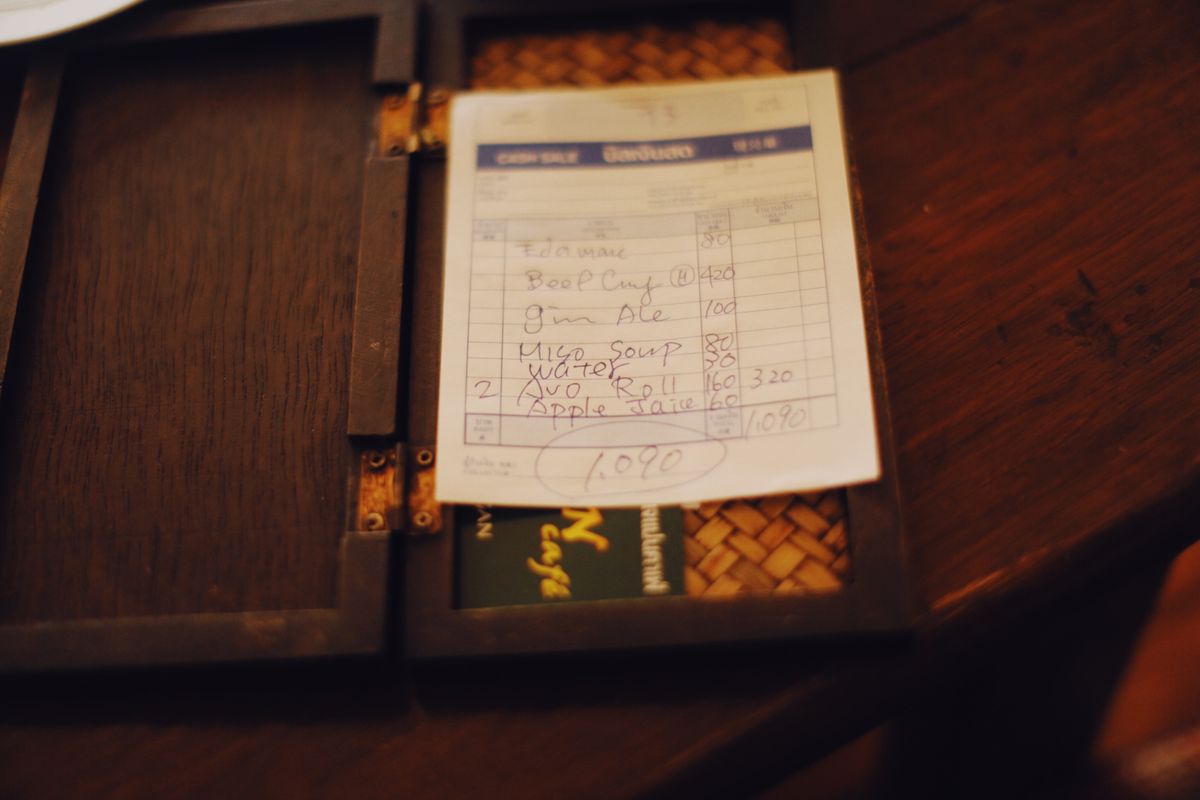
Solis said the table included five people and that one person paid the full bill in cash. At first, he suggested the customer made it seem like no change was needed. Then, according to his account, the customer asked for the change back.
Later, as the group was leaving, Solis said the customer handed him $5.
On a $140 restaurant check, a standard 15% tip would be $21. A more common 20% tip would be $28. For excellent service, a 25% tip would be $35.
So when a table of five leaves $5 total, the message can feel louder than the math. It does not simply say, “We tipped lightly.” To many servers, it says, “Your time, movement, patience, and service were worth one dollar per person.”
Solis said he handed the money back and told the customer he did not need it.
Why a $5 Tip on $140 Feels So Personal to Servers
Restaurant tipping is emotional because it sits at the intersection of labor, money, class, and manners. A guest may see a tip as a small bonus at the end of dinner. A server may see that same tip as the difference between a decent shift and a wasted one.
In this case, the low tip appeared to sting even more because Solis said the table kept him moving back and forth for requests. That detail matters. A quiet table that orders quickly, eats, pays, and leaves is very different from a table that needs repeated refills, sauces, changes, and attention.
Servers do not only carry plates. They manage timing, moods, complaints, substitutions, allergies, side requests, split checks, impatient guests, kitchen delays, and the invisible pressure of keeping multiple tables happy at once.
When a table receives that labor and leaves a tip below 4%, many workers see it as more than a low number. They see it as a judgment.
Tipping Is Optional, but Restaurant Culture Makes It Expected
Legally, a customer is not required to leave a tip unless a restaurant has clearly added an automatic gratuity or service charge. Socially, the rule is different.
In U.S. sit-down restaurants, tipping is deeply baked into the dining experience. Many servers work under a tipped-wage system, where tips are expected to make up a major part of their income. That system is exactly why arguments over tipping become so heated.
The customer sees a final bill. The server sees the whole shift.
The customer may be thinking about rising food prices, service fees, taxes, parking, inflation, and their own budget. The server may be thinking about rent, gas, child care, tip-outs to support staff, and the fact that one bad table can drag down the night.
That is the conflict behind Solis’ viral moment. It was not only about whether $5 is “allowed.” It was about whether it was fair.
Why Tip Fatigue Is Changing Customer Behavior
Many Americans are tired of being asked to tip everywhere. Customers now see tip prompts at coffee counters, bakeries, food trucks, checkout screens, delivery apps, self-service kiosks, and retail settings where tipping used to be rare.
That has created a strong backlash.
Some customers now feel pressured before they even receive service. Others feel that companies are shifting wage responsibility onto them. Many people are frustrated when tablets suggest 20%, 25%, or 30% for simple counter transactions.
But the problem is that anger at tip screens can spill into full-service restaurants, where servers have traditionally depended on gratuities.
That is where the debate gets messy. A customer may be upset at tipping culture as a whole, but the person who feels the immediate impact is often the server standing at the table.
The Server’s Side;“Don’t Go Out If You Can’t Tip”
Solis’ strongest point was simple: if a customer can afford a sit-down restaurant bill, they should budget for the tip too.
That argument is common among restaurant workers. In their view, tipping is not a surprise fee. It is part of the real cost of eating at a full-service restaurant in the United States.
A $140 meal is not really a $140 outing if the guests plan to follow standard tipping expectations. At 20%, the real total becomes $168 before any extra charges. At 18%, it becomes $165.20. At 15%, it becomes $161.
Servers often argue that diners should calculate that before ordering appetizers, drinks, desserts, and extras.
The opposing argument is also common: restaurants should pay workers enough directly, and customers should not be guilted into covering wages. That view has grown louder as consumers face higher menu prices and more digital tip prompts.
Still, under the current system, the server is usually the one who takes the hit when customers protest tipping by leaving almost nothing.
The Customer’s Side; Tips Are Not Mandatory
The strongest customer argument is that tipping should reflect service, not pressure. If service is poor, diners believe they should have the right to reduce the tip. If the restaurant experience disappoints, they may not want to reward it.
Some customers also argue that servers choose tipped jobs and know the risks. Others say the real problem is the restaurant industry’s wage model, not individual diners.
That view is not automatically cruel. Many customers are genuinely tired of feeling responsible for everyone’s paycheck. They are paying more for food, delivery, groceries, and basic living costs.
But the weakness in that argument appears when a group receives full table service, makes repeated requests, and then leaves a tip so low that it reads as a statement.
A low tip can be a response to bad service. It can also be a sign of financial strain. But in server culture, a tip below 10% is often interpreted as a serious complaint.
A tip near 3.6% is almost guaranteed to be taken personally.