Check your kitchen: These six food recalls shoppers should know about this week.
A quick look through the fridge, pantry, or shopping bags could help shoppers spot products affected by recent food safety alerts. From mangoes sold at select Walmart stores to seasonal Halloween candy and frozen chicken products, several recalls and alerts have been announced recently, giving consumers a good reason to check labels before their next meal or snack.
The recalls involve different concerns, including possible contamination, missing allergen information, and products made without proper federal inspection. The good news is that official notices reported no illnesses or injuries at the time of the announcements. Still, agencies are reminding consumers to watch product names, stickers, lot numbers, and package details.
Walmart mango shoppers may want to check their fruit bowls.
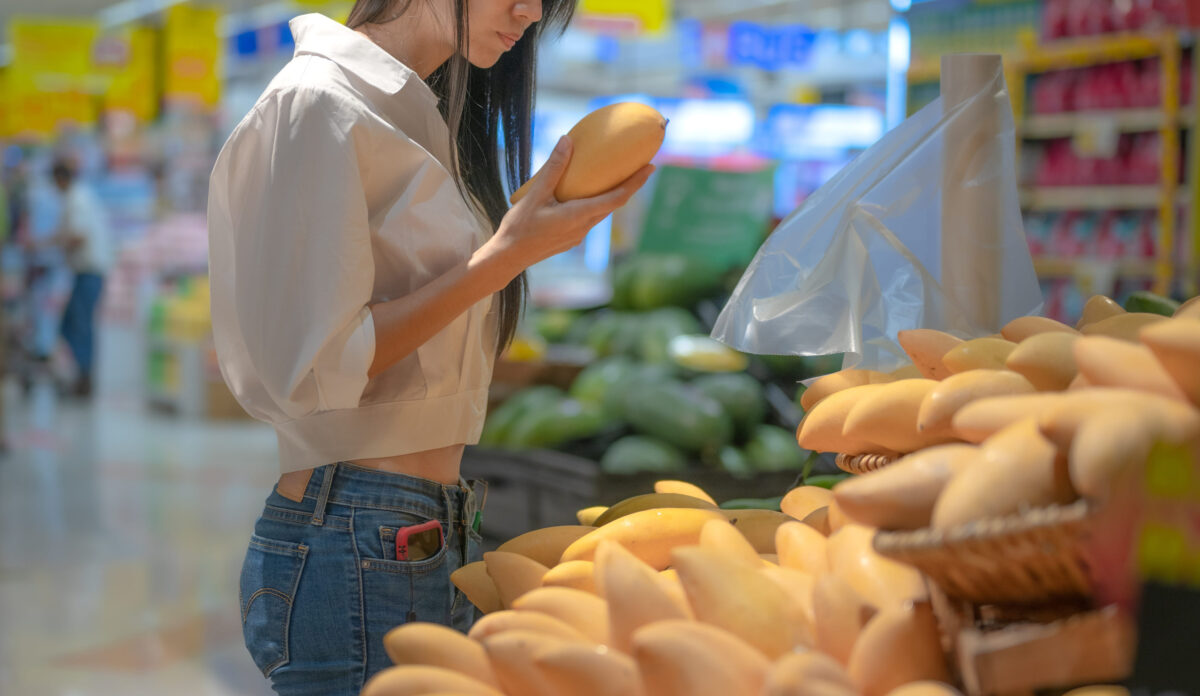
One of the biggest consumer-facing alerts involves Martina-brand mangoes sold at select Walmart stores in four states. Panorama Produce of Mamaroneck, New York, recalled 302 boxes of size 9 mangoes packed in Martina-branded cases after concerns about possible Salmonella contamination.
The affected mangoes were distributed between August 10 and August 21, 2026, at select Walmart locations in Connecticut, New York, New Jersey, and Pennsylvania. Because mangoes are often sold individually, shoppers may not have the original box, so checking the fruit sticker is especially important.
The recalled mangoes can be identified by a light-blue sticker reading “Agrofepac, Produce of Mexico,” along with PLU 4584 and UPC 07503061948050. The FDA said no illnesses had been reported at the time of the announcement and advised consumers not to eat the affected fruit, but instead dispose of it or return it to the place of purchase.
A key detail for shoppers: this recall does not involve all Walmart mangoes. It applies only to specific mangoes sold at select stores in the listed states.
Sprout lovers should check their containers.
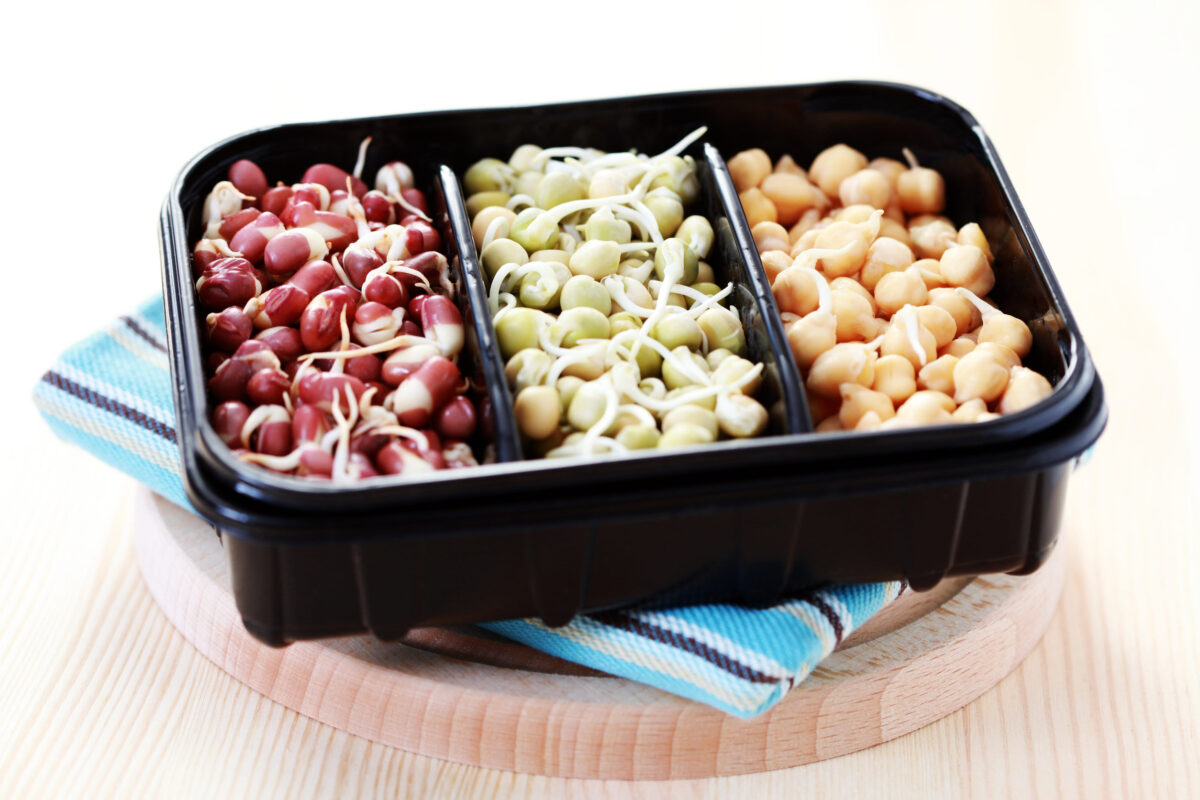
Another recall involves Everything Sprouts LLC’s Robust Radish Mix, sold in 5-ounce cups. The Minneapolis-based company expanded a voluntary recall after concerns about possible contamination with Shiga toxin-producing E. coli (STEC) or Salmonella.
The company distributed the affected products through wholesale distributors and grocery stores in Minnesota and Wisconsin between August 13 and August 26, 2026. Consumers can identify the recalled products by barcode 087906000075 and lot numbers 223, 226, 230, and 233.
The FDA reported that no illnesses had been reported to federal or state agencies as of the announcement. Consumers who have the affected sprout mix should discard it and clean any surfaces or containers that may have come into contact with the product.
For shoppers who regularly buy fresh greens, this is a reminder that packaging details matter. A few seconds spent checking a barcode or lot number can prevent confusion when a recall affects only certain batches.
Frozen Buffalo chicken products recalled after inspection issue.
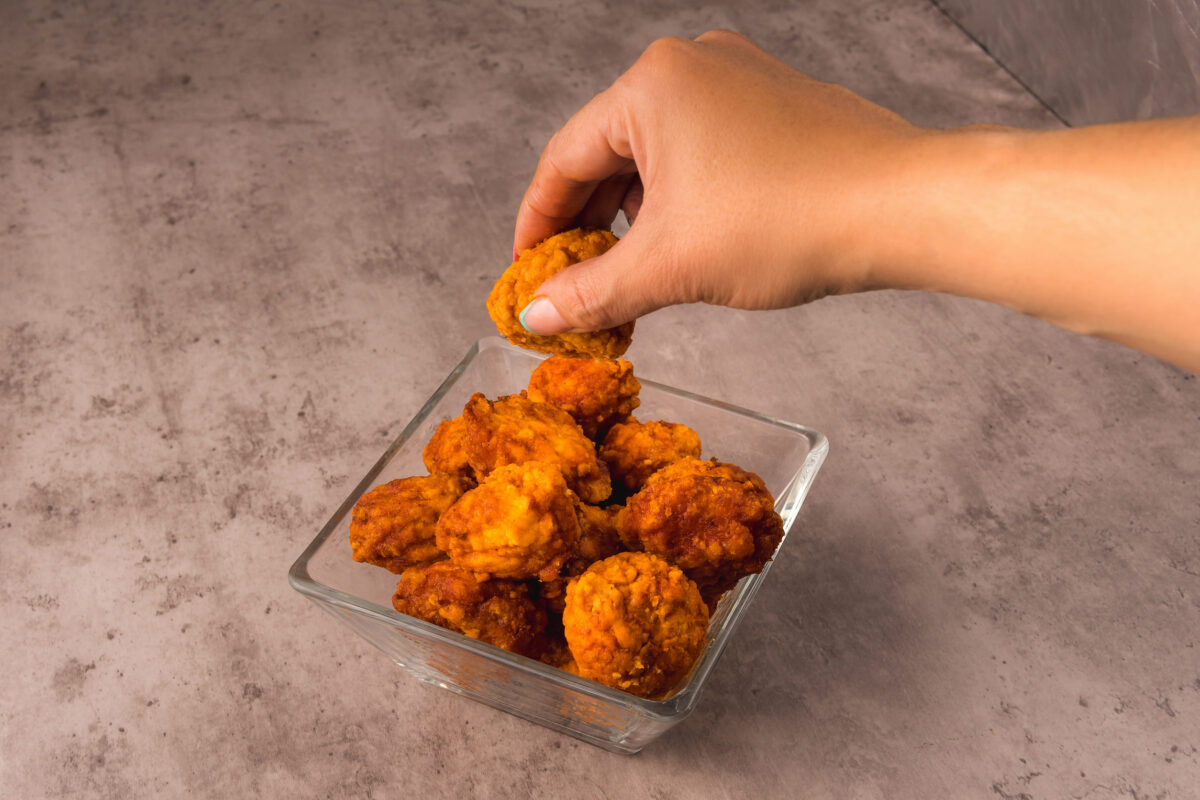
A USDA recall involving frozen Buffalo chicken products has also drawn attention because of its size and classification. Shanghai Ravioli Corporation of Boston recalled approximately 24,900 pounds of frozen, not-ready-to-eat Buffalo chicken products, including Buffalo Chicken Rangoon and Benedetto’s Buffalo Chicken Mozzarella Stick products.
The USDA said the products were produced without federal inspection and carried false inspection marks showing establishment number “EST. 18004,” which did not have a federal grant of inspection. The USDA classified the recall as Class I.
Unlike a typical grocery store recall, these products were distributed to foodservice locations in Maine, Massachusetts, New Hampshire, Rhode Island, and Vermont. That means restaurants, caterers, and other food providers in those areas may need to check their inventory.
Consumers should not assume this was a supermarket product recall. The USDA information specifically identifies foodservice distribution, so the most relevant questions may involve restaurants or institutions that purchased the products.
Halloween candy and olive oil also make the recall list.
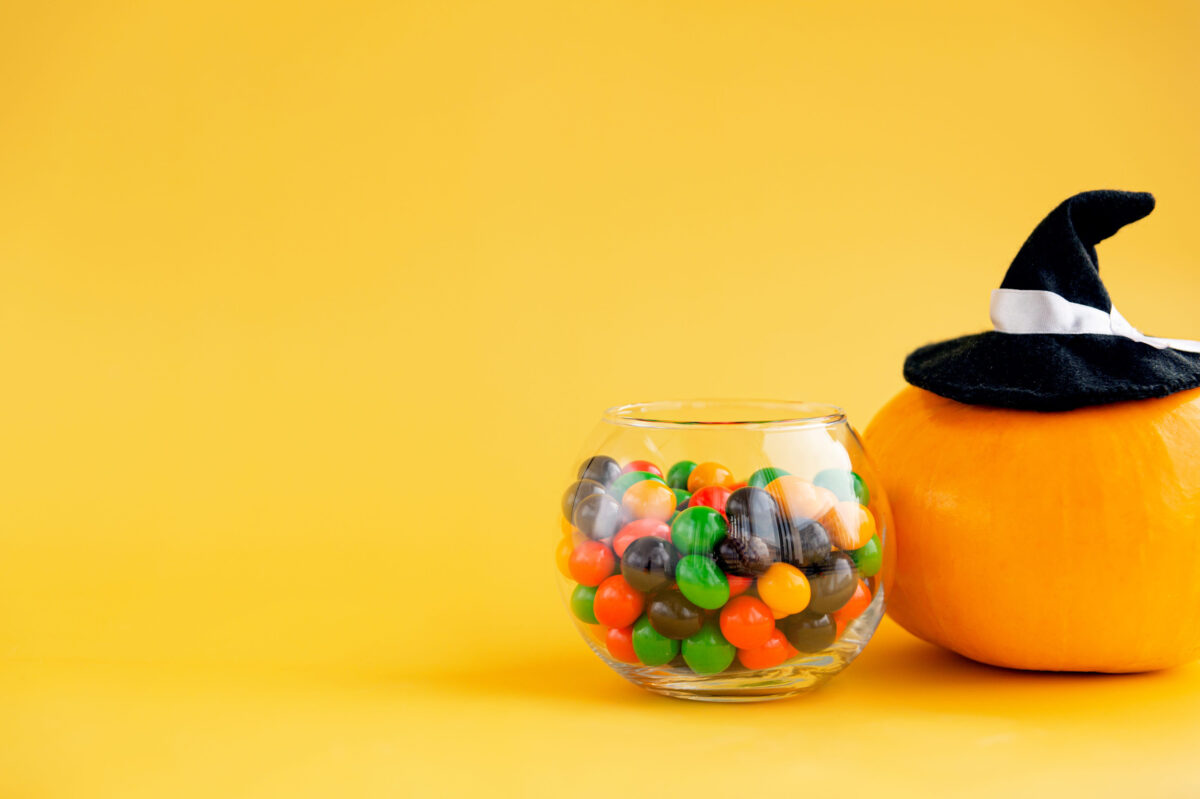
With Halloween approaching, one seasonal product alert involves Crystal Temptations Halloween Chocolatey Eyeballs. The company issued an FDA allergy alert because the product contains whey, a milk ingredient, but the packaging does not declare milk.
The candy was sold through Marshalls, TJ Maxx, HomeGoods, and Sierra Trading Post locations across 13 states, including Arizona, Texas, California, New Jersey, and Ohio. The recalled packages come in several sizes, including 7-ounce, 10-ounce, 10.5-ounce, 11-ounce, and 16-ounce versions.
The FDA said no illnesses had been reported at the time of the alert. Consumers who purchased the recalled candy should destroy the product and contact Crystal Temptations with proof of purchase for refund information.
Another unusual recall involves Kofinas Garlic Mediterranean Infused Extra Virgin Olive Oil from LMSI LLC in Cincinnati. The company recalled the product because it was made using garlic essential oil that was not approved for culinary use.
The olive oil was sold in 100 mL, 250 mL, and 500 mL glass bottles through Cincinnati-area stores and online sales through Kofinas Olive Oil’s website. The notice reported no illnesses.
A final label check can save shoppers trouble.
Food recalls can feel overwhelming when several appear close together, but most consumer actions are simple: check the product name, compare package details, and follow instructions from official agencies.
The most important thing shoppers can remember is that recalls usually apply to specific products, sizes, batches, or locations. A recall notice does not automatically mean every version of a product is affected.
Before tossing everything in the kitchen, take a minute to match the details. A quick label check is often the easiest way to know whether a recall actually affects what is sitting in the fridge, freezer, or pantry.