Trump’s Reflecting Pool controversy grows as a landmark renovation turns into a federal accountability fight.
The Lincoln Memorial Reflecting Pool was designed to mirror America’s most powerful symbols. In 2026, the famous landmark reflected something very different: a dispute over government contracts, construction failures, criminal charges and a rare public disagreement between President Donald Trump and his own Justice Department.
What began as a high-profile renovation project meant to restore one of Washington’s most recognizable landmarks has become a complicated political and legal controversy. The centerpiece of the dispute is not only the peeling surface, algae problems or the millions spent on repairs. It is also the question of how a federal project moved from a celebration of national pride to a criminal investigation against an Olympic athlete who prosecutors later acknowledged may not have caused the damage they originally alleged.
The Justice Department moved to dismiss the felony case against David “Davey” Hearn, a former Olympic canoeist accused of damaging the newly renovated Reflecting Pool. Prosecutors said additional records from the Interior Department revealed that widespread problems were connected to installation failures and rushed construction work rather than a single act of vandalism.
The decision created an unusual split. Trump continued to argue that vandals caused the damage, while prosecutors from his administration concluded that the evidence no longer supported the original criminal case.
The controversy now represents a much bigger question: How did a project intended to showcase American history become a test of government accountability?
The Reflecting Pool was built to symbolize unity, not controversy.

Few public spaces in America carry the symbolic weight of the Lincoln Memorial Reflecting Pool. Its latest controversy has turned a historic landmark into the center of a national debate.
Stretching between the Lincoln Memorial and the Washington Monument, the Reflecting Pool has long served as one of the most recognizable landscapes in the United States.
The pool has witnessed some of the country’s most significant moments. It stood before the Lincoln Memorial during the 1963 March on Washington, where Martin Luther King Jr. delivered his “I Have a Dream” speech. Millions of visitors have photographed the monuments reflected across its surface, making the area one of the most iconic locations on the National Mall.
That history explains why even small changes to the pool attract attention.
The renovation became controversial before the damage appeared because officials changed the basin’s traditional appearance. The darker surface that visitors had known for decades was replaced with a brighter blue material that supporters described as a cleaner and more patriotic look.
However, preservation advocates argued that the original appearance served an architectural purpose. The darker basin helped create the illusion of depth and enhanced the reflection of the monuments above the water.
The debate over appearance eventually became overshadowed by a much larger issue: whether the renovation itself had failed.
A nearly $15 million renovation became a national controversy.
A project designed to modernize a historic landmark quickly became a debate over cost, deadlines and government decision-making.
The Reflecting Pool renovation was connected to President Trump’s broader effort to improve public spaces before America’s 250th anniversary celebrations.
Officials wanted the area to appear refreshed and ready for major national events. The project moved forward on an accelerated schedule, but problems emerged soon after completion.
Federal contract records show Atlantic Industrial Coatings received a contract worth millions of dollars for the resurfacing work. The project was awarded through a sole-source process, meaning officials moved forward without a traditional competitive bidding process.
Supporters of the approach argued that speed was necessary because of the approaching anniversary celebrations. Critics questioned whether the need for urgency reduced the time available for testing, review, and quality control.
The problems appeared quickly.
The pool experienced algae growth, water-quality issues and sections of material separating from the surface. Workers attempted multiple solutions, including cleaning treatments and additional maintenance efforts, but visible defects continued.
The same project that was supposed to represent restoration became associated with repeated closures and expensive repairs.
The blue surface debate started before the criminal case.
The Reflecting Pool controversy did not begin with an arrest. It began with a design decision that divided preservation experts and government officials.
For supporters of the renovation, the blue surface represented a cleaner, brighter appearance for a landmark preparing for a historic anniversary.
For critics, the change altered a landscape where every visual element had meaning.
Preservation groups argued that the Reflecting Pool was not simply a body of water. Its design was connected to the surrounding memorial landscape, where reflections, shadows and color played an important role in the visitor experience.
The dispute highlighted a recurring challenge in maintaining historic sites: balancing modernization with preservation.
Government agencies often face pressure to make public spaces more accessible, attractive, and durable. However, historic landmarks are also protected because their original designs carry cultural and emotional significance.
The Reflecting Pool renovation became a case study in how even a visual improvement can create controversy when it involves a nationally recognized symbol.
How a construction problem became a felony case
The most dramatic turn came when a renovation dispute became a criminal prosecution against a former Olympic athlete.
David “Davey” Hearn became the face of the vandalism allegations after officials accused him of damaging the pool’s new lining.
Hearn, a three-time Olympic canoeist, was accused of pulling at sections of the material during a June 2026 incident. Prosecutors initially argued that his actions caused enough damage to justify a felony destruction-of-property charge.
The case attracted national attention because the accusation involved a historic federal landmark.
However, prosecutors later reviewed additional documents from the Interior Department that changed their assessment.
According to the Justice Department’s filing, those records showed that the pool had already experienced significant problems related to installation and construction issues. The widespread deterioration made it difficult for prosecutors to prove that one person was responsible for the larger failure.
The legal question became more complicated.
A person touching damaged material is not automatically responsible for every problem surrounding that material. Prosecutors must establish a direct connection between an individual’s actions and the specific damage claimed.
That connection became harder to prove after officials learned more about the condition of the project itself.
From Olympic athlete to accused vandal: David Hearn’s unusual legal battle
A man known for athletic achievement suddenly found himself at the center of a national controversy over a damaged monument.
Before the Reflecting Pool case, David Hearn was recognized primarily for his career in canoe slalom.
He competed internationally, represented the United States at three Olympic Games and built a reputation in the sport through competition and technical innovation.
The vandalism accusation changed that public image almost overnight.
Instead of being discussed for his athletic achievements, Hearn became known through allegations involving one of the country’s most famous landmarks.
His legal team argued that the government’s case ignored the pool’s broader condition and unfairly connected him to damage that existed beyond the specific incident.
After prosecutors requested dismissal of the indictment, Hearn’s attorneys argued that the case damaged his reputation and should never have progressed as far as it did.
The situation highlights how quickly criminal allegations can transform public perception, even when prosecutors later reconsider the evidence.
Trump rejects DOJ conclusion in unusual administration dispute.
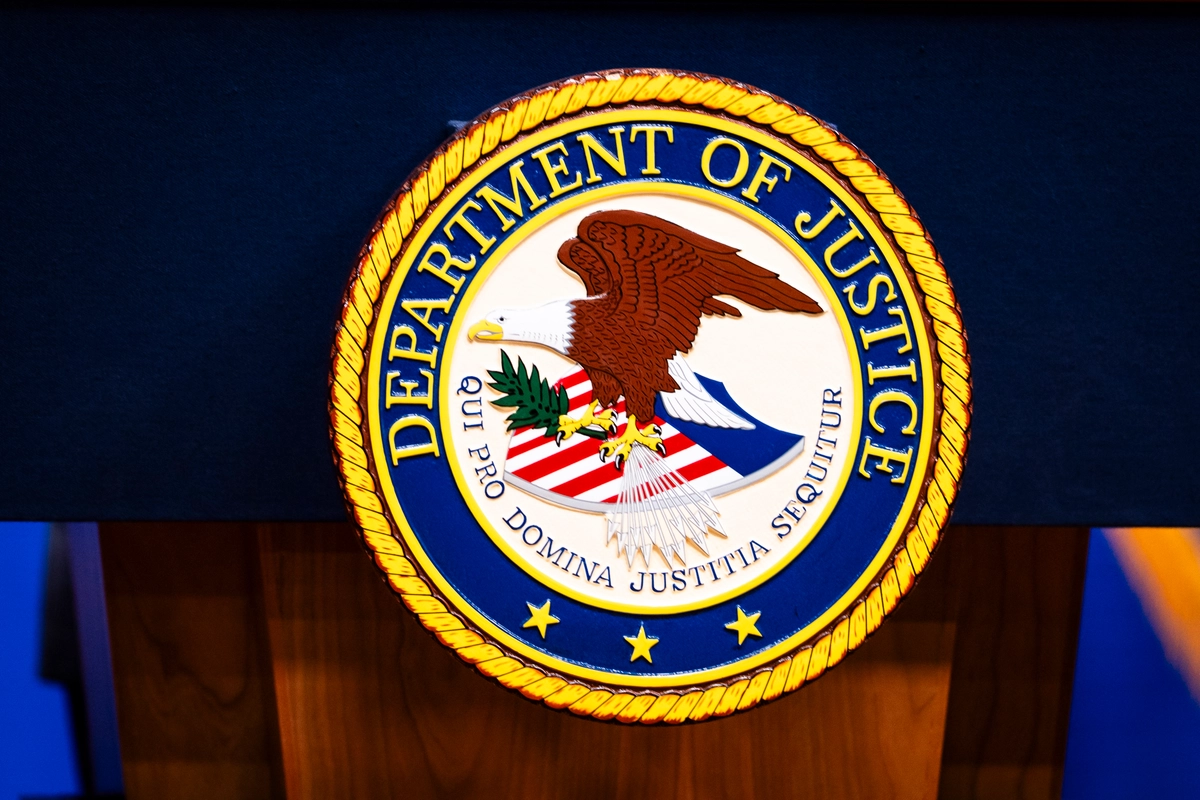
The Reflecting Pool case created a rare public disagreement between President Trump and prosecutors serving under his administration.
After the Justice Department moved to dismiss the case, Trump publicly rejected the decision.
The president maintained that the incident represented deliberate vandalism and criticized the conclusion reached by U.S. Attorney Jeanine Pirro’s office.
However, prosecutors argued that their responsibility was to pursue cases supported by evidence that could survive in court.
The disagreement exposed a broader tension between political messaging and prosecutorial judgment.
Presidents often appoint Justice Department leaders who share their priorities, but prosecutors are expected to make legal decisions based on evidence rather than political pressure.
The Reflecting Pool dispute placed that relationship under unusual public scrutiny.
Questions remain about contracts, oversight and taxpayer costs.
The biggest unanswered issue may not be who touched the pool, but how the project reached this point.
The dismissal of the criminal case does not resolve several important questions.
Officials still must address:
- Who is responsible for repairing the failed installation?
- Will taxpayers cover additional repair costs?
- Did the accelerated timeline affect construction quality?
- Were enough inspections completed before the pool reopened?
- Will contractors face financial consequences?
The project was intended to demonstrate efficiency and renewal. Instead, it has raised questions about whether political deadlines can create risks when applied to complex construction projects.
Government projects often involve competing priorities. Leaders want visible results, communities want improvements completed quickly, and engineers require time for testing and quality control.
The Reflecting Pool controversy shows what happens when those priorities collide.
The Reflecting Pool now represents a larger government accountability debate.
A landmark built to reflect America’s history has become a symbol of a very modern question: who takes responsibility when a public project fails?
The controversy is no longer only about blue material, algae or a single criminal allegation.
It is about how federal agencies communicate information, how construction decisions are made and how quickly responsibility is assigned when something goes wrong.
The Lincoln Memorial Reflecting Pool was created as a place of reflection. In 2026, it has become a place of investigation, disagreement and debate.
The final chapter has not yet been written.
The repairs, financial consequences and unanswered questions surrounding the project will determine whether the Reflecting Pool becomes remembered as a successful restoration effort or as one of the most unusual government project failures in recent memory.